Packaging blog
Retail Packaging Materials Compared for Growing Brands
How paperboard, corrugated, rigid greyboard, laminated film and moulded pulp actually differ on strength, print quality, cost and end of life.
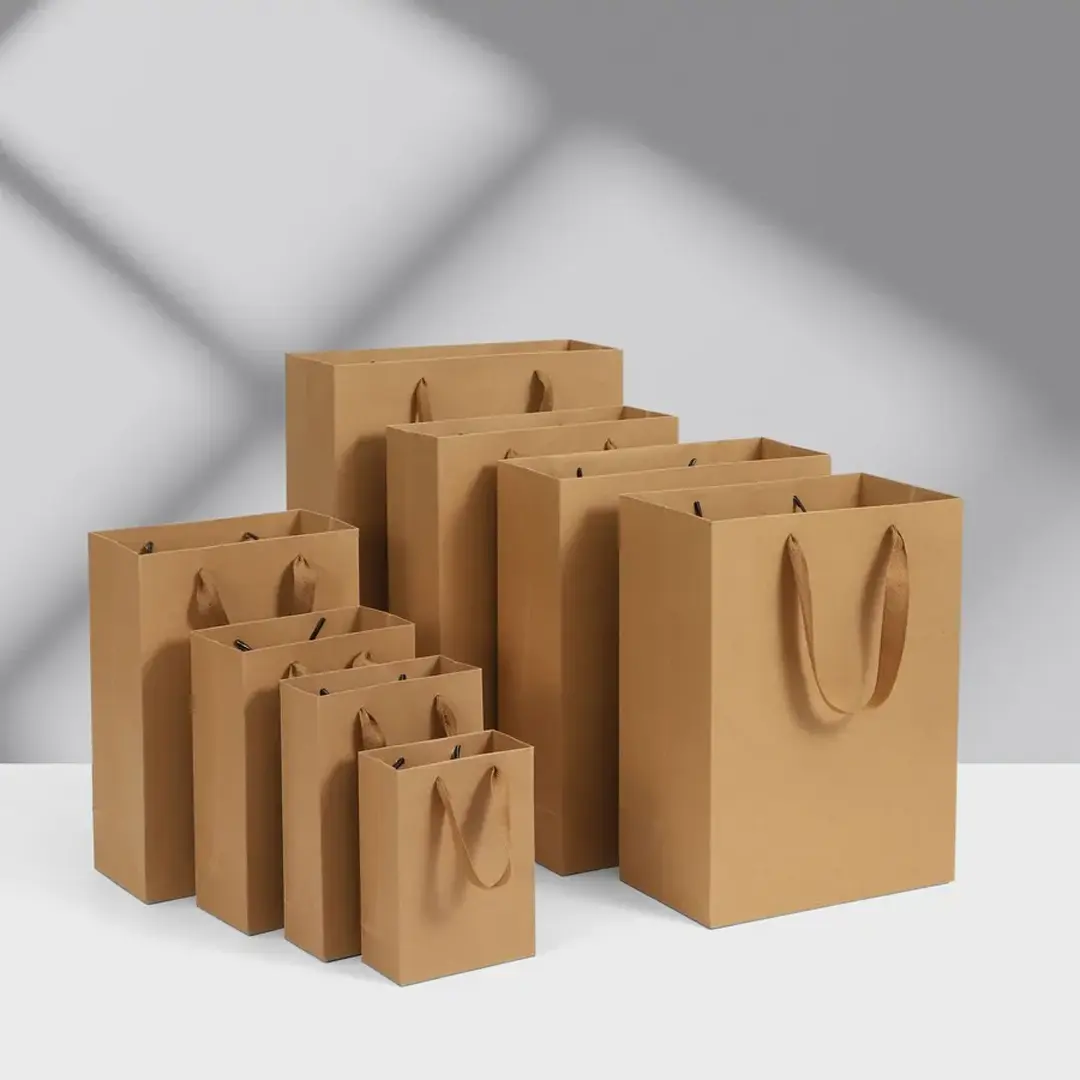
Material choice gets treated as a styling decision far more often than it deserves. In practice it is a structural and commercial one, and the brands that get it wrong usually do so by choosing a substrate that looks right in a mood board and behaves badly in a warehouse.
What follows is how the main packaging substrates actually differ, including where each one disappoints.
Solid bleached sulphate board
SBS is the white, coated paperboard behind most cosmetic cartons, confectionery boxes and small retail packaging. It is smooth, takes ink cleanly, and holds fine detail better than any other paper-based substrate.
Thickness is quoted in points. 12pt suits light products, 14pt to 16pt covers most retail cartons, and 18pt is where you go for weight or for a pack customers pick up repeatedly. Above that, folding becomes unreliable and corrugated makes more sense.
Its weakness is cost and environmental positioning. SBS is virgin fibre, and while it is widely recyclable, it does not carry recycled content unless you specifically order a recycled grade.
Kraft board
Kraft is unbleached, which is where both its appeal and its problems come from. The natural brown surface reads as honest and unfussy, and it suits brands positioning around craft or sustainability.
The catch is printing. Kraft absorbs ink and shifts colour. A blue printed on kraft comes out muted and slightly warm compared with the same blue on SBS, and white cannot be printed onto kraft at all without an opaque white underbase, which adds cost. Brands with a precise colour standard find kraft frustrating.
Kraft also absorbs moisture. In a humid warehouse an uncoated kraft carton loses rigidity over weeks, which matters more in Florida or Houston than in Denver.
Corrugated board
Corrugated is a fluted layer sandwiched between liners, and the flute size determines its behaviour.
E-flute is around 1.5 mm thick, prints reasonably well and suits retail-facing shipping boxes and mailers. B-flute is thicker and takes more abuse. BC double-wall combines two flutes and is what you specify when contents pass roughly twenty pounds or when boxes will be stacked several high on a pallet.
Corrugated printed by flexography holds solid colours and line work but struggles with fine gradients and photography. If you need photographic quality on corrugated, litho-lamination prints a paper sheet offset and bonds it to the board — better results, higher cost.
Rigid greyboard
Rigid boxes are built from thick greyboard, typically 1.5 mm to 2 mm, wrapped in a printed or specialty paper. They do not fold flat, they are assembled by hand, and they cost several times what an equivalent folding carton costs.
What you are buying is perceived value. A rigid box has weight and resistance when the lid lifts, and that physical experience does more for a premium positioning than any printed detail. Jewellery, watches, premium electronics and limited editions are where the spend is justified.
The practical downsides are lead time and freight. Hand assembly takes longer, and because rigid boxes ship pre-formed rather than flat, they take substantially more freight volume than a carton of the same finished size.
Laminated barrier film
Pouches and flexible packs are built from multiple film layers bonded together, with each layer doing a job. The outer layer carries print, a middle layer provides the oxygen or moisture barrier, and the inner layer is food-safe and heat-sealable.
Film is unbeatable on freight economics. A pouch weighs a fraction of a rigid alternative and takes almost no volume flat. For coffee, snacks, supplements and pet treats it is usually the correct answer.
The environmental position is more complicated. Multi-layer laminates are difficult to recycle because the layers cannot easily be separated. Recyclable mono-material polyethylene structures now exist and are improving, but they behave differently on filling lines, so a brand switching a live product should run a trial rather than changing the whole SKU at once.
Moulded pulp
Moulded pulp is formed from recycled paper slurry pressed into a shape. It is what you find protecting electronics and eggs, and it has become more common as brands move away from expanded polystyrene.
It is genuinely recyclable and often made from post-consumer waste, which gives it a strong environmental story. It also absorbs impact well.
Its limitations are cosmetic and dimensional. Moulded pulp has a rough surface, poor print quality, and looser tolerances than die-cut board. For a visible presentation layer it is rarely the right choice; for a hidden protective one it often is.
Comparing the trade-offs
| Material | Strength | Print quality | Relative cost | Ships flat |
|---|---|---|---|---|
| SBS paperboard | Light to medium | Excellent | Low to medium | Yes |
| Kraft board | Light to medium | Fair, colour shifts | Low | Yes |
| E-flute corrugated | Medium | Good | Low to medium | Yes |
| BC double-wall | High | Fair | Medium | Yes |
| Rigid greyboard | High, non-collapsing | Excellent on wrap | High | No |
| Laminated film | Flexible, sealed | Excellent | Medium | Yes |
| Moulded pulp | Impact absorbing | Poor | Medium | No |
Where brands most often choose wrong
The recurring mistake is under-specifying board to save a few cents per unit and then paying it back in damage claims. A carton that arrives crushed costs you the product, the replacement shipping and the customer, which is a poor trade against a cheaper board grade.
The second mistake is choosing kraft for a brand whose identity depends on an exact colour. The material and the brand pull against each other, and the material always wins.
The third is treating recyclability as binary. Recycled content, kerbside recyclability and certified compostability are three separate claims with separate evidence requirements, and brands that blur them invite complaints. Our guide to sustainable packaging material choices sets out what each claim actually requires.
How to decide
Weigh the product. Establish how it travels. Decide whether the pack is protective, presentational, or both. Then pick the lightest material that survives the journey with margin, and spend whatever is left on print and finish rather than on board you do not need.
For brands still narrowing the format, comparing folding carton and rigid box construction side by side usually settles the material question at the same time, because the two decisions are more entangled than they first appear.