
Min. 100 units · 3–5 days
16 made-to-order formats
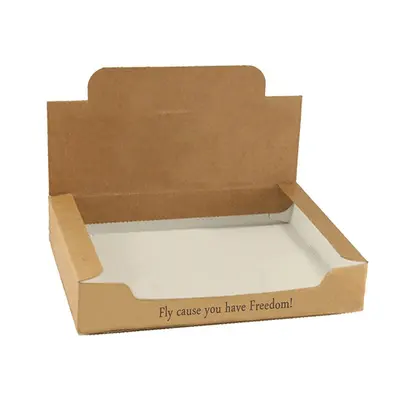
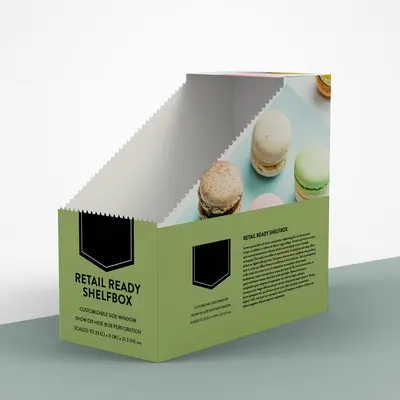
A shelf-ready case is asked to do two jobs that pull against each other: hold together through distribution, then tear open cleanly into a display. The perforation is where that tension lives.

Too weak and the case opens in transit. Too strong and store staff tear it badly, leaving a display that looks damaged on day one. There is a narrow window between those, and it is decided at dieline stage rather than in print.
We recommend a physical sample on display work more often than on any other format, because the tear is something you have to feel rather than approve on screen.
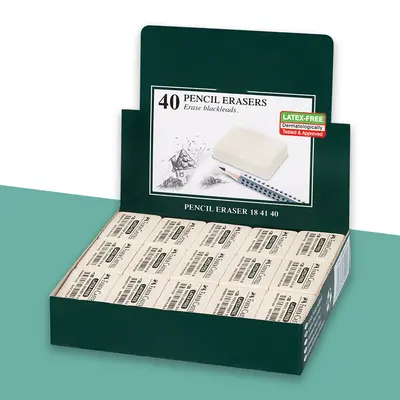
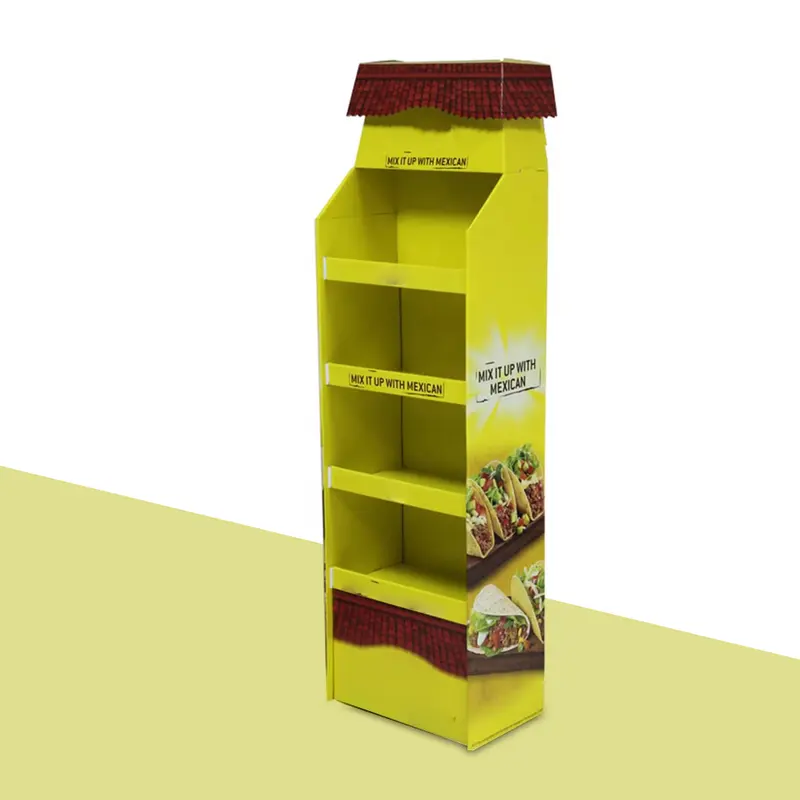
A display unit is judged empty in the studio and loaded in the store. The base and the front lip carry the weight of a full facing, and that is where units fail — bowing at the base or splaying at the front.
Send the weight of a full facing rather than the weight of one unit. We grade the board and add reinforcement where the load actually sits.
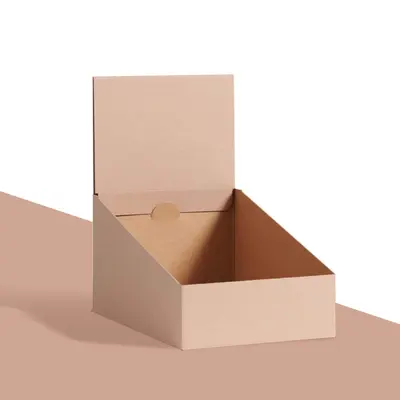
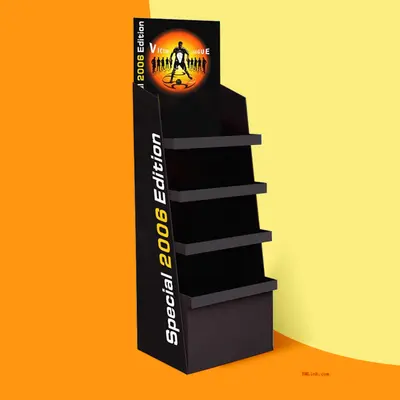
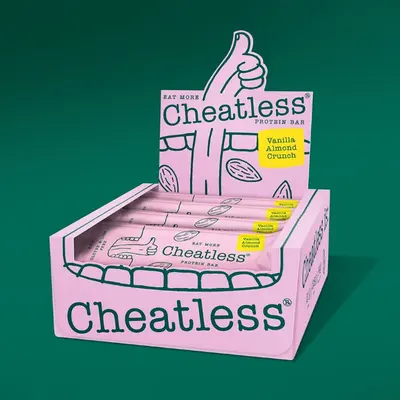
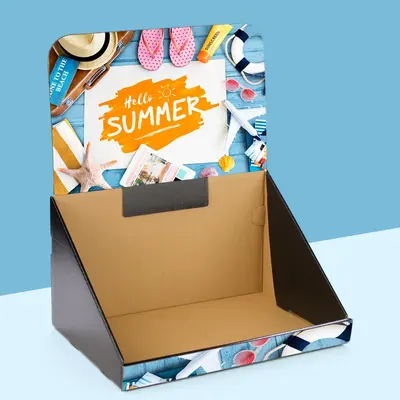
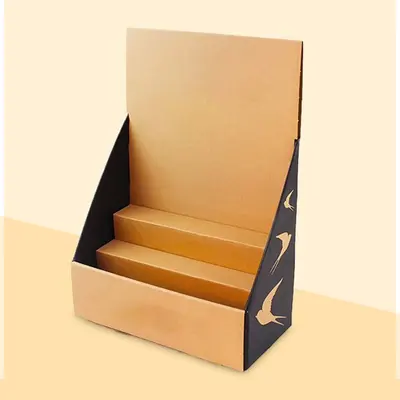
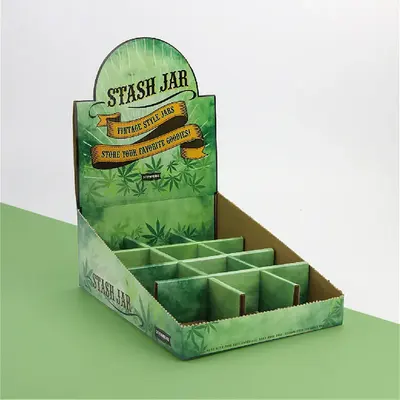
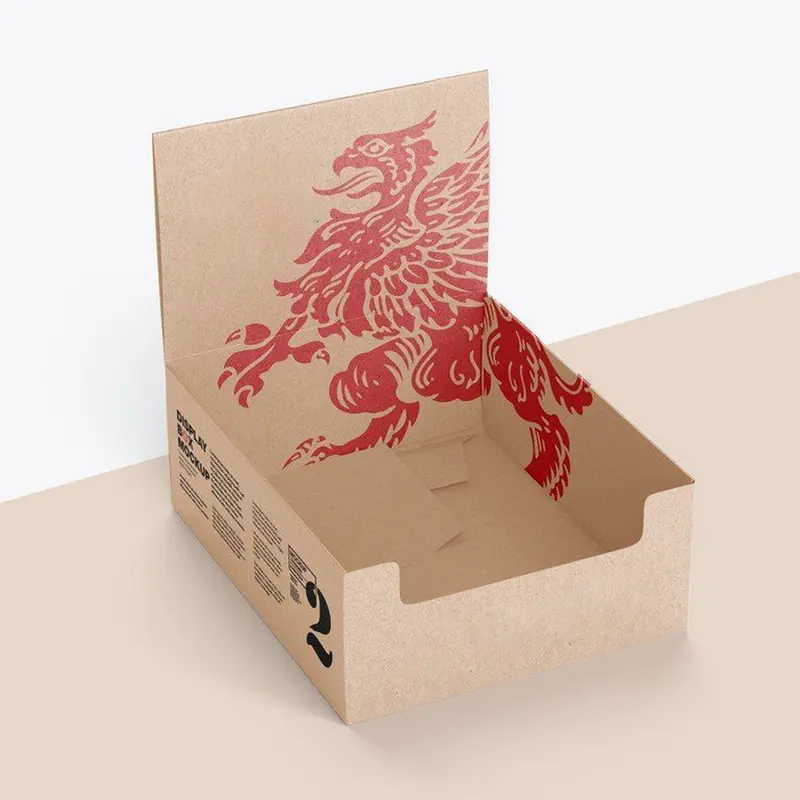
Four constructions with different jobs in store.
| Format | Where it sits | Governing constraint |
|---|---|---|
| Shelf-ready case | On the shelf, opened from the case | Perforation and retailer case spec |
| Counter display unit | By the till, impulse purchase | Small footprint, stable base |
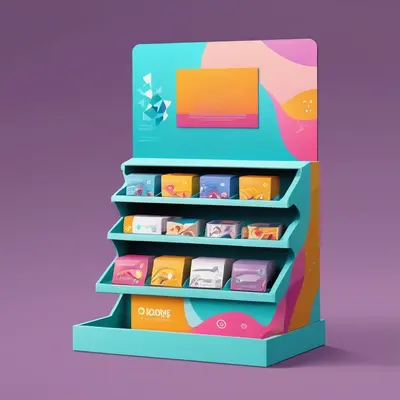
| Floor-standing display | In the aisle | Full-load stability and height |
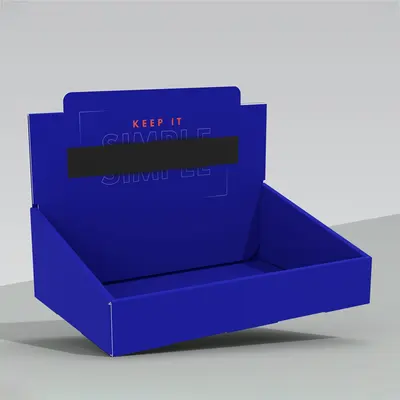
| Tray with header | Shelf or counter | Header attachment and visibility |
The range
No format matches that. Try a shorter word, or describe what you need in a quote request.
Specification
The header card does the selling from three feet away. Structure keeps it upright once the front tears off. Our guide to packaging board and film grades compares them on strength, print quality and cost.
Run length usually decides this. Digital wins on shorter quantities because there is no plate cost; beyond that, offset and flexo overtake it on price per unit.
Finishes are applied in the same production run. Each one adds a step, so we price them individually rather than bundling them into the base rate.
Most orders here come from retail and grocery, beauty and personal care, food and beverage brands.
Specification builder
Set what you know, leave the rest. Everything here travels with your request, so nothing gets retyped.
Drag to rotate
Recent work
Four things worth settling before tooling.
Get a price
Send the product details and the quantity you have in mind. We reply with a specification and a written price, usually within one business day.
Prices start from $0.30 per piece for large-volume orders. Final pricing depends on size, material, printing, finishes, and quantity.
No obligation
Send us the product details and quantity. We reply with a specification and a written price, usually within one business day.
Answers
A case that arrives at the store, is opened along a designed perforation, and becomes the display itself without anyone unpacking individual units. It has to survive distribution and then look deliberate — a genuine structural tension.
By testing it physically. Too weak and it opens in transit; too strong and staff tear it badly. We recommend a sample on display work more than on any other format for exactly this reason.
That is a calculation, not a hope. Send the weight of a full facing and we grade the board and reinforce the base and front lip, which is where display units actually fail.
If you are supplying a grocery chain, almost certainly. Case dimensions, pallet pattern and barcode placement are usually published and non-negotiable. Send the requirement and we design inward from it.
Yes. Stability under a full load and at the end of a selling period, when the unit is half empty and lighter, are both design considerations we will raise.
Usually dictated by the retailer, and it differs between the primary pack and the case. Critically, a barcode crossing a crease or a perforation fails at the scanner, so placement is a dieline decision.
A flat 100 units on any format, which is enough to trial a unit in a handful of stores before a full rollout.
Counter units often are. If restocking is expected, tell us — the structure needs to survive being refilled repeatedly, which is a different requirement from a single fill.
Work back from the in-store date: production is 3 to 5 business days after artwork approval, plus freight, plus sample time. Give us the date rather than asking for a lead time.
From $0.30 per piece at large volumes for simple cases. Floor-standing units and anything with reinforcement sit well above that, because board grade rather than print drives the cost.
Related ranges
Next step
Send the product dimensions and the quantity you need. We come back with a specification, a lead time and a written price.