Capabilities
Packaging materials we produce on
Material is a structural decision before it is a visual one. Here is what we produce on and how each substrate behaves in the real world.
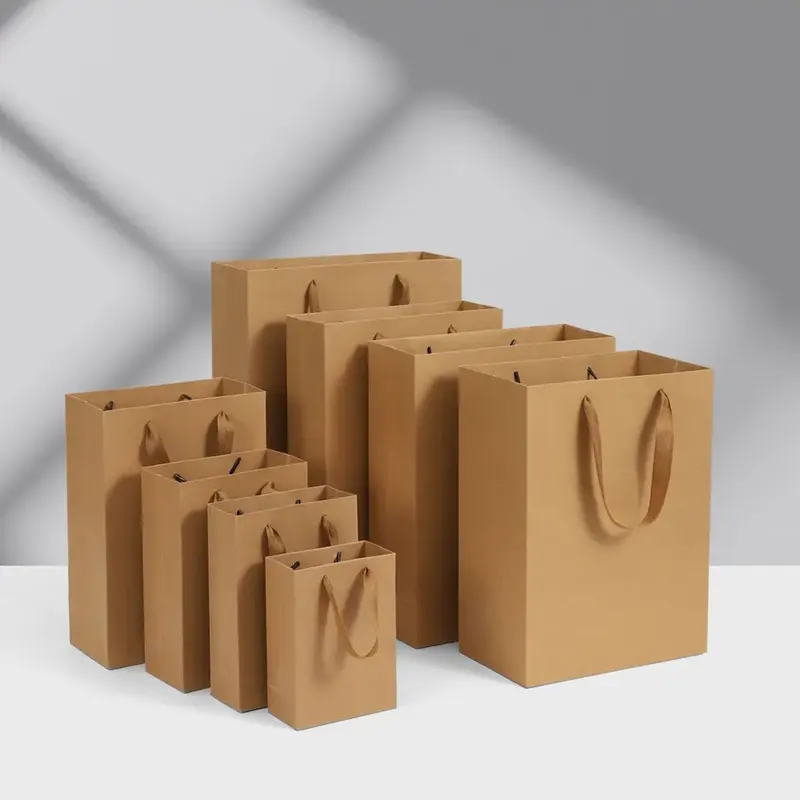
Board and paper substrates
These cover the majority of retail packaging, from small cosmetic cartons to shelf-ready shipping cases.
| Substrate | Typical thickness | Best for | Limitation |
|---|---|---|---|
| SBS paperboard | 12pt – 18pt | Cartons needing clean print and fine detail | Virgin fibre, higher cost than recycled grades |
| Kraft board | 12pt – 18pt | Natural finish, craft positioning | Colour shifts, absorbs moisture |
| Recycled CCNB | 14pt – 20pt | Cost-effective cartons with recycled content | Greyer base tone, slightly less rigid |
| E-flute corrugated | ~1.5 mm | Mailers and retail-facing shippers | Coarser print than flat board |
| B-flute corrugated | ~3 mm | Shipping boxes taking real abuse | Bulkier, lower print fidelity |
| BC double-wall | ~6 mm | Heavy contents, high stacking loads | Highest freight volume of the board options |
| Rigid greyboard | 1.5 mm – 2 mm | Premium presentation packaging | Hand-assembled, ships pre-formed |
Caliper, grade and how each behaves under load are compared in the packaging material guide.
Flexible films
Pouches and flexible packs are laminated from several film layers, with each layer doing a job — print carrier, barrier, and food-safe sealant. They weigh a fraction of rigid alternatives and take almost no freight volume flat.
Recyclable mono-material polyethylene structures are now viable for many dry goods. They behave differently on filling lines, so a brand switching a live product should trial before converting the whole SKU.
Film structures we produce
- PET/MPET/PE laminate — high barrier, opaque, standard for coffee and snacks
- Kraft paper/PE laminate — natural outer with a working barrier inner
- Clear PET/PE — product visibility with moderate barrier
- Recyclable mono-PE — single polymer family, store drop-off recyclable
- Compostable kraft/PLA — certified industrial compostable
Barrier structures and where they stop being recyclable are covered on the flexible pouch range.
Protective and specialty materials
Used inside a pack rather than as the pack itself, these decide whether a fragile product survives the carrier network.
- Moulded pulp — recycled, impact absorbing, rough surface, poor print
- EVA and polyurethane foam — precise cavities, best impact absorption, not kerbside recyclable
- Chipboard — thin dense board for shallow trays and pads
- Cotton canvas and jute — sewn reusable carriers rather than single-trip packaging
Which cushioning suits which product is set out in our guide to packaging inserts.
Material advice
Not sure which substrate you need?
Tell us the product weight and how far it travels. Material choice follows from those two answers more than from anything else.
No obligation
Request a quote
Send us the product details and quantity. We reply with a specification and a written price, usually within one business day.
Answers
Questions about packaging materials
Which material is strongest?
BC double-wall corrugated for stacking and impact, rigid greyboard for shape retention. They solve different problems — one is about load, the other about the pack not collapsing.
What is the difference between SBS and kraft board?
SBS is bleached white with a coated surface that prints cleanly. Kraft is unbleached, prints warmer and duller, cannot carry white ink without an underbase, and absorbs ambient moisture.
Which materials are food safe?
Food-grade paperboard, PLA-lined board and food-safe film structures are all available. Not every printed board is approved for direct contact, so confirm the grade if the product touches the surface.
Can I get recycled content in any material?
Recycled grades exist for paperboard and corrugated, and corrugated already carries high recycled content as standard. Film and foam options are more limited.
What board thickness do I need?
12pt for light retail items, 14pt to 16pt for most cartons, 18pt for weight or repeated handling. Past that, corrugated is the better answer.
Does material affect print quality?
Considerably. Coated white board holds the finest detail. Uncoated kraft dulls and warms colour. Corrugated printed flexo cannot hold fine gradients without litho-lamination.
Which material is cheapest?
Uncoated kraft board and E-flute corrugated are usually the lowest cost per unit area. The cheapest material overall is the lightest one that survives the journey with margin.
Do you offer plastic-free options?
Yes. Water-based coatings, PE-free grease barriers and paper-only constructions avoid plastic laminates while keeping the pack recyclable in paper streams.
How does climate affect material choice?
Sustained heat softens some laminating adhesives; humidity reduces the rigidity of uncoated board. For warm or humid storage we specify heat-stable laminates and moisture-resistant coatings.
Can I mix materials in one pack?
Yes, and it is common — a corrugated outer with a foam insert, or a carton with a film window. It does complicate recycling, so consider whether the customer will realistically separate the components.
Next step
Tell us what you are packing
Send the product dimensions and the quantity you need. We come back with a specification, a lead time and a written price.