Samples
Packaging samples and prototypes
A sample costs a fraction of a production run and catches the failures that are otherwise found several thousand units too late.
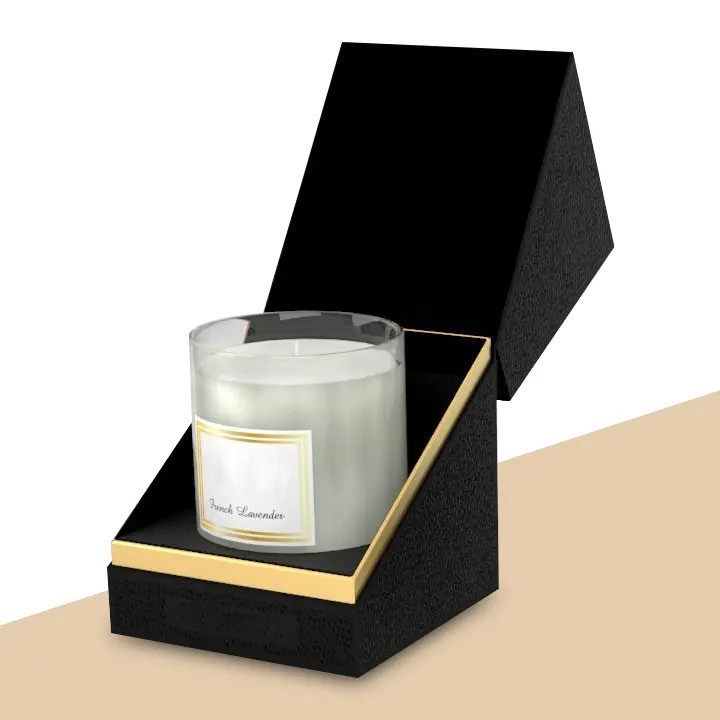
Three kinds of sample
A plain structural sample is unprinted, cut on your actual dieline in your actual board grade. It answers the only question that matters early: does the real product fit, and does the pack close properly with it inside.
A printed prototype is produced digitally on the intended substrate with your artwork applied. It answers colour and finish questions a screen cannot.
A production proof is the final check before the run — content, layout and position, not a colour standard.
Which one answers your question depends on what you are unsure about, and the sampling guide walks through each.
How to test a structural sample
Put the actual product inside. Close it, lift it, shake it gently. Rattling means an insert is needed. A straining lid means the dieline is tight. Flimsiness with the product inside means the board grade is too light.
For anything shipping through a carrier, load it and drop it from about a metre onto a hard floor on several faces and corners. Corners fail first.
If the product moves inside, the answer is usually a fitted cavity rather than a heavier box — see the packaging insert range.
Cost and credit
Sample costs are normally credited against a production order that follows, which makes the real cost close to zero if you proceed. Tooling is the exception — if a sample needs a new cutting die, that cost carries forward to production rather than being duplicated.
Tooling carries forward rather than being charged twice, which is covered in the cost factors breakdown.
Samples
Request a sample before you commit
A plain structural sample answers fit; a printed prototype answers colour. Sample costs are normally credited against the production order that follows.
No obligation
Request a quote
Send us the product details and quantity. We reply with a specification and a written price, usually within one business day.
Answers
Questions about samples and prototypes
How do I order a sample?
Send a quote request describing the product and the format you are considering. We will tell you which kind of sample answers your question and what it costs.
Are samples free?
Sample costs are normally credited against a production order that follows. We do not send free printed prototypes, since each one is individually produced.
How long do samples take?
Plain structural samples typically three to five business days. Printed prototypes five to eight. Production proofs one to three.
Can I get a sample with my artwork on it?
Yes, as a printed prototype. It is produced digitally on the intended substrate, so it approximates an offset production run rather than matching it exactly.
Do I need a sample for a reorder?
No, if the specification is unchanged. A minor artwork revision on a proven structure needs a proof but not a new structural sample.
Can you send a sample of a stock item?
Everything we make is cut to order, so there are no stock items. We can send a sample in a similar format and board grade to demonstrate material and finish.
What should I check on a printed prototype?
Colour against your brand standard, finish feel in the hand, artwork position relative to folds, and legibility of the regulated panel at actual size.
Does a sample need tooling?
A structural sample cut on your exact dieline needs the cutting die. That cost carries forward to your production order rather than being charged twice.
Can I test the pack in shipping?
Yes, and you should. Load a sample with the real product and put it through the actual shipping route if you can, or drop-test it if you cannot.
Will a digital proof show accurate colour?
No. Your screen and the press are different devices. For critical colour, ask for a proof on the actual substrate.
Next step
Tell us what you are packing
Send the product dimensions and the quantity you need. We come back with a specification, a lead time and a written price.