
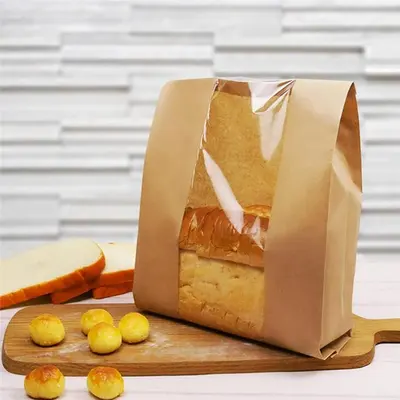
Min. 100 units · 3–5 days
27 made-to-order formats
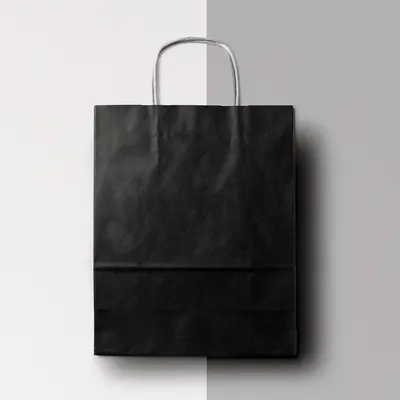
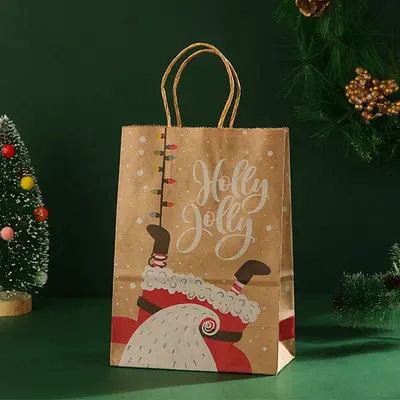
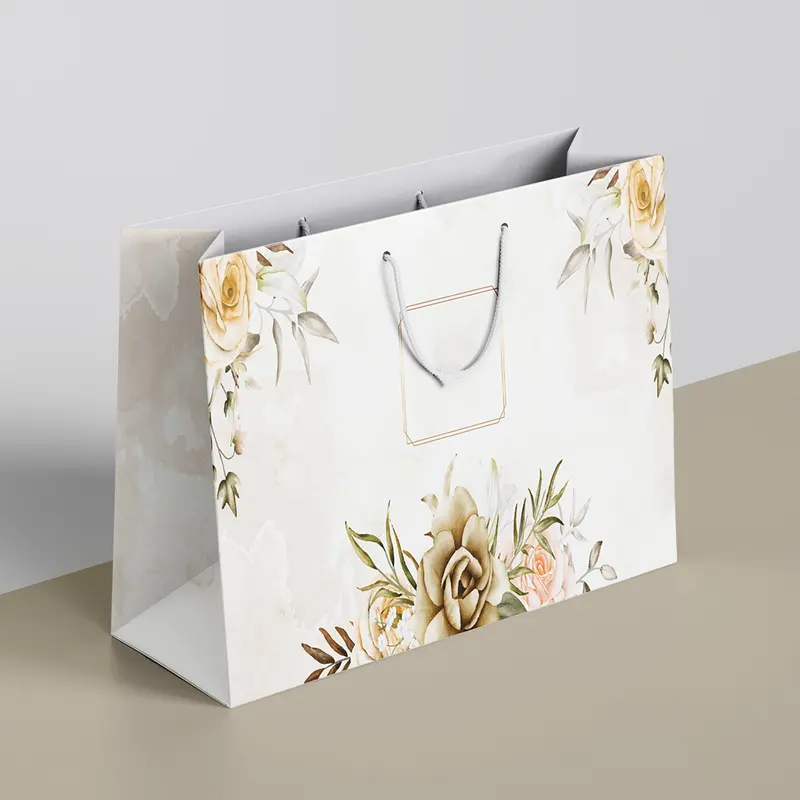
A retail bag leaves the store with the customer, which makes it a second storefront. It also makes it the only piece of packaging that has to carry weight in someone’s hand.
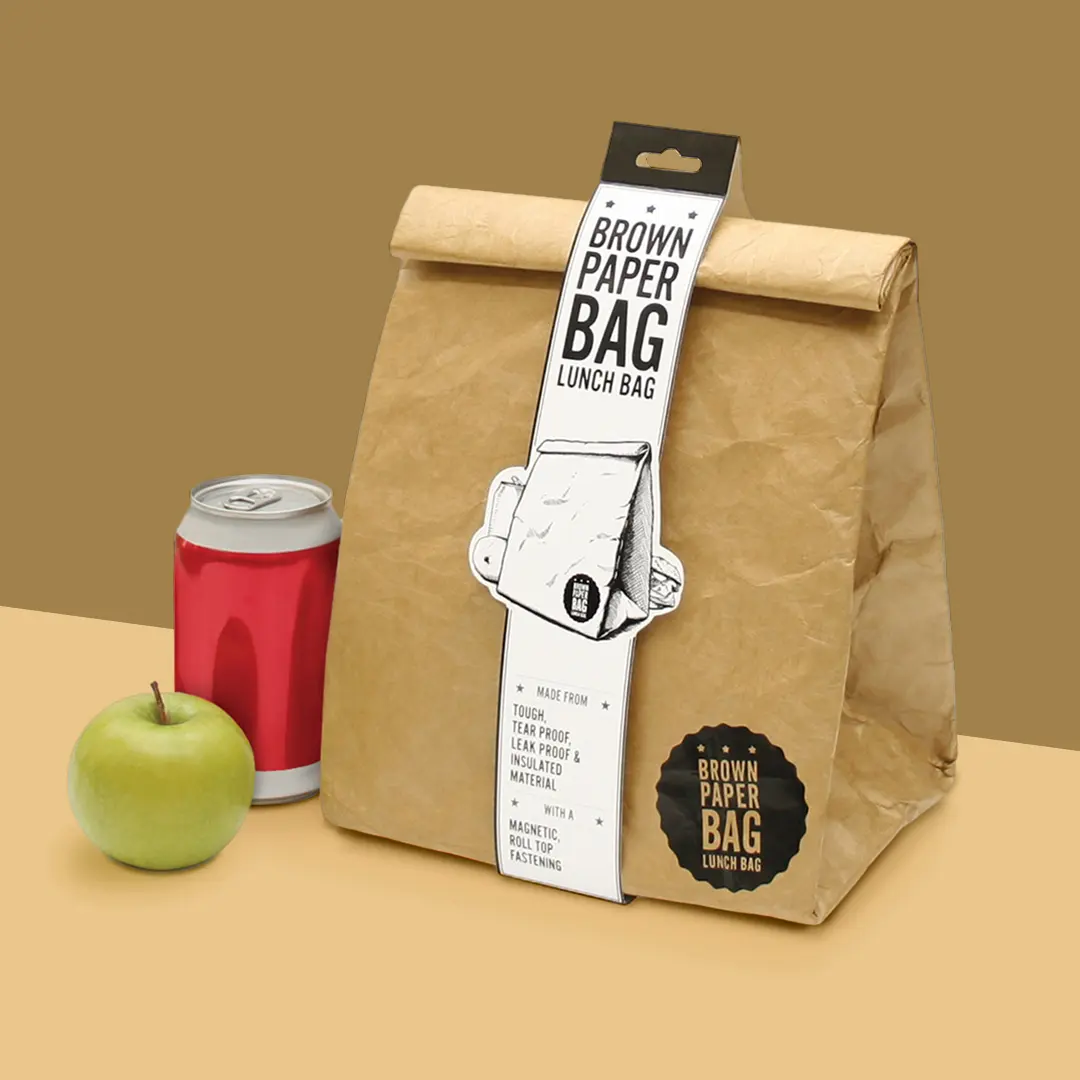
Buyers choose handles by appearance and then find the bag tearing at the top edge under load. In almost every failure we see, the handle held and the paper around it did not.
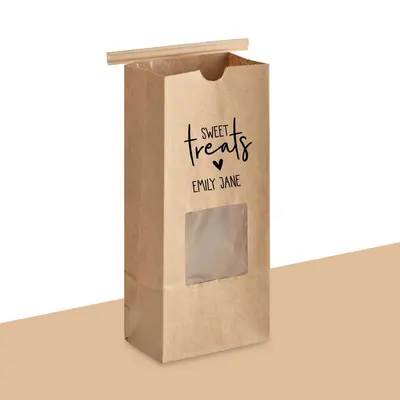
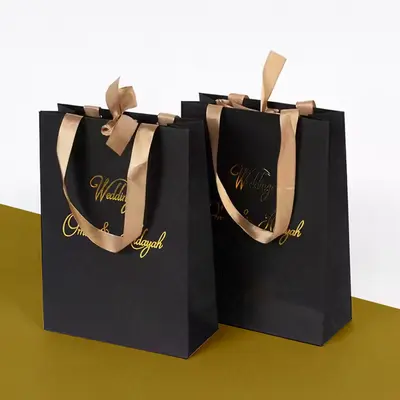
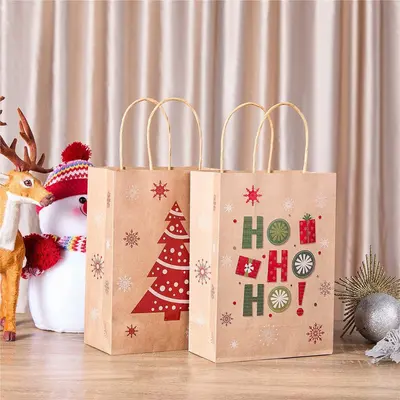
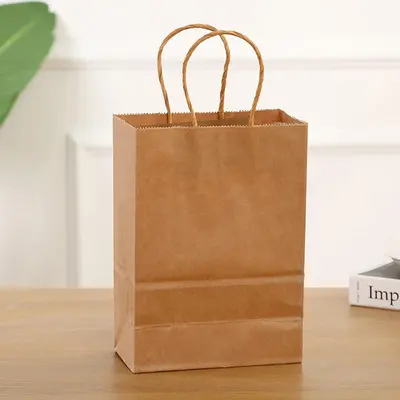
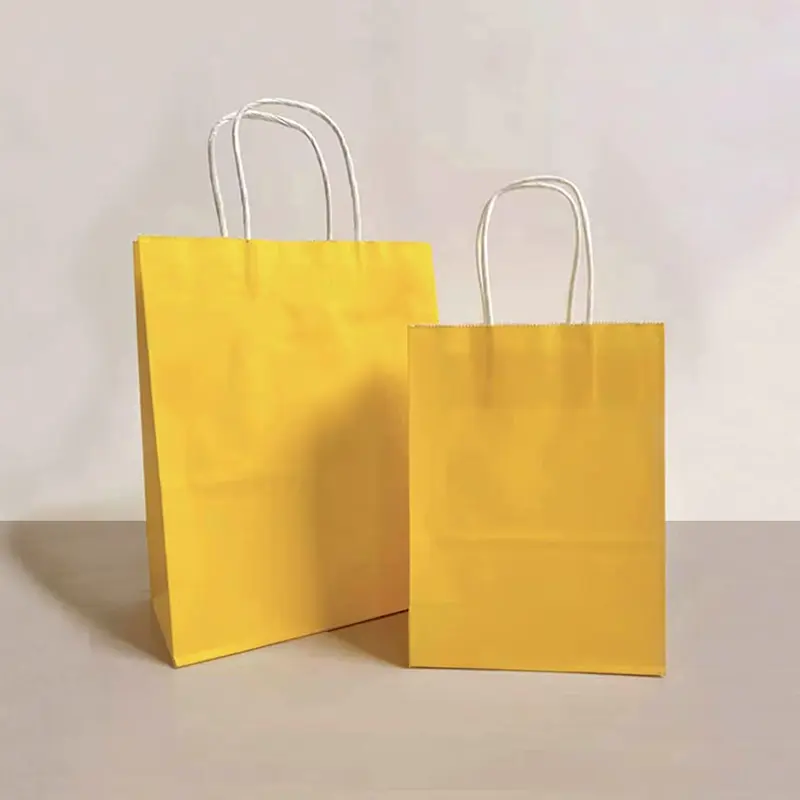
So the specification is really two decisions taken together: handle type for the look and the load, and a reinforced top edge for anything above a few kilos. Twisted paper suits a bakery; a boutique packing candles or bottles needs flat paper or rope handles and a doubled top.
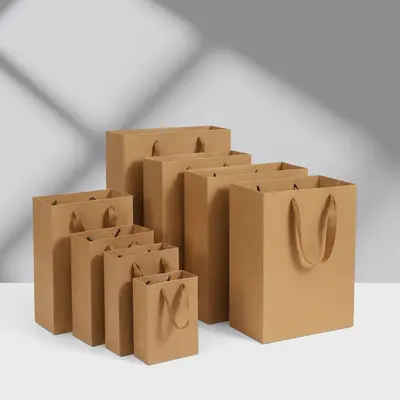
Bags are quoted width × gusset × height, and the gusset is the dimension buyers most often get wrong. It is the depth of the bag when it is opened out, and it is what determines whether a boxed product actually fits.
Send the largest thing the bag has to hold rather than a bag size you have seen elsewhere. We will work the three dimensions back from it.
A rough guide before we specify against your actual contents.
| Load | Paper weight | Handle |
|---|---|---|
| Light — pastries, cards, small goods | 100–120gsm | Twisted paper |
| Medium — apparel, boxed cosmetics | 150gsm | Flat paper, reinforced top |
| Heavy — bottles, candles, multiples | 170gsm and up | Cotton rope, doubled top edge |
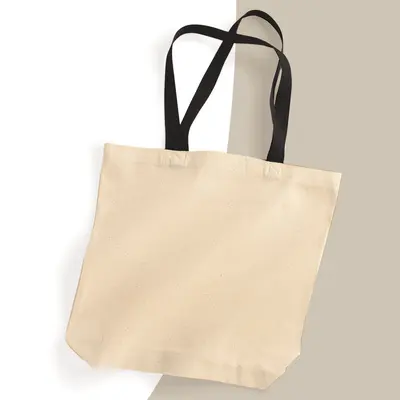
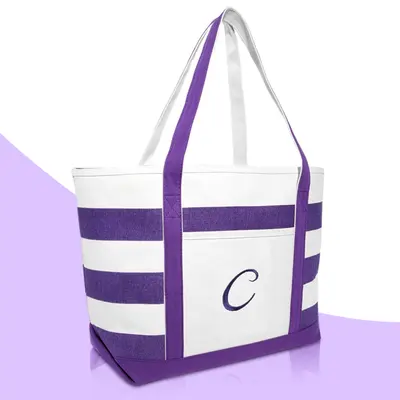
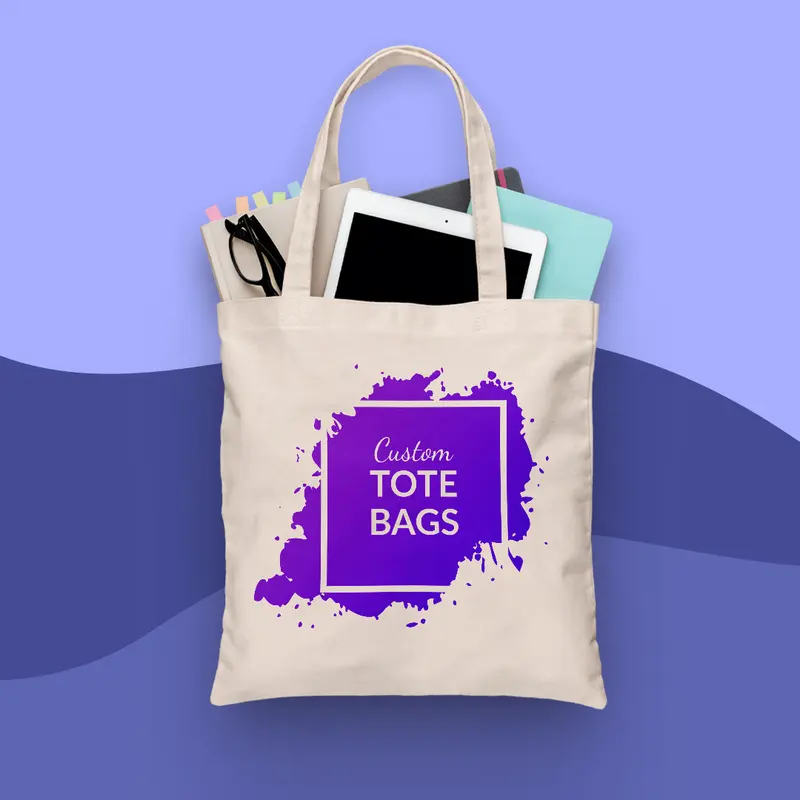
| Reusable — grocery, promotional | Cotton or jute | Stitched fabric handles |
The range
No format matches that. Try a shorter word, or describe what you need in a quote request.
Specification
Handle type and paper weight decide whether the bag survives the walk home. A 100gsm bag with twisted handles is fine for a bakery; a boutique packing candles needs 170gsm and rope handles. Our guide to packaging board and film grades compares them on strength, print quality and cost.
Run length usually decides this. Digital wins on shorter quantities because there is no plate cost; beyond that, offset and flexo overtake it on price per unit.
Finishes are applied in the same production run. Each one adds a step, so we price them individually rather than bundling them into the base rate.
Most orders here come from retail and grocery, food and beverage, gifting and events brands.
Specification builder
Set what you know, leave the rest. Everything here travels with your request, so nothing gets retyped.
Drag to rotate
Recent work
Four recurring problems, all avoidable at quoting.
Get a price
Send the product details and the quantity you have in mind. We reply with a specification and a written price, usually within one business day.
Prices start from $0.30 per piece for large-volume orders. Final pricing depends on size, material, printing, finishes, and quantity.
No obligation
Send us the product details and quantity. We reply with a specification and a written price, usually within one business day.
Answers
It is the depth of the bag when opened out — the third dimension after width and height. It decides whether a boxed product fits, and it is the measurement first-time buyers most often get wrong.
It depends on the load, not the look. Twisted paper suits light contents, flat paper is stronger for similar cost, cotton rope carries the most. Above a few kilos the top edge reinforcement matters as much as the handle itself.
That is set by paper weight and top-edge reinforcement together. Tell us the heaviest thing you will put in it and we will specify to that rather than to a category average.
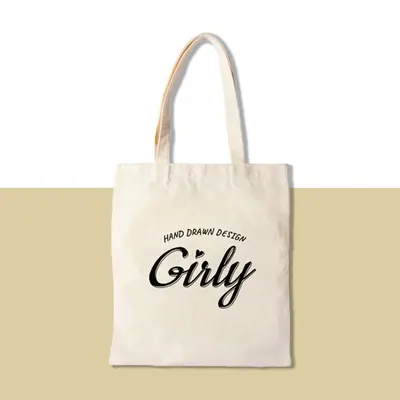
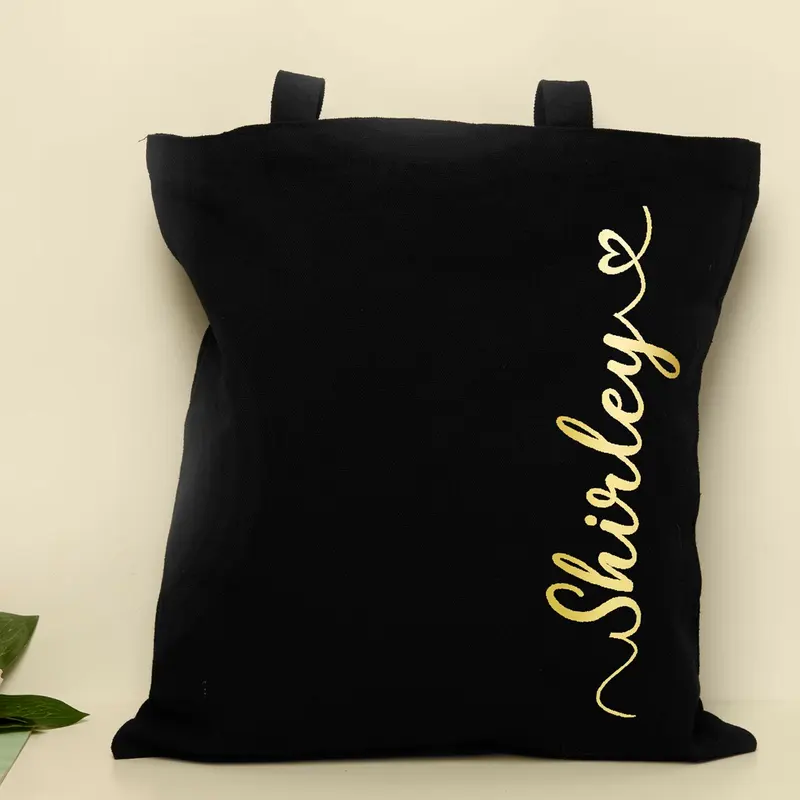
Yes. Cotton, canvas and jute totes are all available, and they are a different product commercially — reusable, heavier, and usually bought as a brand item rather than a carrier.
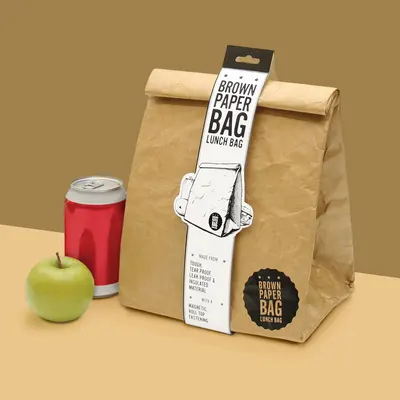
Not uncoated. An internal coating keeps the natural kraft appearance outside while stopping strike-through, which is usually what you want if the bag was chosen for its look.
You can, but heavy coverage on unbleached stock reads muddy. One or two colours generally look better and cost less, and they keep the material doing the work it was chosen for.
A flat 100 units on any format, which is a practical quantity for trialling a size before committing to a season.
Paper bags ship flat and folded, which keeps freight low. Fabric totes ship folded but take more volume, so allow for that if storage is tight.
Yes. Send a physical sample if you can — paper weight and handle construction are hard to judge from a photograph, and both affect the quote.
From $0.30 per piece at large volumes. Paper weight, handle type and print coverage are the three levers, and rope handles are the single biggest step in cost.
Related ranges
Next step
Send the product dimensions and the quantity you need. We come back with a specification, a lead time and a written price.