Min. 100 units · 3–5 days
21 made-to-order formats
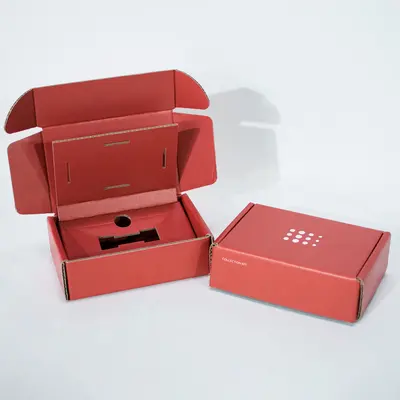
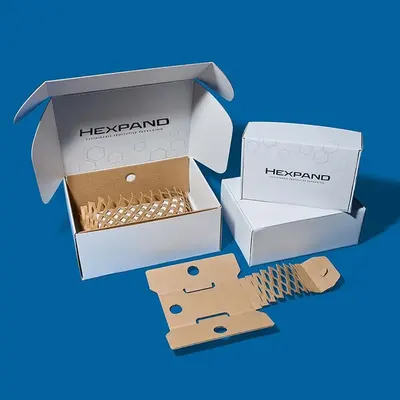
Most transit damage happens inside an otherwise intact box. A fitted insert usually fixes it at lower cost than a heavier outer — and often lets you drop a board grade.

Two damage patterns look similar on a report and need opposite fixes. Boxes arriving crushed mean the board grade is too light for the stack above. Boxes arriving intact with damaged contents mean the product moved inside — and no amount of extra board will change that.
The second is far more common. It is also the cheaper one to fix, because a fitted cavity that holds the product still often lets you reduce the outer at the same time.
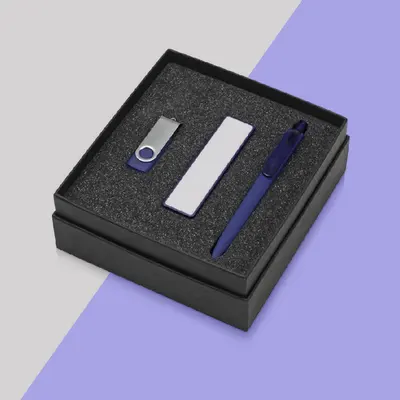
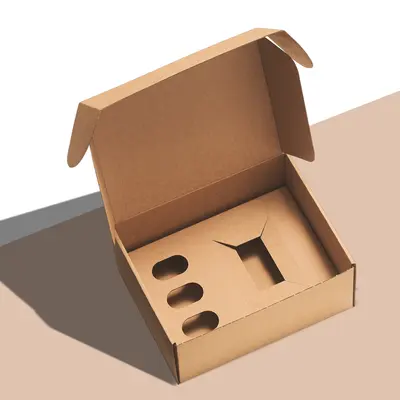
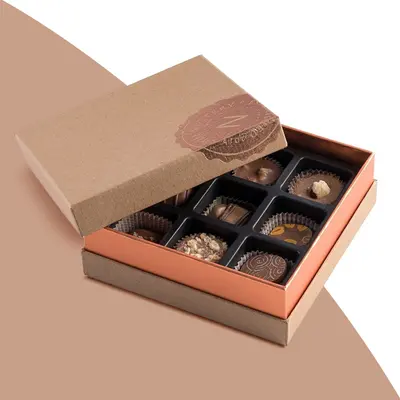
An insert that grips a product firmly for transit is usually invisible and slightly tight. An insert that presents a product on opening seats it loosely and is part of what the recipient sees. Asking one insert to do both tends to compromise one of them.
Decide which matters more before we cut. If both genuinely matter, the answer is usually a presentation insert inside a protective outer rather than a single clever part.
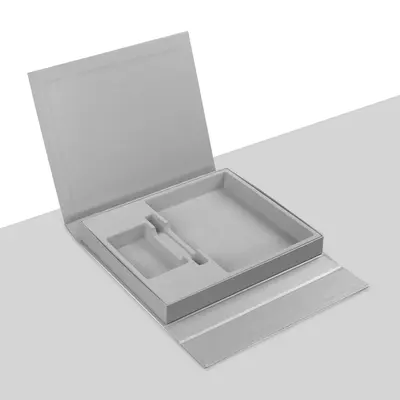
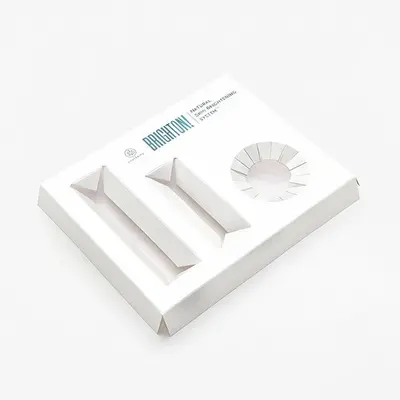
Three materials, three different strengths.
| Material | Best for | Limitation |
|---|---|---|
| Board / paperboard | Light and regular shapes, presentation | Little shock absorption |
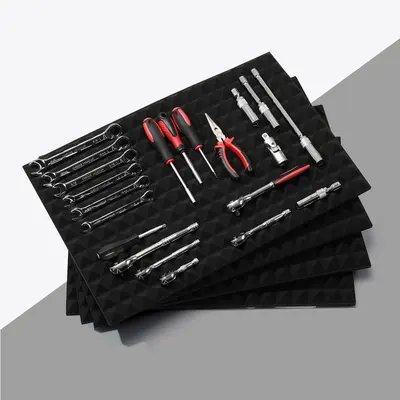
| Foam | Fragile, irregular, high-value items | Bulkier, harder to recycle |
| Moulded pulp | Repeatable shapes, recyclable requirement | Tooling cost, less precise than foam |
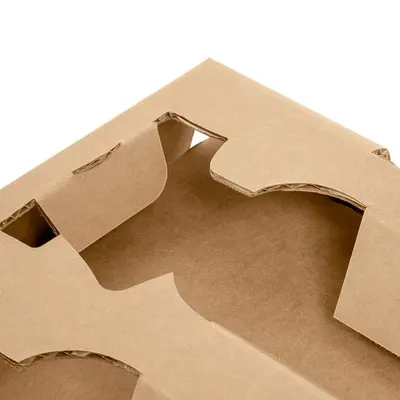
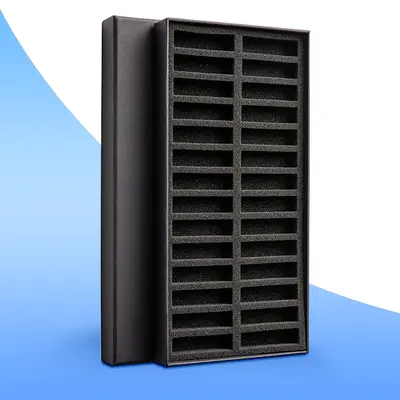
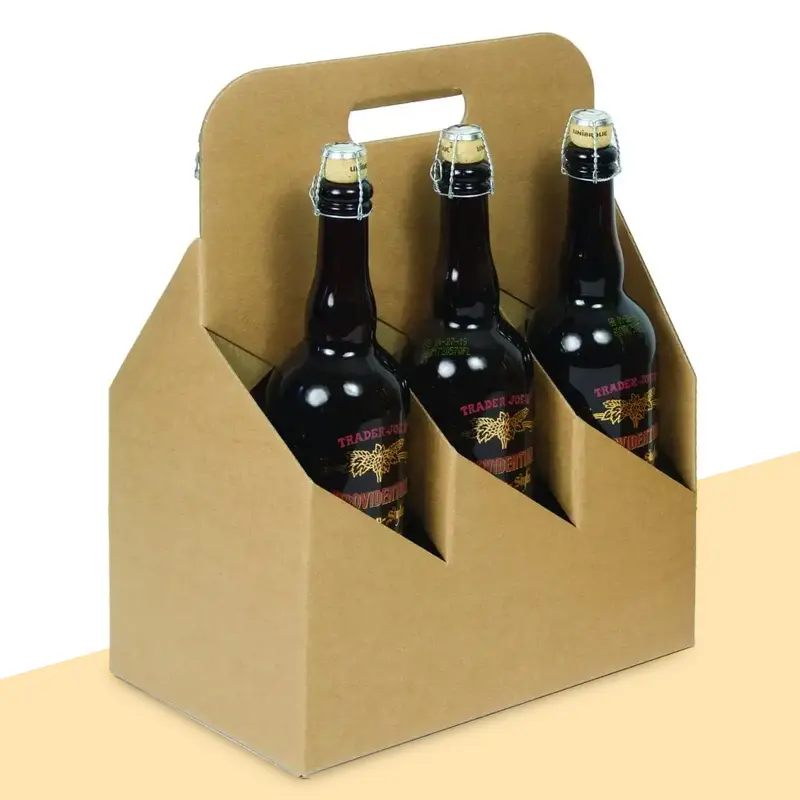
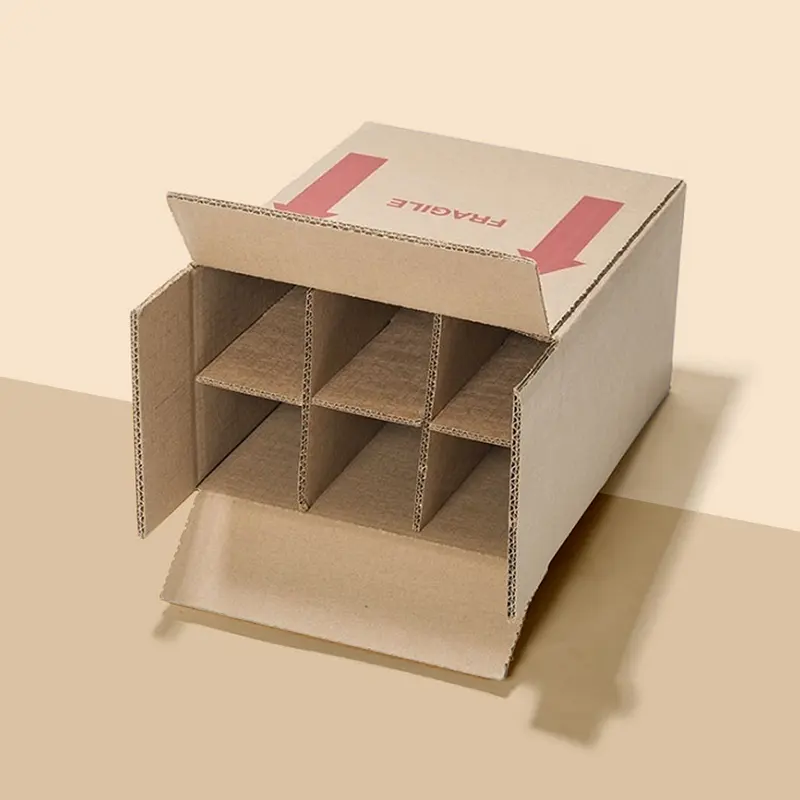
| Corrugated dividers | Multiple units in one carton | Only works for regular grids |
The range
No format matches that. Try a shorter word, or describe what you need in a quote request.
Specification
Product weight and fragility. Board handles most goods; foam is for anything that cannot take a knock. Our guide to packaging board and film grades compares them on strength, print quality and cost.
Run length usually decides this. Digital wins on shorter quantities because there is no plate cost; beyond that, offset and flexo overtake it on price per unit.
Finishes are applied in the same production run. Each one adds a step, so we price them individually rather than bundling them into the base rate.
Most orders here come from e-commerce and dtc, electronics and hardware, gifting and events brands.
Specification builder
Set what you know, leave the rest. Everything here travels with your request, so nothing gets retyped.
Drag to rotate
Recent work
The cases we quote most often.
Get a price
Send the product details and the quantity you have in mind. We reply with a specification and a written price, usually within one business day.
Prices start from $0.30 per piece for large-volume orders. Final pricing depends on size, material, printing, finishes, and quantity.
No obligation
Send us the product details and quantity. We reply with a specification and a written price, usually within one business day.
Answers
Look at what arrives damaged. Crushed boxes mean the board is too light. Intact boxes with damaged contents mean the product moved inside, and an insert is the fix — usually at lower cost than upgrading the outer.
Board is cheapest and suits light or regular shapes. Foam holds fragile and irregular items and absorbs shock. Moulded pulp sits between them and is the more recyclable cushioning option. Send the item and we will recommend.
Frequently, yes. Once the contents cannot move, the outer only has to resist crushing rather than absorb internal impact. The two changes together can be close to cost-neutral.
From the item itself where possible, or from drawings. Send a sample if you can — irregular geometry is difficult to capture accurately from a technical drawing alone.
Decide explicitly, because the answers differ. A transit insert grips firmly and is often invisible; a presentation insert seats loosely and is part of the reveal. One insert doing both usually compromises one.
Generally not through kerbside collection. If a recyclable requirement is firm, moulded pulp or a board structure is the honest route, accepting slightly less shock absorption.
For die-cut board and foam, a cutting die is needed and it is a one-off. Moulded pulp needs a mould, which is a larger up-front cost and only pays back at volume.
A flat 100 units on any format, which is enough to validate a cavity against your real handling process before committing.
Yes. Send the box dimensions and the item, and we will cut an insert to fit inside what you are already using.
From $0.30 per piece at large volumes for simple board inserts. Foam and moulded pulp sit above that, and the right comparison is against the value of what they protect.
Related ranges
Next step
Send the product dimensions and the quantity you need. We come back with a specification, a lead time and a written price.