


Min. 100 units · 3–5 days
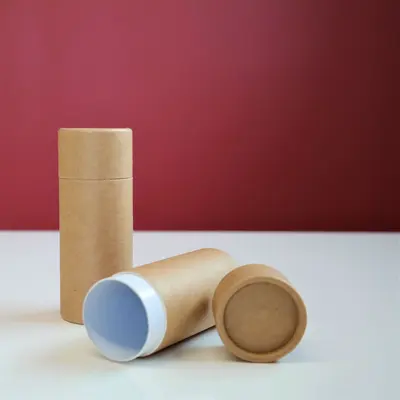
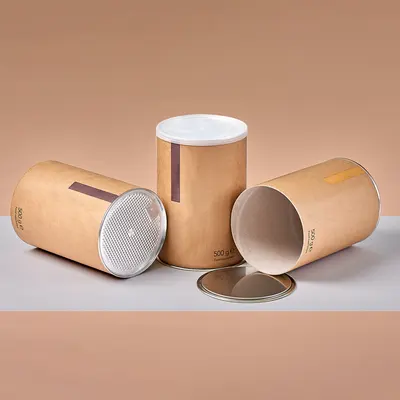
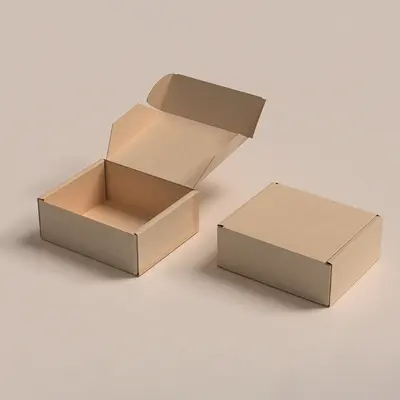
6 made-to-order formats
Recycled content, kerbside recyclability and certified compostability are not the same claim. Brands get into trouble by printing one and being able to evidence another.
Recycled content is about what the material is made from. Recyclability is about where it can go afterwards, and it depends on local collection as much as on the material. Compostability generally means industrial facilities, not a garden heap.
Tell us which claim you intend to print on the pack and we will specify a material that supports it — or say plainly that it does not exist at your price point, which is sometimes the answer.
What each one requires and where each falls short.
| Claim | What it needs | Where it fails |
|---|---|---|
| Recycled content | Mill documentation on fibre source | Says nothing about disposal |
| Kerbside recyclable | No film laminate, no mixed layers | Depends on local collection |
| Store drop-off recyclable | Mono-material construction | Requires customer effort |
| Certified compostable | Certification and industrial facilities | Rarely available to consumers |
A pack is only as recyclable as its least recyclable component. A film window, a plastic laminate, a foil block or a synthetic label can each move an otherwise clean paperboard pack out of the kerbside stream.
If recyclability is the claim, it has to constrain the finish decisions too — not just the board. That is the part most briefs miss.
The range
No format matches that. Try a shorter word, or describe what you need in a quote request.
Specification
Which claim you can actually support. Recycled content, kerbside recyclability and certified compostability are three different things. Our guide to packaging board and film grades compares them on strength, print quality and cost.
Run length usually decides this. Digital wins on shorter quantities because there is no plate cost; beyond that, offset and flexo overtake it on price per unit.
Finishes are applied in the same production run. Each one adds a step, so we price them individually rather than bundling them into the base rate.
Most orders here come from retail and grocery, food and beverage, e-commerce and dtc brands.
Specification builder
Set what you know, leave the rest. Everything here travels with your request, so nothing gets retyped.
Drag to rotate
Recent work
Four we advise against.
Get a price
Send the product details and the quantity you have in mind. We reply with a specification and a written price, usually within one business day.
Prices start from $0.30 per piece for large-volume orders. Final pricing depends on size, material, printing, finishes, and quantity.
No obligation
Send us the product details and quantity. We reply with a specification and a written price, usually within one business day.
Answers
Recyclable means it can re-enter a material stream, which depends on local collection. Compostable means it breaks down under specific conditions — usually industrial, not a garden heap. They are different claims with different evidence.
Slightly, at the same caliper. Recycled fibres are shorter, so it is a little less stiff and absorbs moisture faster. Stepping up one caliper generally restores performance while keeping the claim.
We can state the recycled content of the board and provide the mill documentation. We do not issue certifications ourselves, and we would rather give you evidence than a claim you cannot substantiate.
A PET film window usually does, for kerbside collection at least. A die-cut aperture with no film keeps the pack clean if visibility matters less than the claim.
Not usually, in practice. Certified compostable stock generally needs industrial facilities that most consumers cannot access. If kerbside recycling is realistic for your buyers, a recyclable stock does more real good.
Not at the top end. The best barriers are multi-layer laminates, which resist recycling for the same reason they resist oxygen. Mono-material films recycle through store drop-off with a shorter shelf life.
Recycled paperboard is usually within a few percent of conventional. Certified compostable runs materially higher. We quote the options side by side so the difference is visible.
A flat 100 units on any format, which is enough to trial a recycled specification through real handling before committing.
Vegetable- and water-based inks are available and are generally compatible with recycling streams. They are a smaller factor than the substrate and the coating, which is where the claim is actually decided.
Yes, and it is the most useful conversation to have first. Tell us your product, where it is sold and what your customers can realistically do with the pack afterwards.
Related ranges
Next step
Send the product dimensions and the quantity you need. We come back with a specification, a lead time and a written price.