Min. 100 units · 3–5 days
27 made-to-order formats
Every pouch decision is a trade between shelf life and recyclability. The right answer is the lowest barrier that holds your product for as long as it genuinely needs.
The films that block oxygen and moisture best are multi-layer laminates, and multi-layer structures are difficult to recycle precisely because they combine materials bonded together. That is not a marketing problem; it is a physical one.
Mono-material films have improved considerably and are recyclable through store drop-off in many areas, but they generally give a shorter shelf life than a full laminate. You are choosing a point on a scale rather than getting both ends of it.
The useful question is how long the product has to stay good, and what degrades it — oxygen, moisture or light. A coffee that sells within three weeks needs far less barrier than one sitting in distribution for six months.
Over-specifying the barrier is common and it costs twice: once on the film, and again on the recyclability claim you then cannot make.
What each material actually gives you.
| Material | Barrier performance | Recovery route |
|---|---|---|
| Multi-layer laminate | Highest — longest shelf life | Not kerbside recyclable |
| Mono-material film | Good, shorter shelf life | Store drop-off in many areas |
| Kraft with liner | Moderate, depends on the liner | Depends entirely on the liner |
| Certified compostable | Lowest, shortest shelf life | Industrial facilities only |
The range
No format matches that. Try a shorter word, or describe what you need in a quote request.
Specification
Shelf life target. That sets the barrier structure, and the barrier structure sets the price. Our guide to packaging board and film grades compares them on strength, print quality and cost.
Run length usually decides this. Digital wins on shorter quantities because there is no plate cost; beyond that, offset and flexo overtake it on price per unit.
Finishes are applied in the same production run. Each one adds a step, so we price them individually rather than bundling them into the base rate.
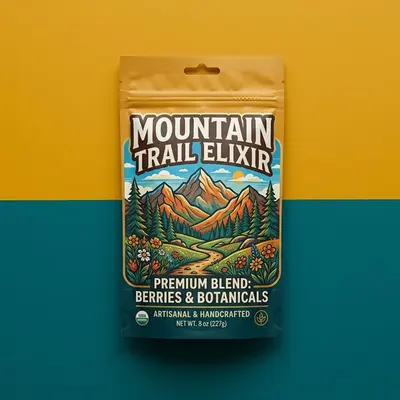
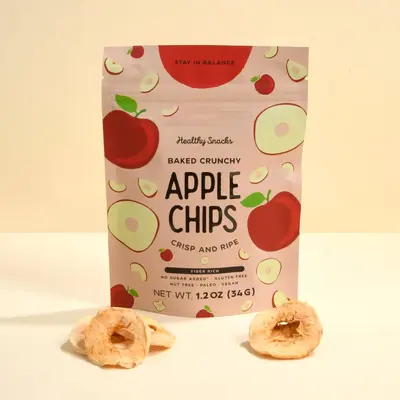
Most orders here come from food and beverage, cbd and wellness, retail and grocery brands.
Specification builder
Set what you know, leave the rest. Everything here travels with your request, so nothing gets retyped.
Drag to rotate
Recent work
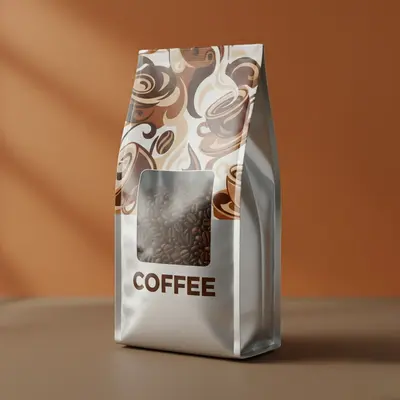
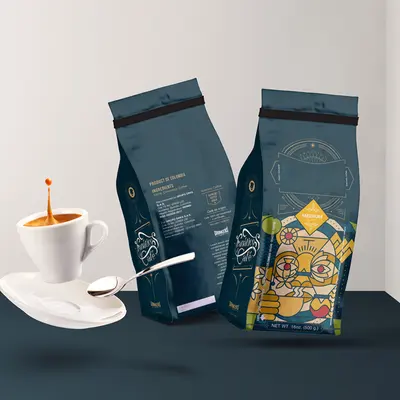
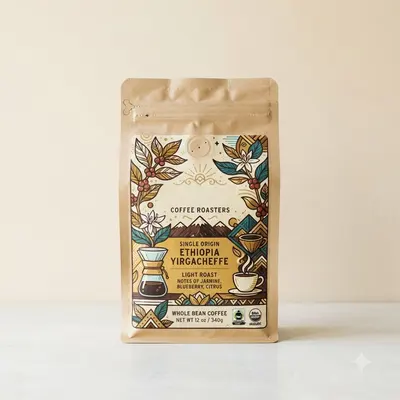
A one-way degassing valve is for products that off-gas, freshly roasted coffee above all — without one, a sealed bag inflates. It is not a fix for anything else.
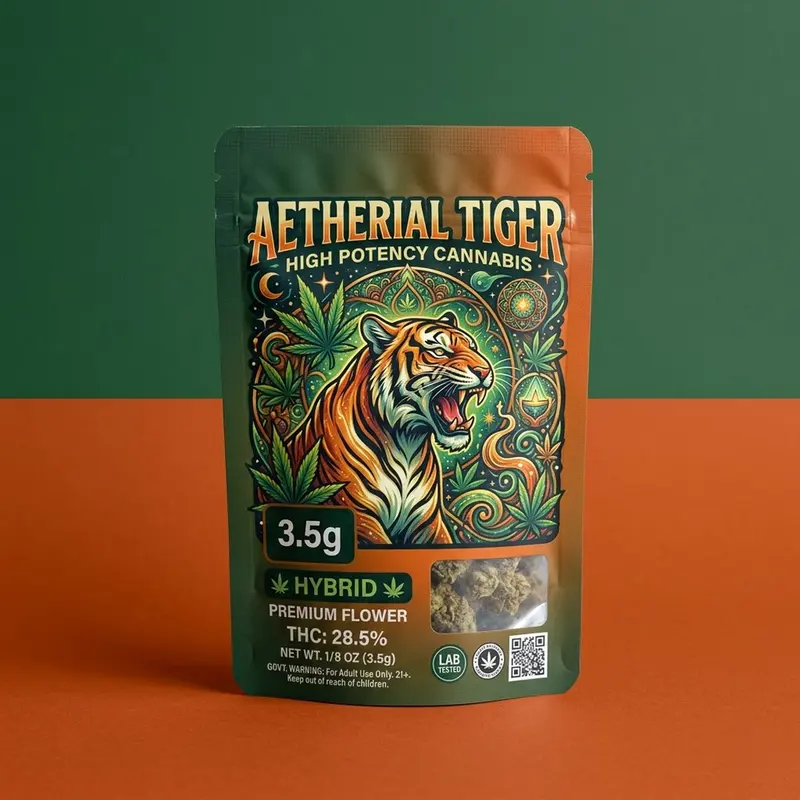
A resealable zip suits products opened repeatedly and adds real cost, so it is worth asking whether your product is actually used that way. A window sells the contents and reduces barrier area, which matters more on a long shelf life than a short one.
Get a price
Send the product details and the quantity you have in mind. We reply with a specification and a written price, usually within one business day.
Prices start from $0.30 per piece for large-volume orders. Final pricing depends on size, material, printing, finishes, and quantity.
No obligation
Send us the product details and quantity. We reply with a specification and a written price, usually within one business day.
Answers
Not currently, and it is better to be straight about it. The best barriers are multi-layer laminates, which resist recycling for the same reason they resist oxygen. Mono-material films recycle through store drop-off but give a shorter shelf life.
It depends on the specific film and product, but expect a meaningful reduction against a full laminate. If your product reaches customers quickly, the difference may not matter commercially at all.
Only if your product off-gasses — freshly roasted coffee is the main case. Without a valve the bag inflates. For anything that does not off-gas, a valve adds cost and does nothing.
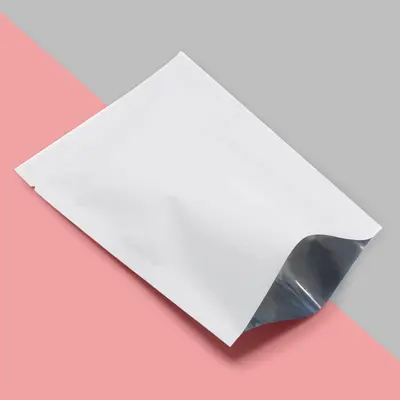
Stand-up pouches present better on a shelf and hold more for their footprint; flat pouches are cheaper and post more easily. If the product is sold online rather than shelved, flat often wins.
Yes, and it sells the contents effectively. It does reduce the barrier area though, so on a long shelf life it is a real trade rather than a free addition.
Only if the product is genuinely opened repeatedly. For single-use portions it adds cost and no benefit, and it is one of the more common over-specifications in this category.
Only if your customers can actually compost them, which usually means industrial facilities rather than a home heap. They also give the shortest shelf life of the options.
A flat 100 units on any format, which suits a single-origin or limited-edition run well.
Yes — print a common base pouch and apply a variable label per variant. It is considerably cheaper than a separate print run for each.
From $0.30 per piece at large volumes. Barrier film, valves and zips each add cost, and we quote the material options side by side so the trade-off is visible.
Related ranges
Next step
Send the product dimensions and the quantity you need. We come back with a specification, a lead time and a written price.