
Min. 100 units · 3–5 days
13 made-to-order formats
Apparel moves in cartons out of habit. For most non-fragile soft goods a flat format removes both volume and weight, and the freight saving lands on every parcel.

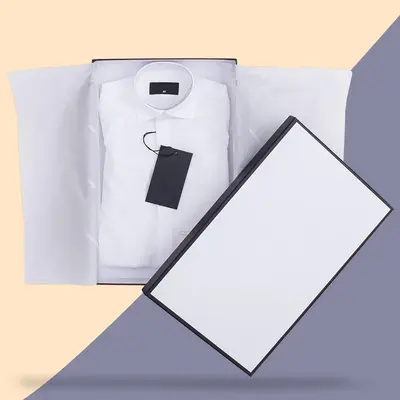
A garment sold in store wants presentation: a box that opens well, tissue, a closure that feels considered. A garment shipped to a customer wants the smallest, lightest thing that arrives uncreased.
Trying to do both with one pack usually means paying shipping on retail presentation. A shared visual system across two formats costs less and works better in each channel.
What suits each way of selling.
| Channel | Format | Why |
|---|---|---|
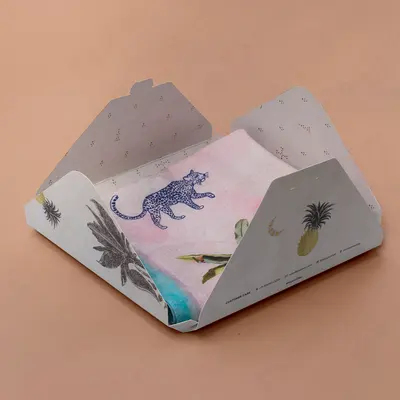
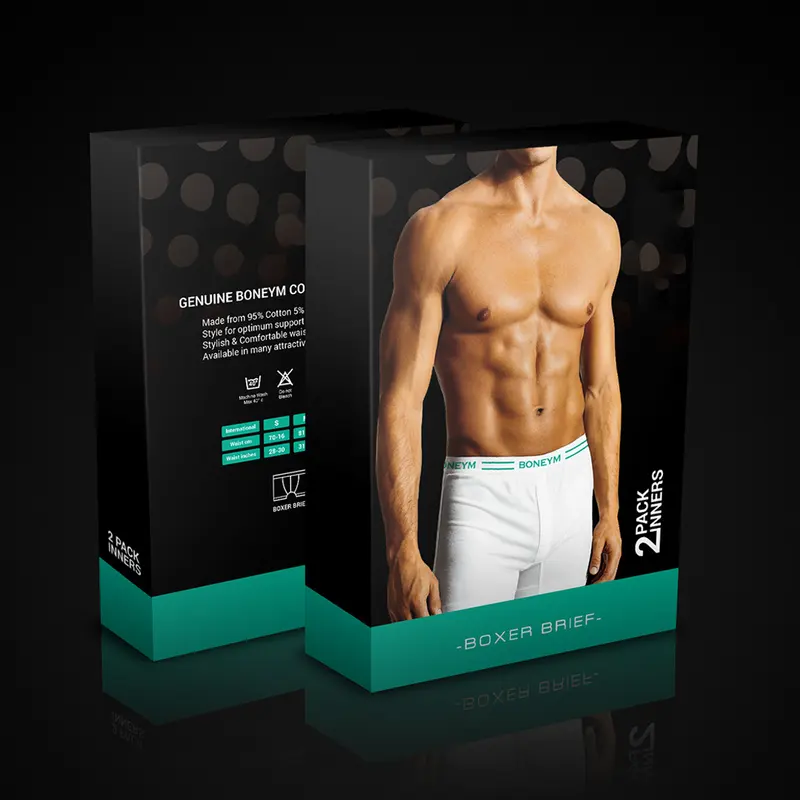
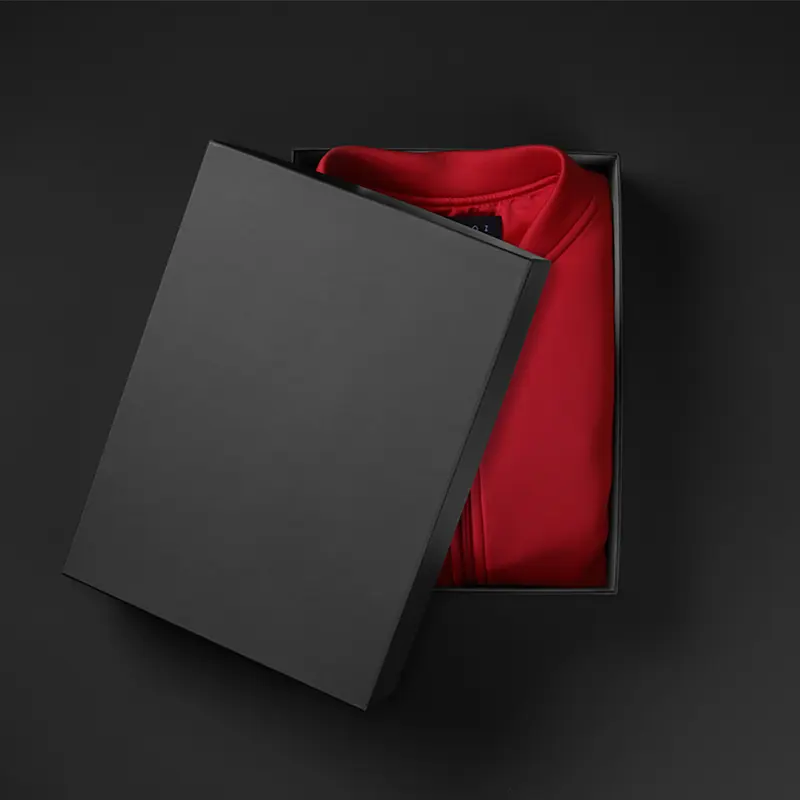
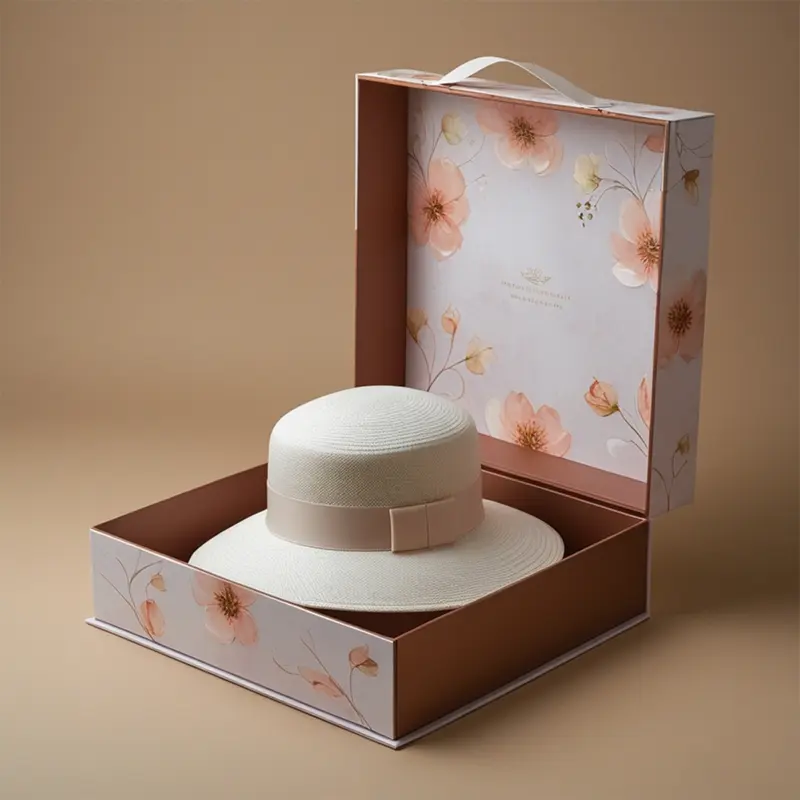
| Retail shelf or rail | Folding carton or garment box | Presentation and stacking |
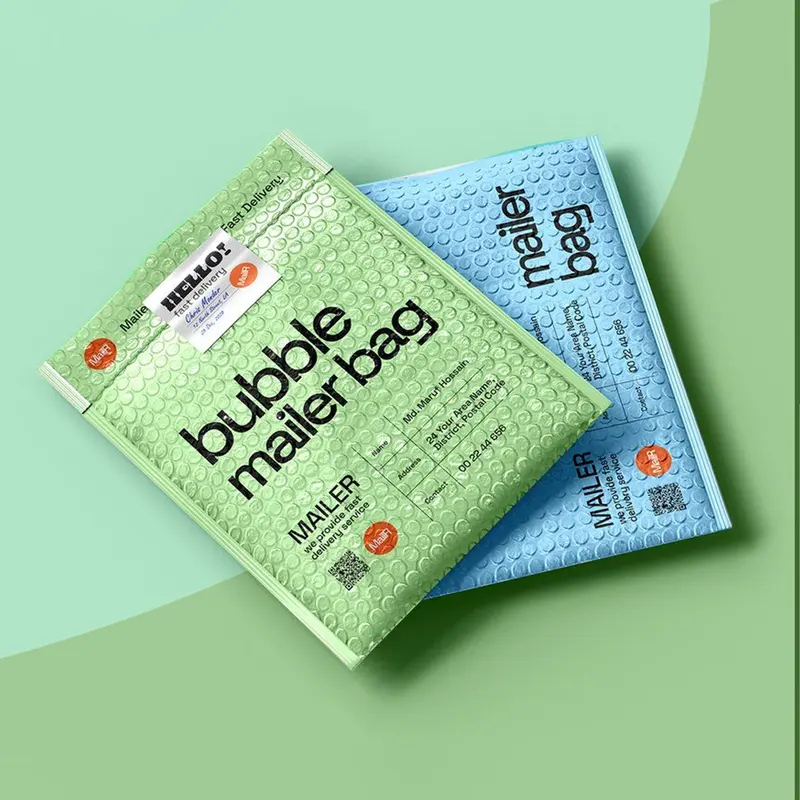
| Direct despatch, non-fragile | Flat poly or paper mailer | Lowest dimensional weight |
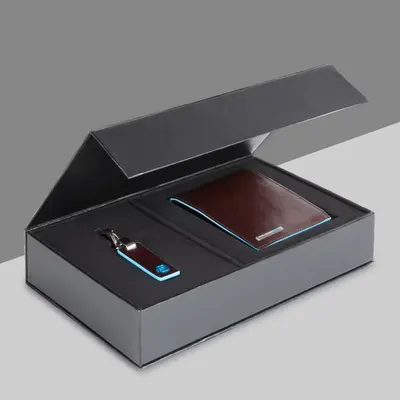
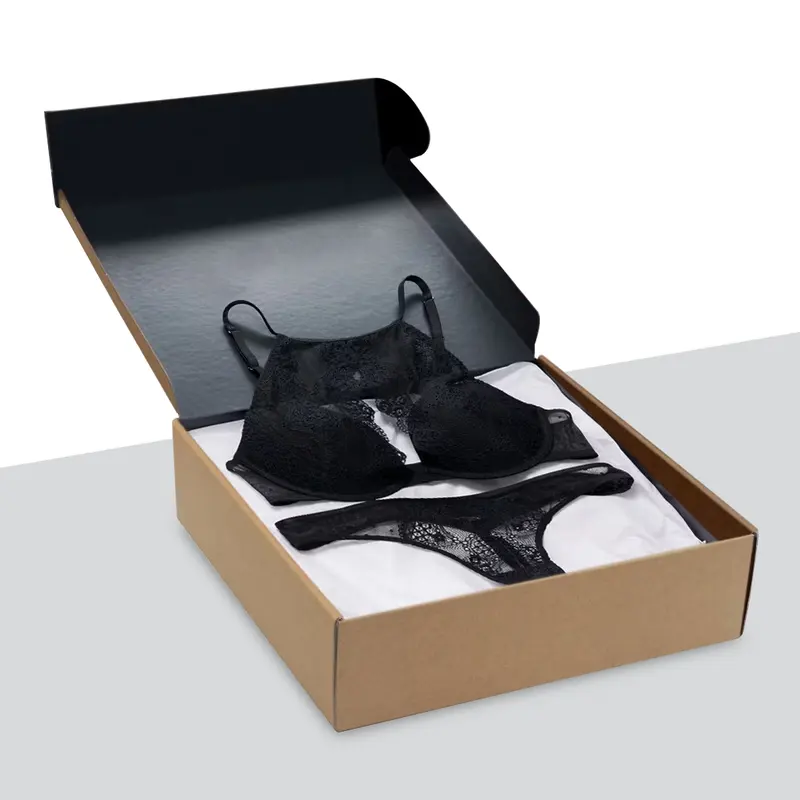
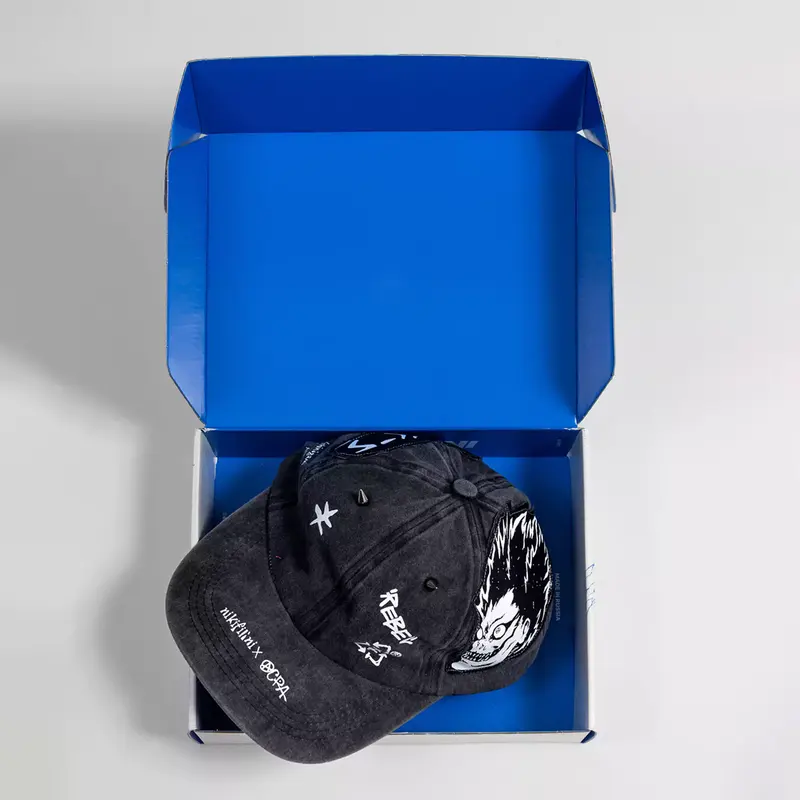
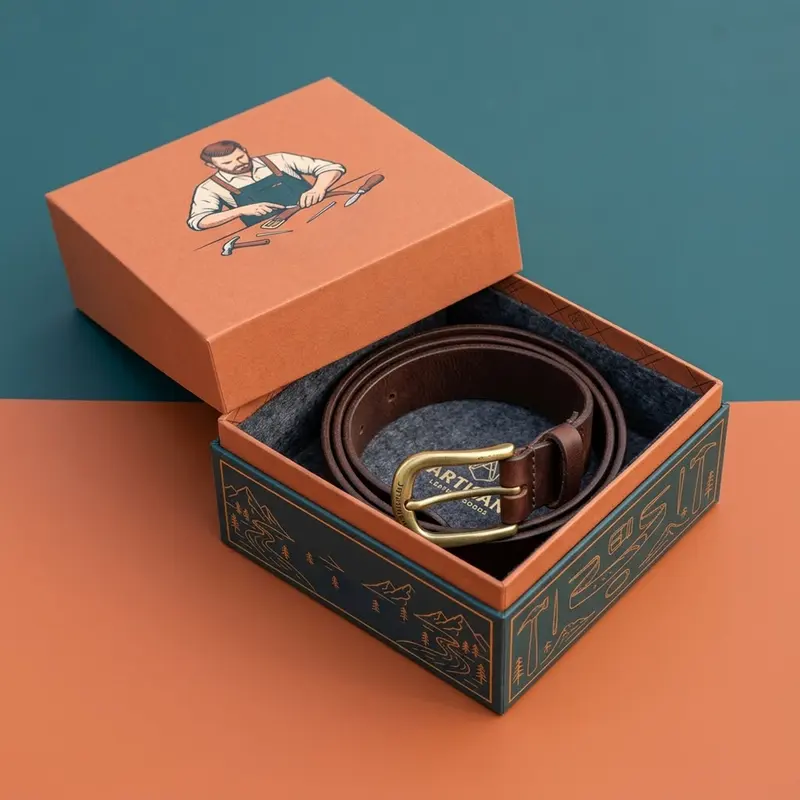
| Direct despatch, premium | Rigid or corrugated mailer box | Unboxing carries the brand |
| Wholesale to stockists | Plain corrugated with polybags | Protection only, no print needed |
Damage in apparel is rarely torn or crushed goods; it is a garment that arrives creased in a way the customer reads as careless. That is a folding and fit problem rather than a strength problem.
A pack sized so the folded garment does not shift, with tissue where the fold lines fall, does more for perceived quality than a heavier board ever will.
The range
No format matches that. Try a shorter word, or describe what you need in a quote request.
Specification
Soft goods rarely need structural strength, so budget shifts from board grade to print and finish. Our guide to packaging board and film grades compares them on strength, print quality and cost.
Run length usually decides this. Digital wins on shorter quantities because there is no plate cost; beyond that, offset and flexo overtake it on price per unit.
Finishes are applied in the same production run. Each one adds a step, so we price them individually rather than bundling them into the base rate.
Most orders here come from apparel and accessories, e-commerce and dtc, retail and grocery brands.
Specification builder
Set what you know, leave the rest. Everything here travels with your request, so nothing gets retyped.
Drag to rotate
Recent work
The apparel work we quote most.
Get a price
Send the product details and the quantity you have in mind. We reply with a specification and a written price, usually within one business day.
Prices start from $0.30 per piece for large-volume orders. Final pricing depends on size, material, printing, finishes, and quantity.
No obligation
Send us the product details and quantity. We reply with a specification and a written price, usually within one business day.
Answers
Very often, yes. Soft goods move in cartons out of habit rather than need. A flat mailer removes both volume and weight, and for non-fragile items the protection is usually sufficient.
Size the pack so the folded garment cannot shift, and place tissue where the fold lines fall. Creasing is a fit problem, not a strength problem, and a heavier board does nothing for it.
Rarely well. Retail wants presentation; shipping wants the smallest lightest thing that arrives uncreased. A shared visual system across two formats usually costs less and performs better in both.
We supply printed poly mailers and can advise on garment polybags, though for wholesale protection a plain unprinted bag inside a corrugated outer is usually the sensible route.
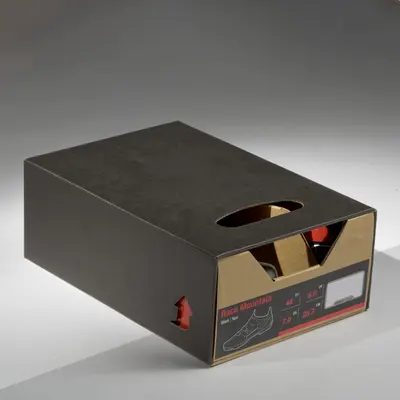
Yes. Shoe boxes are a rigid or folding structure sized to the last, and they normally need a separate shipping outer — a shoe box is not built to survive a carrier network alone.
For direct-to-consumer, often yes — apparel is a category where the unboxing carries real brand weight. For wholesale shipments to stockists, usually not.
A flat 100 units on any format, which suits a drop or a single style before committing across a range.
Yes. Paper mailers and recycled board are both available, and for soft goods they perform close to poly. If a recyclability claim matters, paper is the easier one to defend.
Consolidate to as few pack sizes as the range genuinely needs. Most apparel brands run more sizes than necessary, which adds purchasing and pick complexity for little benefit.
From $0.30 per piece at large volumes. Flat mailers sit at the lower end; garment and rigid boxes considerably higher because of material and assembly.
Related ranges
Next step
Send the product dimensions and the quantity you need. We come back with a specification, a lead time and a written price.