Quick-service food
Multi-site operators buying cups, trays and carriers in bulk. Grease resistance and stacking behaviour at the counter matter more than finish.
Texas · United States
Texas orders arrive larger than the coastal average and they sit in warmer warehouses. Both facts change the specification, and both are worth settling before we cut a die.
What we are usually asked to quote, and the constraint that decides the specification.
| Buyer | Typical order | Constraint that decides it |
|---|---|---|
| Quick-service chain | 25,000+ cups or trays | Grease resistance and unit cost at volume |
| Barbecue and smokehouse | Heavy-duty trays and carriers | Load weight and moisture from hot contents |
| Fulfilment operator | Pallet quantities of mailers | Dimensional weight and carrier survival |
| Industrial supplier | Corrugated shippers with inserts | Protection and barcode placement |
| Retail brand | Cartons with heat-stable coating | Summer warehouse temperature |
Two things separate a Texas brief from a comparable one on either coast. Order quantities tend to be larger, because food-service operators here buy for multiple sites and fulfilment operations along the I-35 corridor buy in pallet quantities rather than carton quantities. That pushes most jobs past the point where offset or flexo beats digital on unit cost.
The second is storage temperature, and it is the one buyers underestimate. It changes which coating we recommend, not whether the job can be done.
Summer heat is a genuine specification issue in Texas rather than a talking point. Warehouses that reach 100°F soften some laminating adhesives, and cartons stacked on a pallet through July and August can bond face to face where the film touches. The damage shows up when the pallet is broken down, long after the run has been signed off.
The fix is cheap if it is decided early: a heat-stable adhesive on laminated stock, or an aqueous coating instead of a film laminate where the finish allows. If your stock sits in an unconditioned warehouse for any part of the year, tell us and we will specify accordingly.
Food service across Houston, Dallas and San Antonio accounts for the largest share, with fulfilment volume close behind.
Multi-site operators buying cups, trays and carriers in bulk. Grease resistance and stacking behaviour at the counter matter more than finish.
A distinctly Texan category with distinctly awkward packaging: heavy, hot, greasy contents that punish an under-specified board.
Parts and consumables that need protective corrugated rather than retail presentation, often with barcode placement dictated by an internal system.
The I-35 spine between San Antonio and Dallas carries a growing concentration of third-party fulfilment operations buying mailers by the pallet.
Ground freight into Texas typically runs 5 to 7 business days. Dallas and Houston both take palletised deliveries without difficulty, and both sit on enough freight capacity that consignment size rarely causes a problem.
The distances inside the state are the thing to plan for. El Paso is closer to San Diego than to Houston, so a single Texas order delivered to several sites is not one freight leg but several. Tell us the split at quoting rather than after the run.
Weighted toward food service and fulfilment, which is where the volume sits.
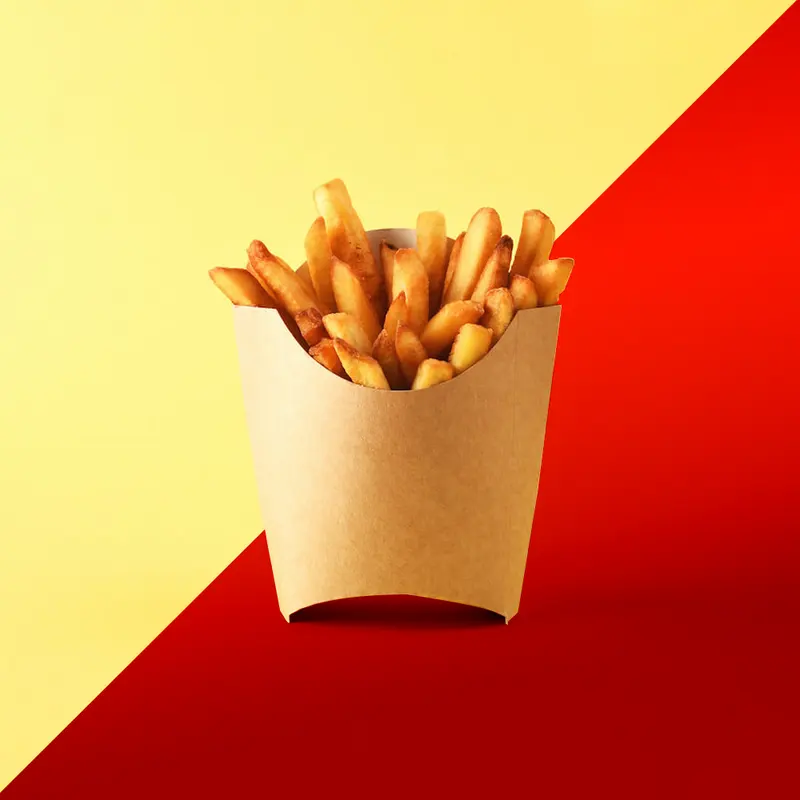 Custom Food Packaging 34
 The largest category we quote into Texas, from takeout cartons to carriers.
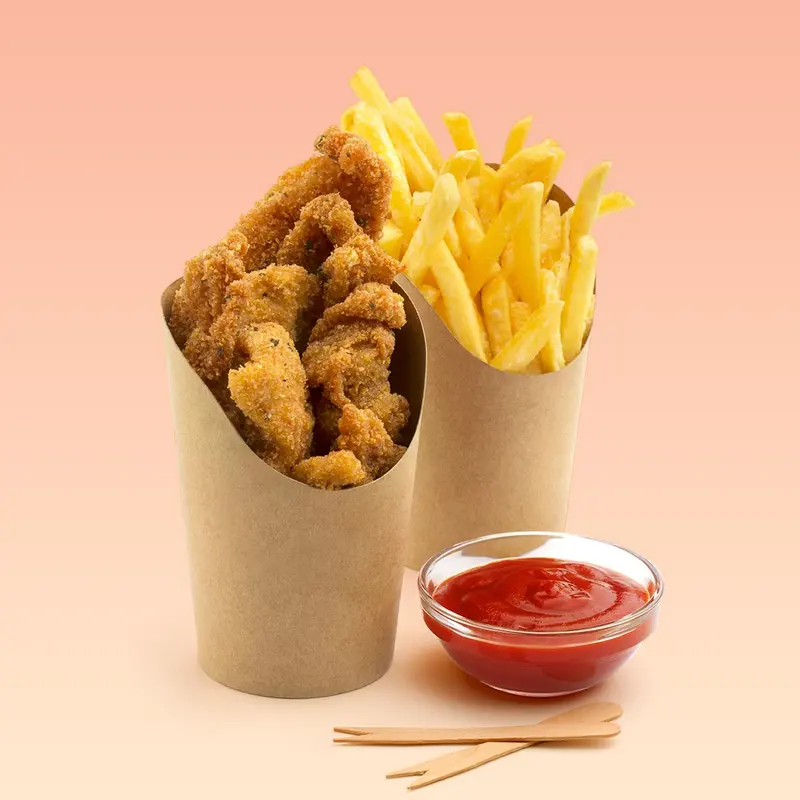 Custom Printed Cups 22
 Multi-site quick-service operators buying at volume.
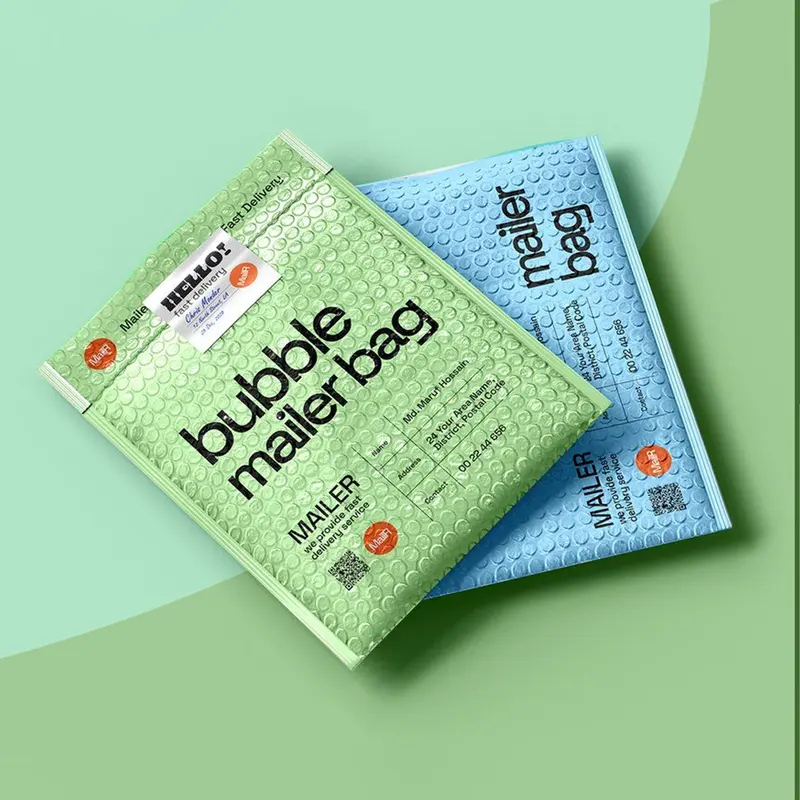 Custom Mailers 32
 For the fulfilment corridor between San Antonio and Dallas.
 Custom Food Trays 12
 Built for heavy, hot and greasy contents rather than dry goods.
Send the dimensions, the annual or per-drop quantity, and where the stock will sit between delivery and use. That last detail is the one that changes our coating recommendation.
At Texas volumes the print route is usually worth a conversation. Digital removes the plate cost on short runs, but most orders we quote into the state are past the crossover point where offset or flexo is cheaper per unit.
Get a price
Send the quantity, the drop locations and where the stock will be stored. We will come back with a specification, a coating recommendation and a written price.
No obligation
Tell us what you are packing, how many you need and where it should land.
Answers
Specification, freight and ordering detail for buyers in Texas.
It can. Above roughly 100°F some laminating adhesives soften enough that stacked cartons bond where the film touches. It is avoidable: specify a heat-stable adhesive, or use an aqueous coating instead of a film laminate. Tell us if your stock sits in an unconditioned warehouse.
Yes, and it is common here because operators run several locations. Texas is large enough that each drop is a separate freight leg, so give us the split at quoting and we will cost it properly rather than revising it later.
Above roughly 1,000 units offset or flexo usually beats digital, because the plate cost spreads across more pieces. Most Texas orders we quote are past that point. Below it, digital removes the plate cost entirely.
Yes. Greaseproof papers and grease-resistant coatings are standard options across our food formats. For barbecue and other hot, heavy contents we usually recommend a heavier board as well, because moisture from hot food softens an under-specified tray before grease does.
We manufacture through our production partners and ship direct — there is no office or warehouse in Texas. Everything is made to order and shipped to your address, which is why we quote freight separately rather than folding it into a unit price.
Production takes 3 to 5 business days after artwork approval, then ground freight into Texas is typically 5 to 7 business days. Both cities take palletised freight without special arrangement.
A flat 100 units on any format, the same as anywhere else. Most Texas enquiries are well above it, but the minimum exists so you can test a structure before committing to a bulk run.
Yes. Where packaging touches food directly we specify food-contact compliant boards and inks. Tell us whether contact is direct or through a liner, because it changes which stocks are available to you.
Yes. Send the symbology, the required size and the face it must appear on. Getting this right at dieline stage avoids the common problem of a barcode landing across a crease where scanners fail.
From $0.30 per piece at large volumes, with the final figure driven by size, material, printing, finishes and quantity. Texas quantities often reach the volume bands where unit cost falls sharply.