Restaurants and cafés
Takeaway and delivery formats where heat retention through a cold walk matters more than in warmer cities.
Boston · Massachusetts
Boston food businesses operate in tight premises with narrow streets and a hard winter. All three shape what packaging actually works here.
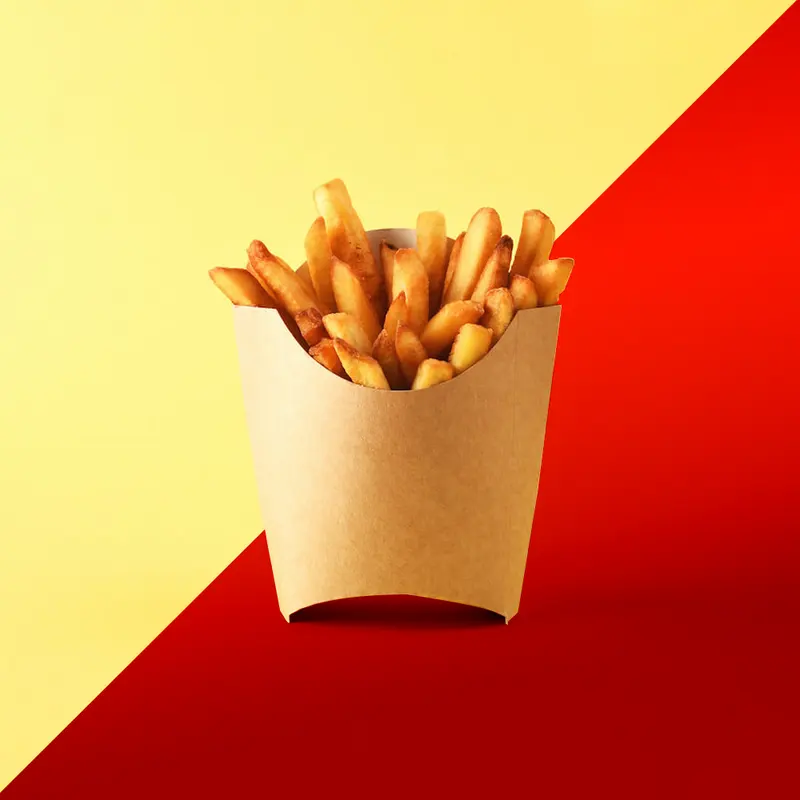
Boston food businesses are typically operating in less space than their volume suggests, which affects packaging as much as any culinary decision.
Takeaway and delivery formats where heat retention through a cold walk matters more than in warmer cities.
Presentation boxes with windows and inserts, where the product must arrive intact after being carried.
Leak and moisture resistance as a baseline requirement rather than an upgrade.
High-volume operations buying against an academic calendar with predictable peaks.
A takeaway container that performs well in a mild climate can disappoint in a Boston February, because the food is losing heat for the whole walk. Board thickness contributes a little, but the larger factors are the amount of trapped air, the fit of the lid, and whether the pack vents.
There is a genuine tension: venting stops food going soggy but lets heat escape. Which side to favour depends on the dish, and it is worth deciding deliberately rather than accepting whatever the stock container happens to do.
Choosing deliberately rather than by default.
| Dish type | Priority | Structure |
|---|---|---|
| Fried and crisp items | Venting | Perforated or vented lid |
| Soups and wet dishes | Heat and seal | Sealed lid, no venting |
| Baked goods | Moisture control | Partial venting with a liner |
| Cold items | Neither | Standard closure |
Chosen for small premises and cold walks.
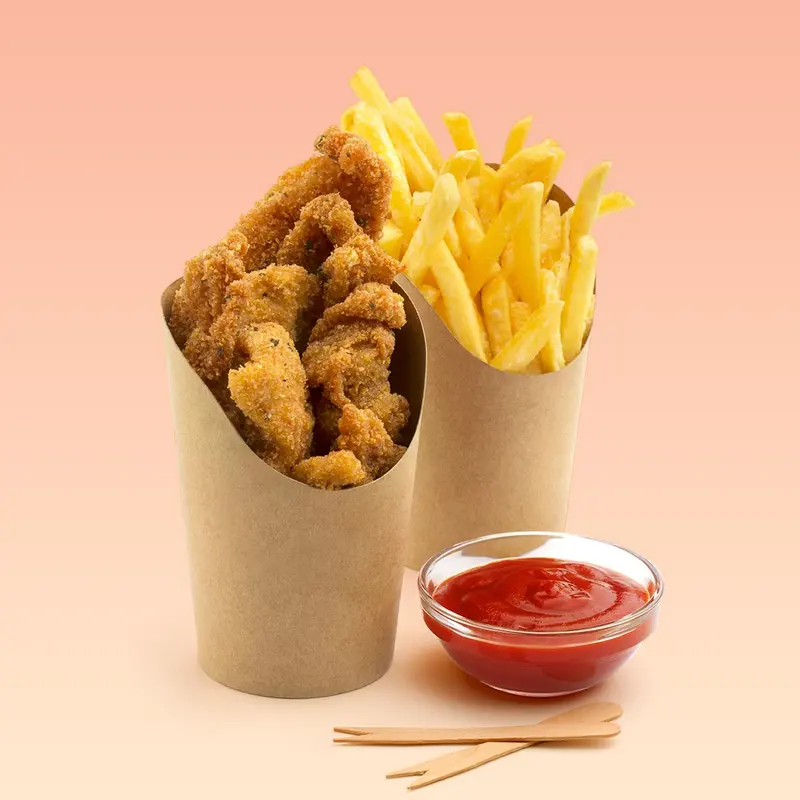
Custom Food Packaging 34 Takeaway formats specified around venting and heat retention.
 Custom Printed Cups 22
 Hot drinks, where heat retention is the whole point.
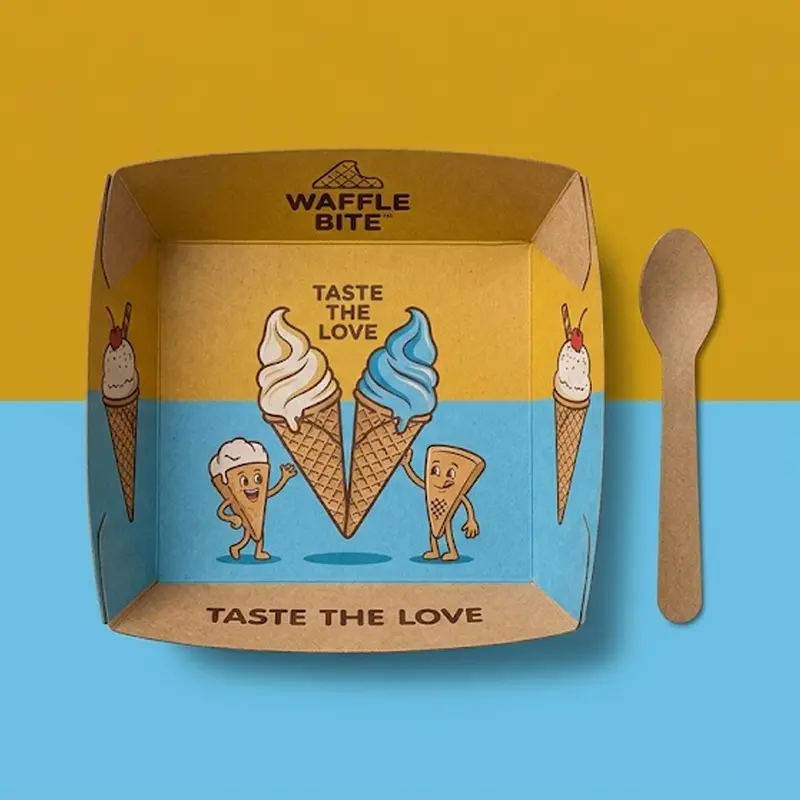 Custom Food Trays 12
 For heavier dishes that punish a light board.
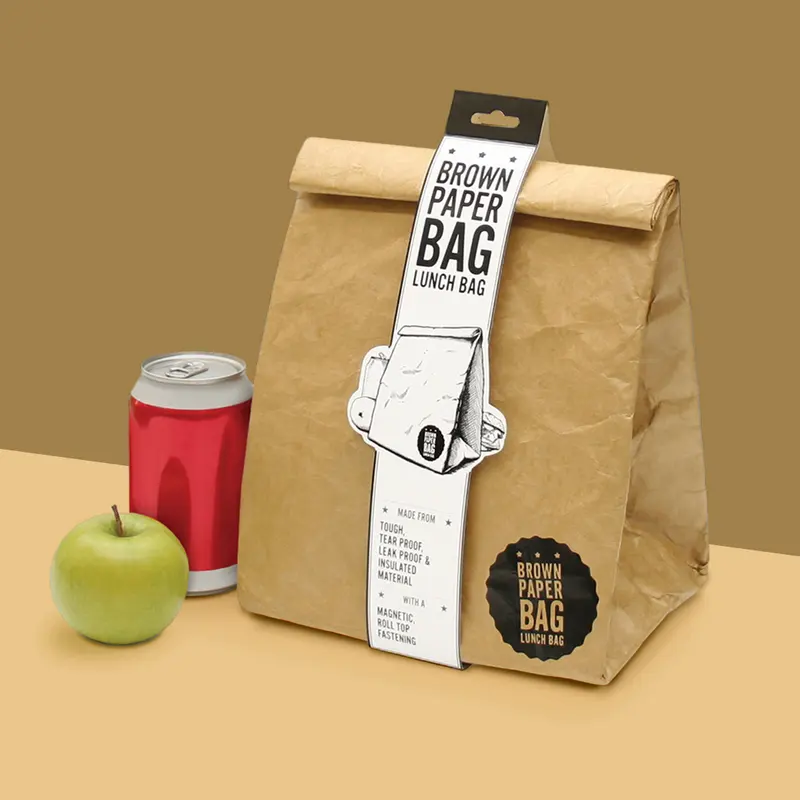 Custom Bags 27
 Carry-out bags that hold a full order in bad weather.
Boston kitchens are small. These help.
Ground freight reaches Boston in 5 to 7 business days. Delivery into the city itself can be awkward — narrow streets, restricted hours and limited kerbside access are all common.
For most food businesses a few cartons rather than a pallet solves it. Tell us the premises type and we will pack the consignment to suit.
Tell us the dishes involved and whether they travel by courier. Fried items and wet dishes want opposite things from a lid.
Tell us your storage capacity too, so we can schedule deliveries rather than overwhelming a small stockroom.
Get a price
Tell us the dishes and your storage capacity. We will choose venting and closure per dish and schedule deliveries to fit.
No obligation
Tell us what you are packing, how many you need and where it should land.
Answers
Specification, freight and ordering detail for buyers in Boston.
Reduce trapped air, use a well-fitting lid, and vent only where the dish needs it. Board thickness helps a little but fit and venting matter more. Crisp foods need venting; wet dishes are better sealed.
It depends on the dish. Venting prevents sogginess in fried items but lets heat escape, which is a real cost on a cold walk. Soups and wet dishes are usually better sealed. It is worth deciding per dish rather than accepting a default.
Yes. We produce the run and schedule drops against your capacity, which is standard for Boston food businesses.
We manufacture through our production partners and ship direct — there is no office or warehouse in Boston. Production runs through our manufacturing partners and ships to your address.
For most food businesses we ship cartons rather than a pallet, which can be received normally. Tell us the premises type at quoting.
Ground freight is typically 5 to 7 business days after the 3 to 5 business days of production.
A flat 100 units on any format, enough to test a container through real deliveries before committing.
Yes. Leakage needs a wet-strength board with a barrier rather than a surface coating alone, which handles condensation but not bulk liquid.
Yes, and it is much cheaper than a new structure. Keep the container and change the artwork, or use a plain base with a printed sleeve for frequent changes.
From $0.30 per piece at large volumes. Grease-resistant coatings add a little; heavier boards for hot, heavy dishes add more.