Supplements and nutrition
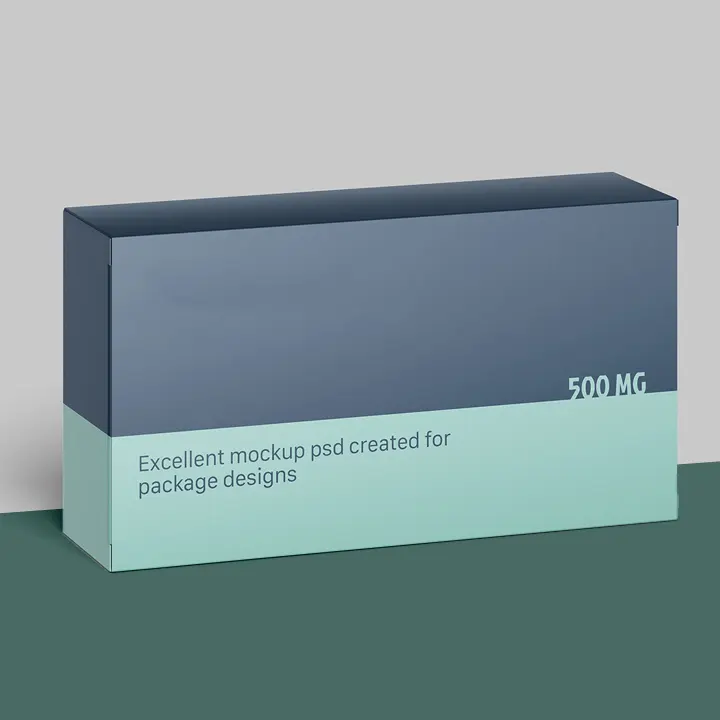
Cartons with substantial regulatory copy, usually stored in bulk and assembled in batches — which is exactly where crease cracking shows up.
Arizona · United States
Arizona is the opposite problem to Florida. Board does not soften here, it dries out — and dry board cracks at the crease instead of folding.
Everyone expects heat to be the Arizona problem, and it is one — the same laminating adhesives that soften in a Texas warehouse soften here. But the more common failure is quieter. Paperboard held in very low humidity loses its natural moisture content and becomes less pliable, and a carton creased for normal conditions will crack along the fold instead of bending cleanly.
It shows up at the point of assembly rather than in transit, which means it is usually your team that finds it, mid-run, with a deadline. Deeper creasing and a board with slightly higher residual moisture both help, and neither costs much when specified upfront.
Heat and dryness arrive together in Arizona, so the two adjustments usually belong together: a heat-stable coating and a crease specification suited to dry board. Specifying one without the other tends to trade one failure mode for the other.
As always, this only matters where the pack actually experiences those conditions. Conditioned storage removes both problems.
A large supplement sector and a semiconductor cluster around Phoenix generate most of what we quote.
Cartons with substantial regulatory copy, usually stored in bulk and assembled in batches — which is exactly where crease cracking shows up.
Component and device packaging with fitted inserts, often with electrostatic and cleanliness requirements alongside the structural ones.
Cups, carriers and takeaway formats across a hospitality sector that runs year-round.
Equipment packaging for a market where products are frequently displayed outdoors or in unconditioned retail space.
What we change, and when it is unnecessary.
| Format | Risk in Arizona conditions | Adjustment |
|---|---|---|
| Folding cartons | Cracking at the crease during assembly | Deeper crease profile, higher-moisture board |
| Laminated cartons | Adhesive softening above 100°F | Heat-stable adhesive or aqueous coating |
| Corrugated shippers | Generally unaffected | No change required |
| Labels | Edge lift on hot surfaces | High-temperature adhesive |
| Conditioned-storage stock | None | Standard specification |
Ground delivery into Arizona typically takes 5 to 7 business days. Phoenix takes palletised freight easily; Tucson and the smaller markets can add a day.
Summer delivery timing is worth a thought. A trailer sitting in a Phoenix yard in July gets very hot, so if you are receiving laminated stock in high summer, arranging a morning delivery slot is a small thing that helps.
Supplement and electronics formats lead here.
Wellness Packaging 2 Supplement cartons, the largest Arizona category we quote.
 Electronics Packaging 9
 Fitted protection for the semiconductor and device sector.
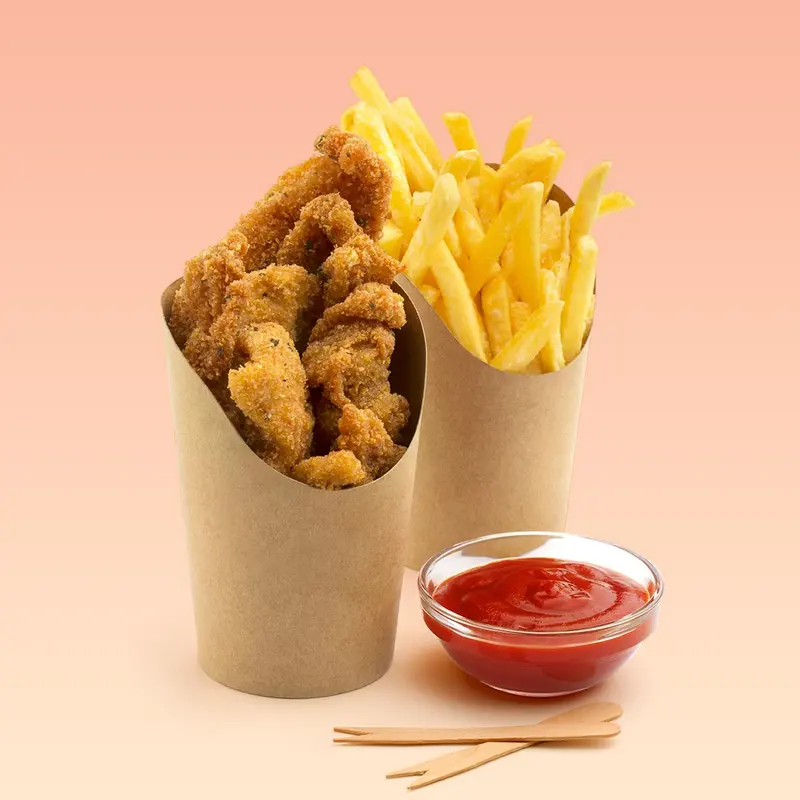 Custom Printed Cups 22
 Year-round food-service volume.
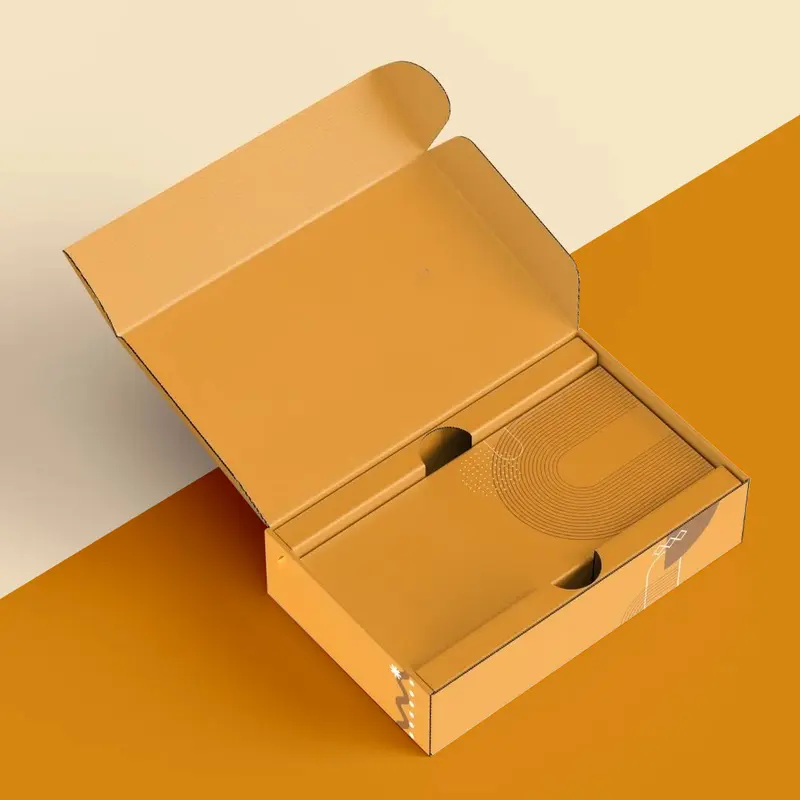 Custom Packaging Inserts 21
 Component protection where geometry drives the design.
Tell us how the cartons will be assembled — by hand in batches, or on an automatic erector. Crease behaviour matters far more on hand assembly, where a cracked fold is discovered one carton at a time.
Also tell us whether storage is conditioned. If it is, both adjustments become unnecessary and we will not charge you for them.
Get a price
Tell us how the cartons are assembled and whether storage is conditioned. We will set the crease profile and coating accordingly.
No obligation
Tell us what you are packing, how many you need and where it should land.
Answers
Specification, freight and ordering detail for buyers in Arizona.
Usually because the board has dried out. Paperboard held in very low humidity loses residual moisture and becomes less pliable, so it cracks along a crease profiled for normal conditions instead of bending. A deeper crease and a board with higher residual moisture both fix it.
Yes, the same way it does in Texas. Above roughly 100°F some laminating adhesives soften and stacked cartons can bond where the film touches. A heat-stable adhesive or an aqueous coating avoids it.
If the stock sits in unconditioned space, usually yes — the two conditions arrive together here, and fixing one leaves the other. In conditioned storage neither is necessary and we will not specify them.
We manufacture through our production partners and ship direct — there is no office or warehouse in the state. Production runs through our manufacturing partners and ships to your Arizona address.
Ground freight is typically 5 to 7 business days after production. Phoenix takes palletised deliveries easily; Tucson and smaller markets can add a day.
It changes how much crease cracking costs you. On an automatic erector a marginal crease produces a scrap rate; by hand it produces a slow, frustrating afternoon. We specify more conservatively for hand assembly.
A flat 100 units on any format, which is a sensible quantity for testing a crease profile before committing to a full run.
We can specify board and liners appropriate for electronics handling. Tell us the exact requirement your process operates under, since it varies considerably between component types.
General-purpose label adhesive can lift at the edges on a hot surface. If labels are applied to product that will sit in heat, we specify a high-temperature adhesive.
From $0.30 per piece at large volumes. The climate adjustments add very little — a crease profile change costs nothing, and a heat-stable adhesive is a small premium.