Outdoor and recreation
Equipment and apparel packaging for a market that expects minimal, recyclable presentation and still needs carrier durability.
Colorado · United States
Colorado combines two conditions that each affect packaging and rarely appear together: very low humidity, and enough altitude change in transit to matter for anything sealed.
Dry air does the same thing here as in Arizona: board loses residual moisture and becomes less pliable, so cartons creased for normal conditions can crack at the fold during assembly. Deeper creasing and a board with higher residual moisture both help.
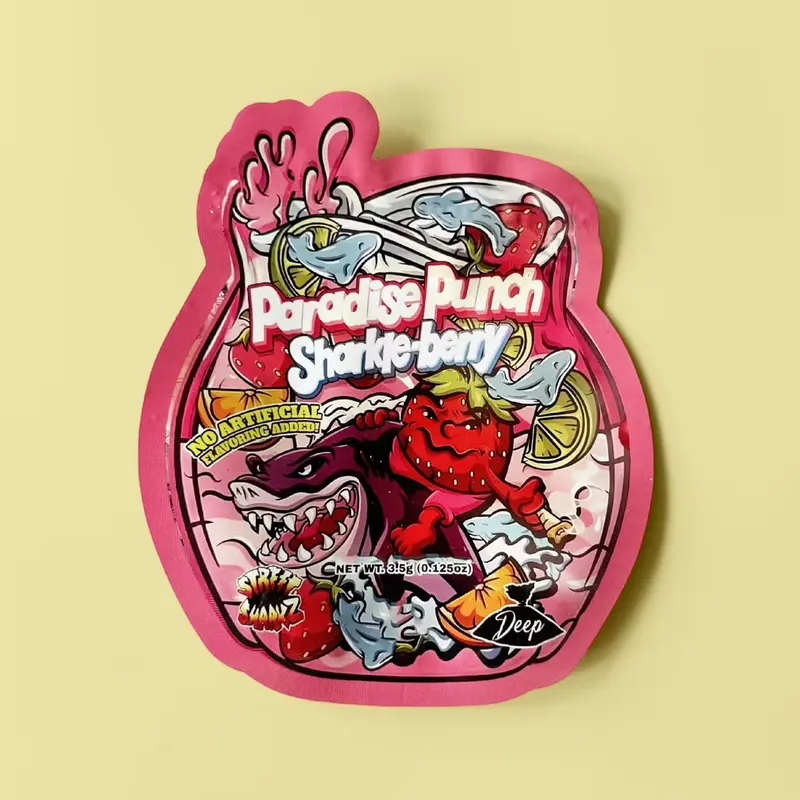
Altitude adds a second effect that only matters for sealed packs. A pouch or a sealed bag filled near sea level and shipped to Denver expands as external pressure drops, and one filled in Denver can look under-filled at sea level. Neither is a defect but both generate customer complaints, and headspace can be adjusted for the intended market if we know about it.
An outdoor industry cluster, a mature cannabis market and a dense natural-foods sector account for most enquiries.
Equipment and apparel packaging for a market that expects minimal, recyclable presentation and still needs carrier durability.
A mature regulated market with child-resistant closure and compliance panel requirements that constrain the dieline.
One of the densest brewery and distillery sectors in the country, with constant seasonal variants.
Boulder and the Front Range carry a significant natural-foods industry, where pouches and barrier formats dominate.
If you are running pouches or any sealed format, decide early which altitude your fill is calibrated for. A pack that looks correct on a Denver shelf may look puffed at sea level, and one calibrated for sea level can look slack at altitude.
For brands selling only regionally this is straightforward. For national distribution it becomes a compromise, and the right answer is usually to calibrate for the larger market and accept the appearance in the smaller one.
Five questions that avoid a batch of complaints.
Pouches, cannabis and beverage formats lead.
Custom Pouches 27 The dominant natural-foods format, and the one altitude affects most.
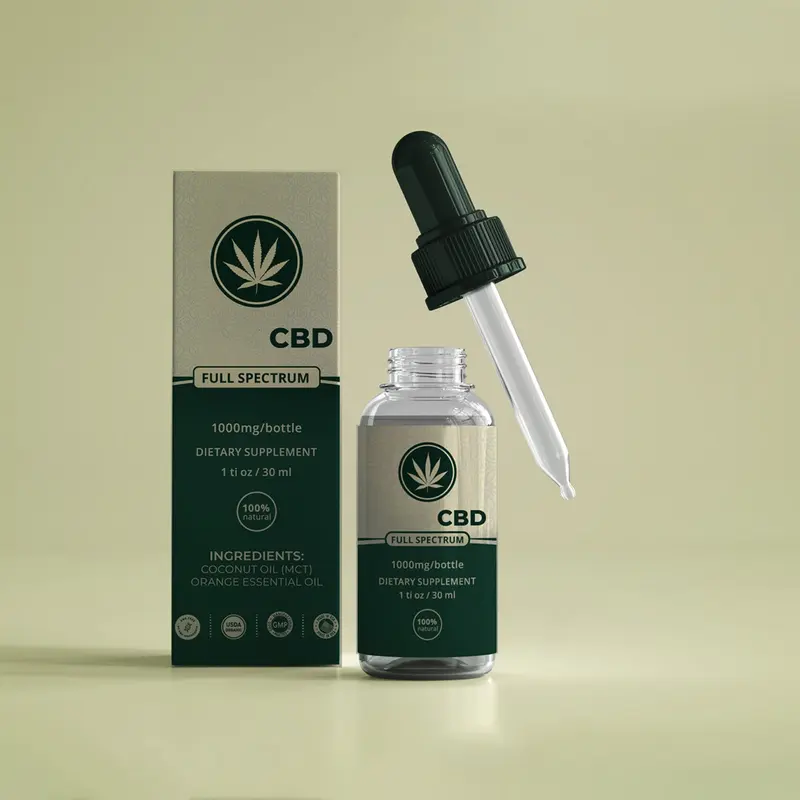 Custom CBD Packaging 4
 Structures built around closure and compliance requirements.
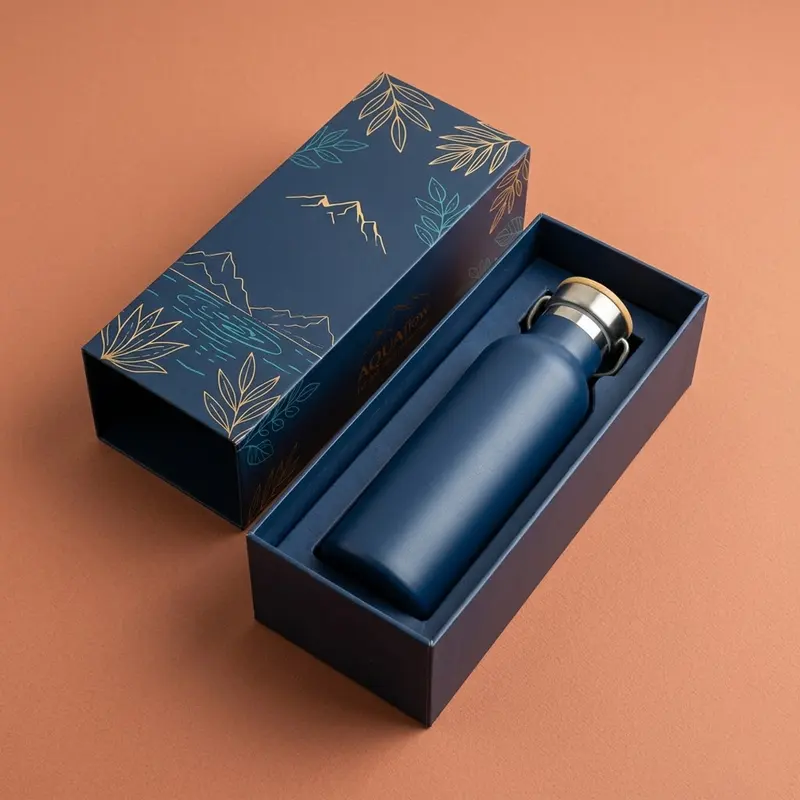 Custom Beverage Packaging 11
 Carriers and sleeves for a dense craft sector.
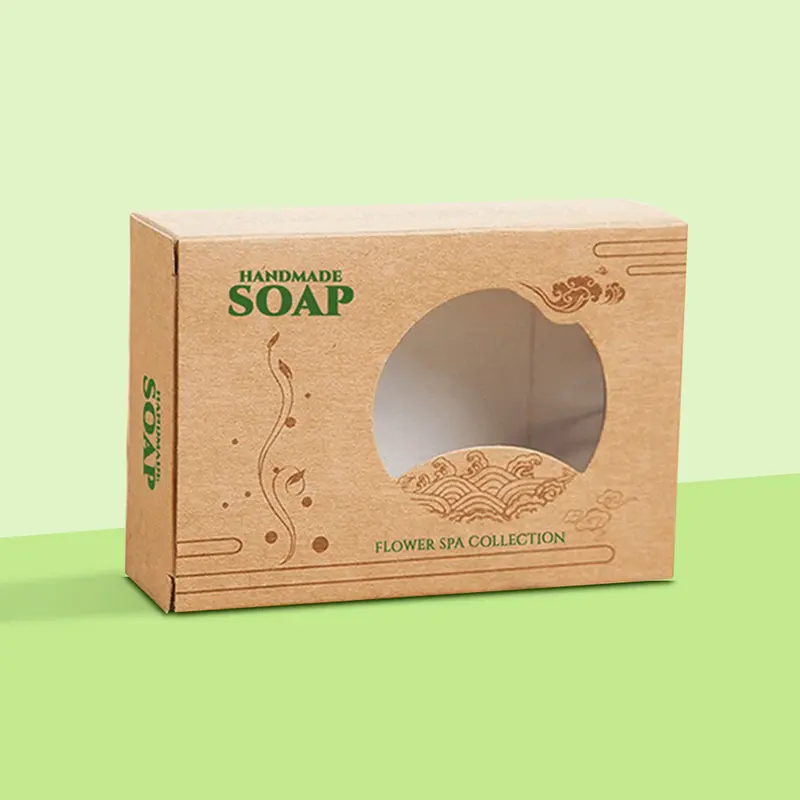 Sustainable Packaging 6
 Recycled and recyclable stocks for the outdoor market’s expectations.
Which conditions affect what.
| Format | Affected by | Adjustment |
|---|---|---|
| Folding cartons | Dry air | Deeper crease profile |
| Sealed pouches | Altitude change | Headspace calibrated to the target market |
| Corrugated shippers | Neither, materially | Standard specification |
| Labels | Dry air | Adhesive suited to low humidity |
| Rigid boxes | Dry air, mildly | Standard specification usually fine |
Ground delivery into Colorado typically takes 5 to 7 business days. The Front Range corridor from Fort Collins through Denver to Colorado Springs takes palletised freight without difficulty.
Mountain destinations west of the Front Range are a different matter, particularly in winter. If your delivery address is in the high country, tell us and we will plan the consignment size around access rather than assuming a standard pallet delivery.
Tell us where the product is filled and where the majority of it is sold. For sealed formats those two answers decide the headspace.
For cannabis work, send the current compliance requirement your licence operates under rather than a general description, since it constrains the structure before aesthetics do.
Get a price
Tell us where the product is filled and where most of it sells. For sealed formats that decides the headspace.
No obligation
Tell us what you are packing, how many you need and where it should land.
Answers
Specification, freight and ordering detail for buyers in Colorado.
Yes, for pouches and sealed bags. A pack filled near sea level expands as external pressure drops on the way to Denver; one filled in Denver can look slack at sea level. Neither is a defect, but both generate complaints, so headspace should be calibrated to the main market.
Low humidity dries the board and reduces its pliability, so a crease profiled for normal conditions cracks instead of bending. A deeper crease and a board with higher residual moisture both resolve it.
For products that off-gas, such as freshly roasted coffee, a one-way valve prevents the pack inflating. It is not a fix for altitude expansion in a non-gassing product, where headspace is the right lever.
We manufacture through our production partners and ship direct — there is no office or warehouse in the state. Production runs through our manufacturing partners and ships to your Colorado address.
We can produce child-resistant carton structures and rigid boxes with certified closures. Send the specific requirement your licence operates under, since compliance is verified against the regulations in force when the order runs.
Ground freight is typically 5 to 7 business days after the 3 to 5 business days of production. The Front Range corridor takes palletised freight easily.
Usually, but tell us in advance. High-country access, particularly in winter, often rules out a standard pallet delivery, and we will size the consignment around it rather than discovering the problem on the day.
A flat 100 units on any format. For sealed formats that is enough to run a fill trial and check how the pack presents at your target altitude.
Yes. Recycled paperboard, recyclable coated stock and certified compostable options are all available. They are three different claims with three different evidence requirements, so tell us which one you intend to print.
From $0.30 per piece at large volumes. The altitude and crease adjustments cost little or nothing; barrier films and compliance closures are what move the figure.