Biotech and laboratory
Specimen and reagent transport packaging, where the outer carton works with an insulated liner and a coolant, and the fitted insert prevents movement.
Maryland · United States
Maryland sends us more packaging briefs involving temperature control and specimen transport than any other state of its size. Those are structural problems before they are graphic ones.
A dense life-sciences corridor and a working seafood industry generate briefs with an unusual shared characteristic: both care about temperature.
Specimen and reagent transport packaging, where the outer carton works with an insulated liner and a coolant, and the fitted insert prevents movement.
Chesapeake seafood shipping needs moisture and leak resistance as a baseline, not an upgrade.
Suppliers working to written specifications, where documentation and exact compliance carry more weight than design.
Regional food and personal-care producers selling into Baltimore and the Washington corridor.
The carton is one part of a system. These decide how it is built.
We should be straightforward about scope: a paperboard or corrugated outer is not an insulating system. It carries, protects and identifies. The thermal work is done by the liner and the coolant inside it, and the outer’s job is to hold that system together and stay intact when condensation forms.
That distinction matters because we have seen buyers specify a heavier board expecting thermal benefit and get none. What a better outer does deliver is resistance to the moisture that a cold pack generates, which is a real and common failure point.
Three different wet problems with three different answers.
| Source | What fails | Specification |
|---|---|---|
| Condensation from coolant | Liner delamination | Coated inner liner |
| Leakage from contents | Board saturation | Wet-strength board plus a barrier |
| Ambient humidity | Loss of stiffness | Moisture-resistant coating |
| None of the above | Nothing | Standard specification |
Protective and moisture-resistant formats lead.
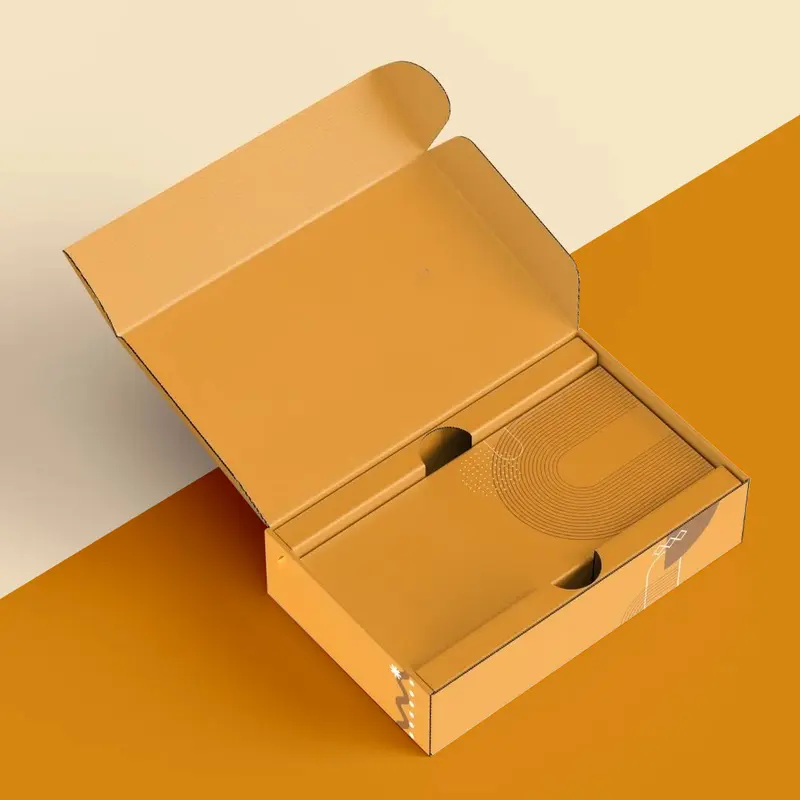 Custom Packaging Inserts 21
 Preventing movement inside a cold-chain or specimen shipper.
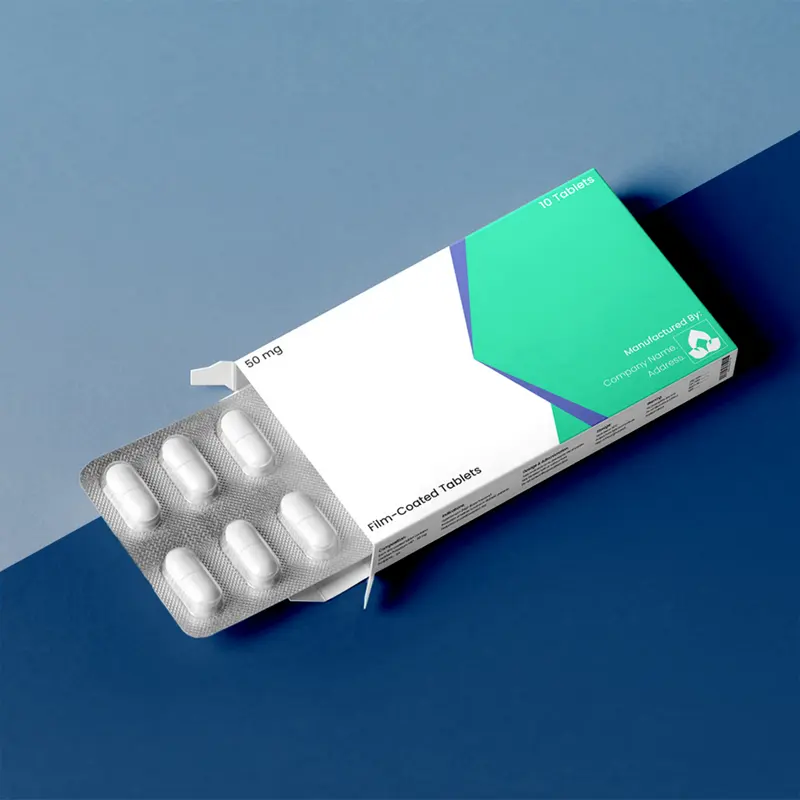 Pharmaceutical Packaging 2
 Where documented specifications and controlled artwork apply.
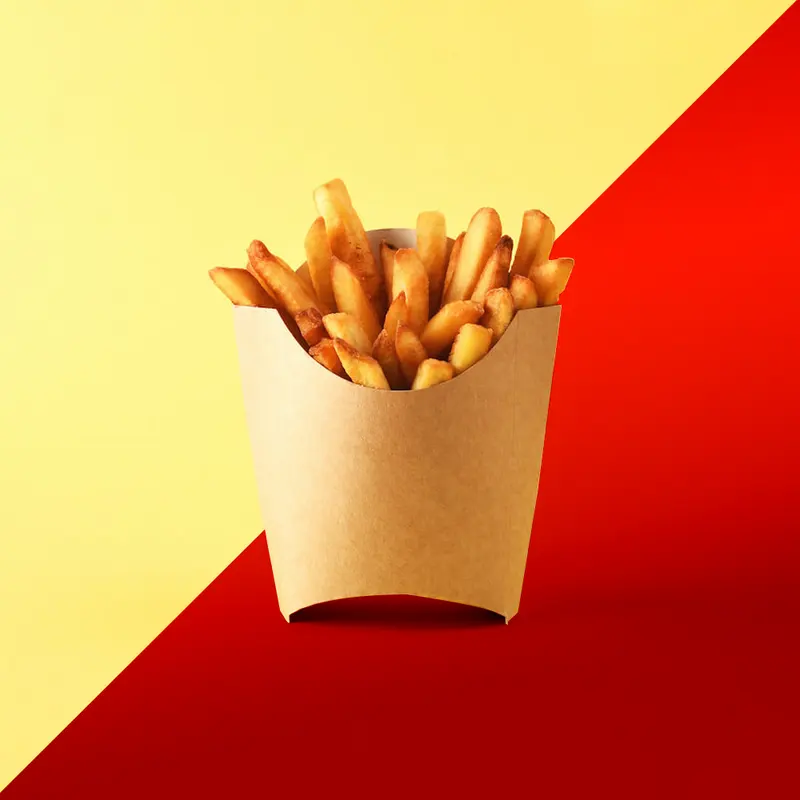 Custom Food Packaging 34
 Leak and moisture resistance for seafood and processed goods.
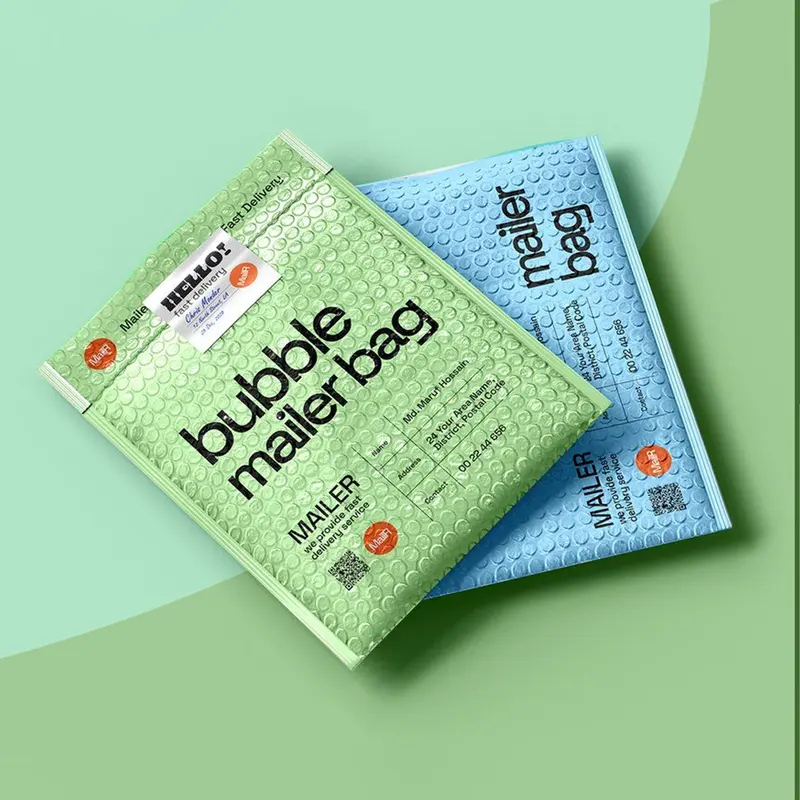 Custom Mailers 32
 For specialty consumer brands shipping direct.
Ground delivery into Maryland typically takes 5 to 7 business days. Baltimore and the Washington suburbs both take palletised freight without difficulty.
For cold-chain buyers, inbound freight speed for empty packaging is rarely the constraint. Scheduling is: if your shipping runs to a fixed weekly cycle, tell us and we will phase deliveries to match rather than sending everything at once.
For cold-chain packaging, describe the whole system — coolant type, hold time, insulated liner — not just the box. We will specify the outer to work with it.
For institutional supply, send the written specification itself. We quote against it as written.
Get a price
Describe the whole system — coolant, hold time, liner — and we will specify an outer built to work with it.
No obligation
Tell us what you are packing, how many you need and where it should land.
Answers
Specification, freight and ordering detail for buyers in Maryland.
No,. Paperboard and corrugated carry and protect; the thermal work is done by an insulated liner and a coolant. A heavier board adds no insulation. What it does add is resistance to the condensation that a cold pack generates.
One with a coated inner liner, because condensation forms on the inside. Standard uncoated liner delaminates from the flute over repeated cycles, which is the most common cold-chain packaging failure we are asked to solve.
Yes. Leakage is a different problem to condensation — it is bulk liquid rather than surface moisture — and it needs a wet-strength board with a barrier layer rather than a coating alone.
We manufacture through our production partners and ship direct — there is no office or warehouse in the state. Production runs through our manufacturing partners and ships to your Maryland address.
We quote against a written specification as issued, line by line. If a clause is impossible or contradicts another we will flag it specifically rather than substituting our own approach.
A fitted insert, cut to the geometry of what you are shipping. Most transport damage in specimen packaging comes from movement inside an otherwise intact box, and void fill is a poor substitute for a fitted cavity.
Ground freight is typically 5 to 7 business days after the 3 to 5 business days of production.
A flat 100 units on any format, which is a practical quantity for validating a cold-chain outer through a real shipping cycle first.
Yes. If your outbound shipping runs to a fixed cycle we can schedule packaging deliveries against it rather than sending a full run that you then have to store.
From $0.30 per piece at large volumes for standard formats. Coated liners and wet-strength boards carry a premium, and fitted inserts are priced by geometry rather than by area.