Automotive and industrial supply
Component packaging where part geometry drives the insert and repeated handling drives the board. Packs frequently move between heated and unheated space.
Michigan · United States
Michigan buyers ask about heat far less often than southern states and about cold far more. Both change the adhesive, and cold is the one people forget.

Adhesive behaviour is temperature dependent in both directions. Standard carton glue becomes brittle in sustained cold, and a glued seam that is perfectly sound at room temperature can crack when a pack is handled after sitting in an unheated warehouse or an overnight trailer at −10°F.
Corrugated behaves differently again: it does not become brittle, but repeated freeze-thaw cycling with condensation between them will delaminate the liner from the flute over time. Neither problem is expensive to design around — a cold-tolerant adhesive and a coated liner cover most cases — but both need to be specified rather than discovered.
Manufacturing supply chains and agriculture account for most of what we quote here, with a large craft beverage sector alongside.
Component packaging where part geometry drives the insert and repeated handling drives the board. Packs frequently move between heated and unheated space.
A significant production and processing sector, with cartons and trays specified around moisture and cold chain as much as around print.
One of the denser brewery sectors in the country, buying carriers, sleeves and labels with frequent seasonal changeovers.
Regional brands producing goods for national distribution, needing a retail carton and a protective outer together.
What changes when stock is stored or shipped through a Michigan winter.
| Format | Standard build | Michigan adjustment |
|---|---|---|
| Glued folding cartons | Standard carton adhesive | Cold-tolerant adhesive on the seam |
| Corrugated shippers | Uncoated liner | Coated liner to resist freeze-thaw delamination |
| Beverage carriers | Standard board | Barrier coating for condensation on chilled stock |
| Labels | General-purpose adhesive | Cold-apply or freezer-grade adhesive where relevant |
| Retail cartons in heated storage | Standard specification | No change needed |
The adjustment is not needed everywhere, and specifying it everywhere wastes money. What matters is the coldest point in the journey: a pack that is warehoused in a heated building and shipped in a heated trailer does not need a cold-tolerant adhesive, even in January.
Trace the route honestly. Overnight in an unheated trailer counts. An unheated overflow warehouse counts. A heated store room does not. Tell us which parts of the chain are unconditioned and we will specify only where it earns its cost.
Ground freight into Michigan typically takes 5 to 7 business days. Detroit and Grand Rapids both take palletised deliveries without difficulty.
Winter weather does occasionally close lanes across the Great Lakes region at short notice. If your date is fixed, tell us and we will build slack in rather than quoting the tightest possible schedule.
Protective and beverage formats lead.
Custom Packaging Inserts 21 Fitted protection for components moving through industrial handling.
 Custom Beverage Packaging 11
 Carriers and sleeves for a dense craft brewery sector.
 Custom Food Packaging 34
 For the state’s food production and processing base.
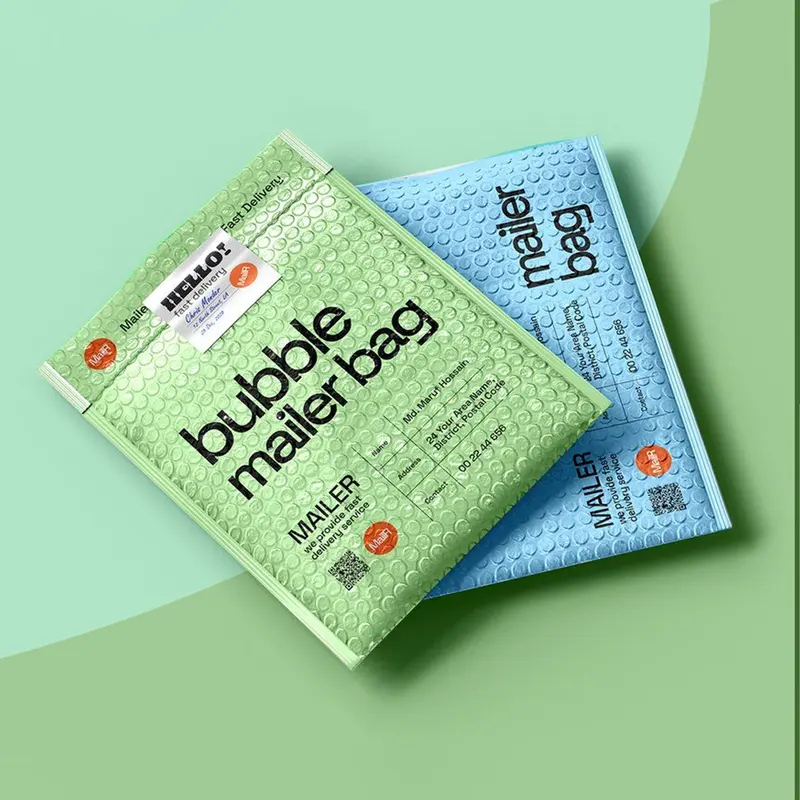 Custom Mailers 32
 Consumer brands shipping nationally from Michigan.
Five questions that decide whether the adjustment is worth paying for.
Send the product dimensions, the quantity, and where in the chain the pack sees unheated space. That last answer decides the adhesive and often the liner.
For repeat industrial lines we hold the agreed specification so reorders match exactly, which matters when a pack has been qualified against a handling process.
Get a price
Tell us where in your chain the packaging sees unheated space. We will specify the adhesive and liner around it and send a written price.
No obligation
Tell us what you are packing, how many you need and where it should land.
Answers
Specification, freight and ordering detail for buyers in Michigan.
Yes, but in a specific way. Standard carton adhesive becomes brittle in sustained cold, so a glued seam that is sound at room temperature can crack when the pack is handled cold. It is a real failure mode and a cold-tolerant adhesive prevents it.
Not from brittleness. The corrugated problem is freeze-thaw cycling with condensation between cycles, which gradually separates the liner from the flute. A coated liner slows it considerably.
Almost certainly not, and specifying it everywhere wastes money. It only matters where the pack sees genuinely unheated space — an unheated warehouse, an overnight trailer, a yard. Heated storage needs no adjustment.
We manufacture through our production partners and ship direct — there is no office or warehouse in Michigan. Production runs through our manufacturing partners and ships directly to your address.
Only with the right adhesive. General-purpose label adhesive does not key properly to a cold surface and will lift at the edges. If application happens below room temperature, tell us and we will specify a cold-apply adhesive.
Typically 5 to 7 business days after production. Winter weather occasionally closes lanes across the Great Lakes at short notice, so if your date is fixed we will build slack into the schedule.
A flat 100 units on any format, which is a practical quantity for trialling a cold-tolerant specification through one winter before committing a whole line.
Yes. Component packaging is usually driven by part geometry, so the fitted insert is the real design work and the outer follows. Send drawings or a sample part.
Yes, and it matters most for industrial buyers whose pack has been qualified against a handling process. We hold board, structure, adhesive, print method and dimensions so repeats match exactly.
From $0.30 per piece at large volumes. A cold-tolerant adhesive adds very little to a run, which is why we recommend it wherever the chain genuinely calls for it.