Food and confectionery
An established manufacturing cluster running repeat specifications at volume, where consistency between runs matters more than novelty.
Illinois · United States
Illinois is a distribution state before it is anything else. Most packaging we quote here has to survive a grocery chain, not just a shelf.
Very little in American freight moves without passing through Chicago, and that works in your favour. Palletised consignments into the metropolitan area typically arrive in 5 to 7 business days, and the density of carriers means capacity is rarely the constraint it can be in more remote markets.
The practical benefit is scheduling rather than speed. If a delivery date slips at your end, rebooking freight into Chicago is usually possible within a day or two, which is not true everywhere.
A large share of Illinois product moves through grocery distribution, and grocery buyers publish requirements that are not negotiable: case dimensions that fit their pallet pattern, a shelf-ready case that opens into a display, print on the faces their staff will see during replenishment.
The mistake we see repeatedly is designing the retail carton first and discovering the case requirement afterwards. Confirm your retailer’s planogram dimensions and case specification before we cut the structural die, because a 3 mm change to the primary pack can force a complete redesign of the case around it.
Chicago hosts a dense food and confectionery manufacturing base, and the surrounding distribution infrastructure supports it.
An established manufacturing cluster running repeat specifications at volume, where consistency between runs matters more than novelty.
Shelf-ready cases and display-ready packaging built against published retailer requirements rather than brand preference.
Corrugated shippers and protective inserts specified for handling volume rather than presentation.
Chicago’s convention calendar generates short-run promotional and sample packaging against fixed dates.
Get these from your retailer before design starts, not after.
Weighted toward retail-ready and protective formats.
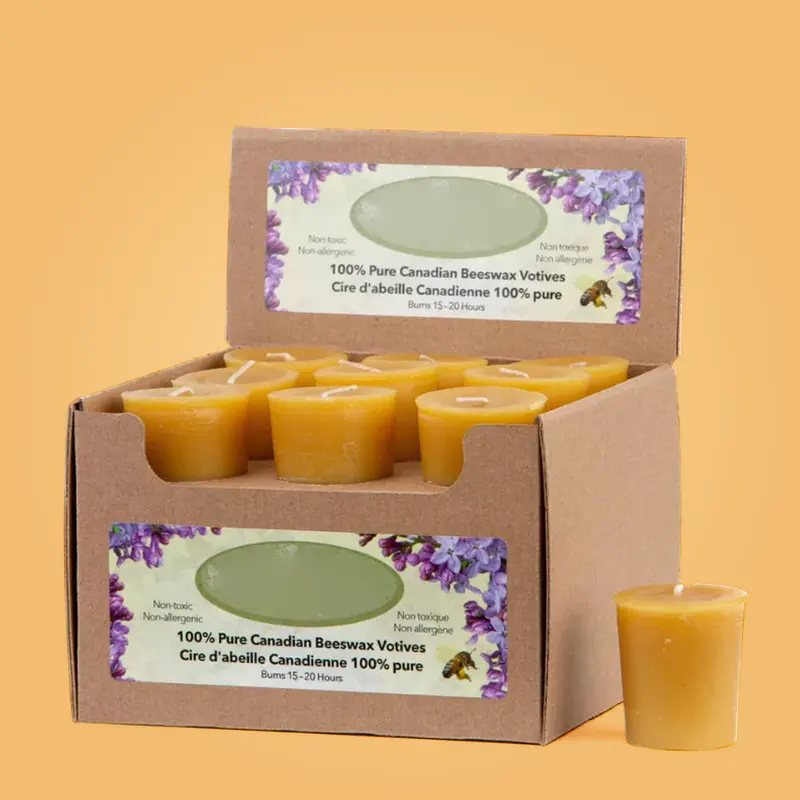 Custom Display Boxes 16
 Shelf-ready cases that open into a display at the point of replenishment.
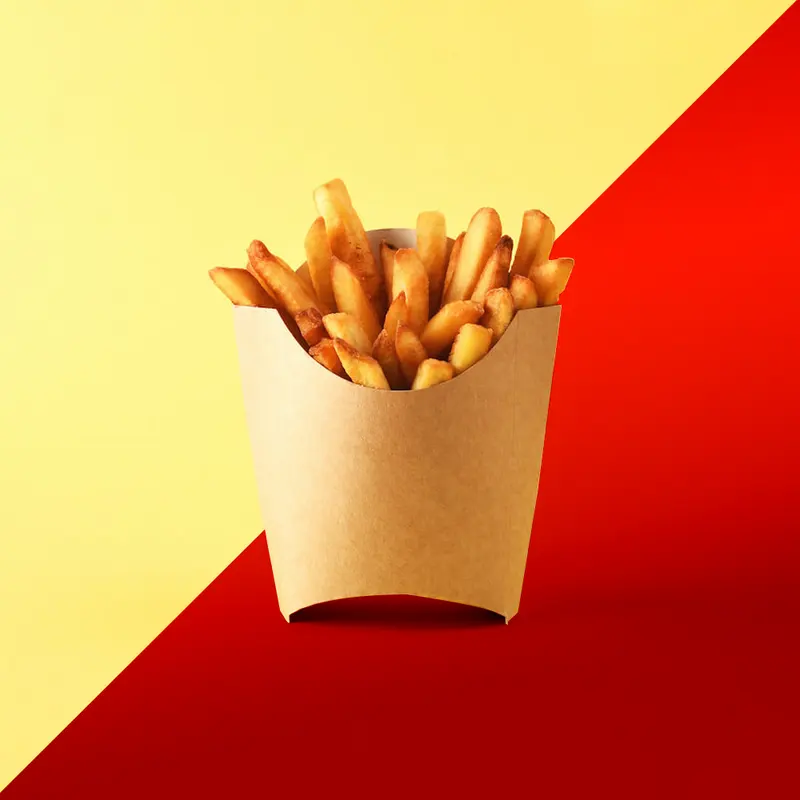 Custom Food Packaging 34
 The state’s largest manufacturing category by volume.
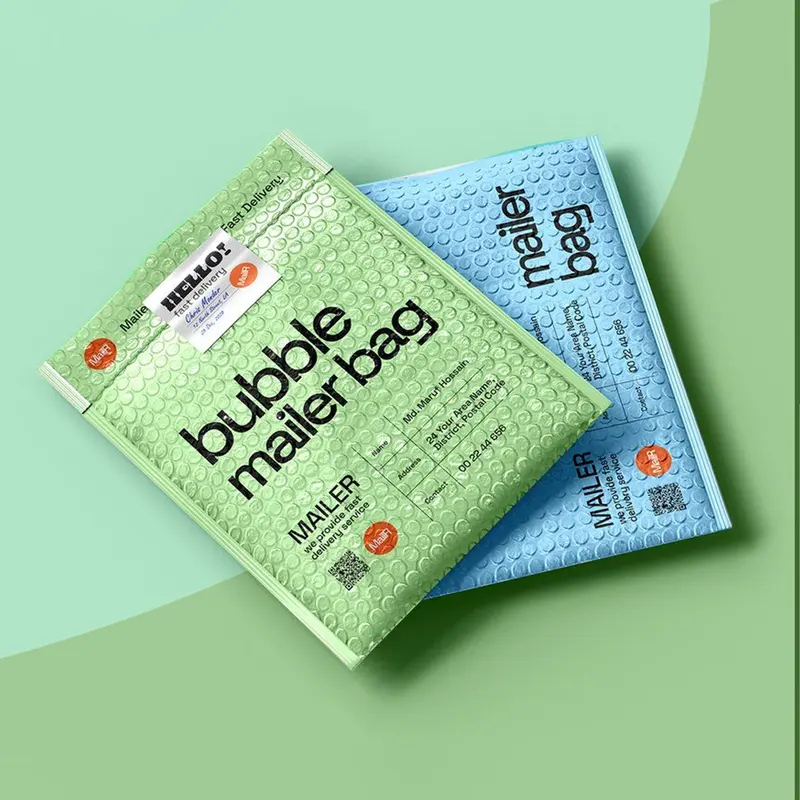 Custom Mailers 32
 For the distribution operations concentrated around the metro area.
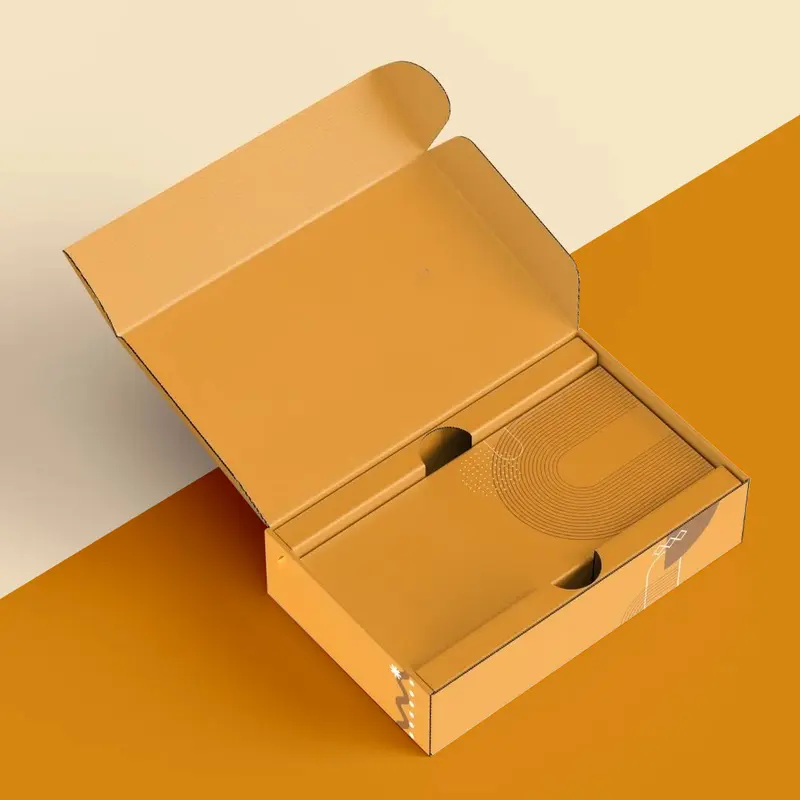 Custom Packaging Inserts 21
 Fitted protection for product moving through a full distribution chain.
The efficient order for an Illinois grocery brief is backwards from how most people approach it. Start with the retailer’s case and planogram constraints, derive the primary pack dimensions from those, and only then design the artwork onto the resulting panels.
Done the other way round, the primary pack usually ends up a few millimetres off a clean case fit, and the cost of that shows up as wasted board on every pallet for the life of the product.
Send the retailer’s case specification alongside your own product dimensions. If you have the planogram, send that too — it answers most of the questions we would otherwise ask.
For repeat grocery lines we hold the agreed specification so reorders reference it rather than being re-derived, which removes the risk of a silent change between runs.
Get a price
Send your retailer’s case specification and your product dimensions. We will design the case and the pack together and price both.
No obligation
Tell us what you are packing, how many you need and where it should land.
Answers
Specification, freight and ordering detail for buyers in Illinois.
Yes. Send the published requirement and we will design the case and the primary pack together so the pallet pattern works out. Retailer specifications are usually non-negotiable, so we treat them as the fixed constraint and design inward from there.
A case that arrives at the store, is opened along a designed perforation, and becomes the display itself without anyone unpacking individual units. It has to survive distribution as a case and look deliberate as a display, which is a genuine structural tension.
Typically 5 to 7 business days after production, which takes 3 to 5 business days from artwork approval. Chicago is among the easiest destinations in the country for palletised freight.
We manufacture through our production partners and ship direct — there is no office or warehouse in Illinois. Everything is made to order and shipped directly to your address.
Yes. Send the current case specification or a physical sample and we will quote to match it exactly, rather than proposing an alternative you would then have to re-clear with the retailer.
It depends on pallet height and how long stock sits in a distribution centre. Tell us the stack height and the contents weight and we will specify a board grade that holds, rather than guessing at a flute.
Yes. Convention work is usually a short digital run against a fixed date. Give us the event date rather than a lead time and we will work backwards to the latest artwork approval that still makes it.
A flat 100 units on any format. For grocery work the minimum is most useful for validating a structure before committing to a full retail rollout.
That is usually dictated by the retailer, and it differs between the primary pack and the case. The critical point is that a barcode crossing a crease or a perforation will fail at the scanner, so placement is a dieline decision made before print.
From $0.30 per piece at large volumes for the primary pack. Cases are priced separately because board grade and stacking requirements drive their cost far more than print does.