Coffee roasting
Bags with valves and barrier layers, frequently changing for single origins, and almost always with a sustainability question attached.
Seattle · Washington
Seattle roasters want packaging that keeps coffee fresh and can be recycled. Those two requirements pull against each other, and pretending otherwise helps nobody.
Coffee dominates the enquiries we get from Seattle, and the second most common subject is recyclability.
Bags with valves and barrier layers, frequently changing for single origins, and almost always with a sustainability question attached.
Small producers needing barrier or moisture protection with the same environmental expectations.
Device packaging where minimal presentation and fitted protection are both expected.
Equipment and apparel packaging expected to be recyclable and unfussy.
Coffee needs protection from oxygen and moisture to hold its character, and the materials that block those effectively are usually multi-layer laminates. Multi-layer structures are difficult to recycle precisely because they are made of different materials bonded together.
Mono-material films have improved considerably and are recyclable through store drop-off in many places, but they generally offer a shorter shelf life than a full laminate. The honest position is that you are choosing a point on a scale rather than getting both ends of it, and the right point depends on how quickly your coffee sells.
The questions that actually decide it.
What each material actually gives you.
| Material | Barrier performance | Recyclability |
|---|---|---|
| Multi-layer laminate | Highest | Not kerbside recyclable |
| Mono-material film | Good, shorter shelf life | Store drop-off in many areas |
| Kraft with liner | Moderate | Depends entirely on the liner |
| Compostable film | Lower, shortest shelf life | Industrial facilities only |
Barrier and recycled formats.
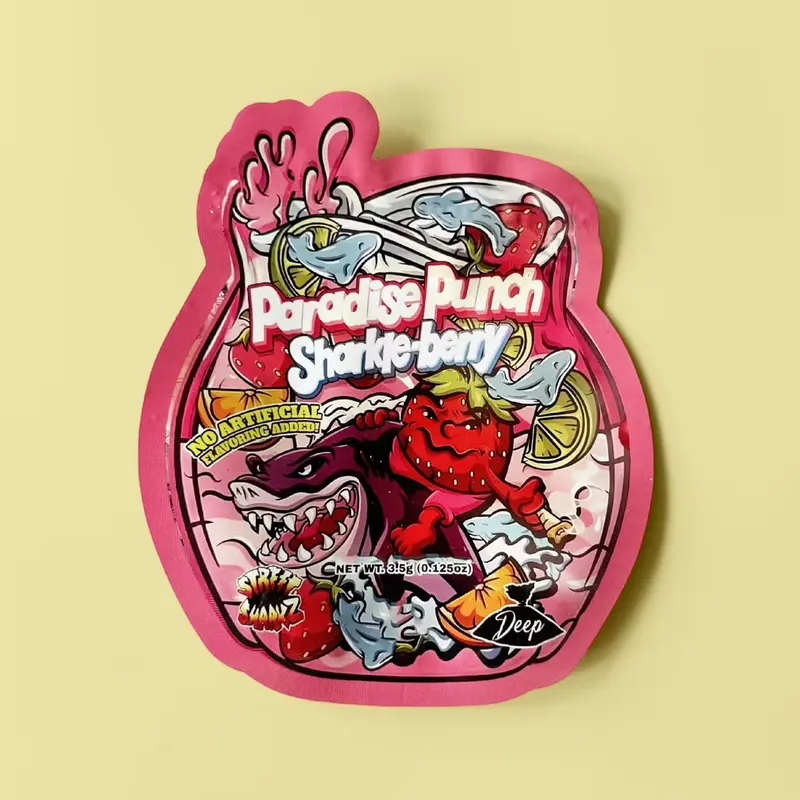 Custom Pouches 27
 The core coffee format, with valve and barrier options.
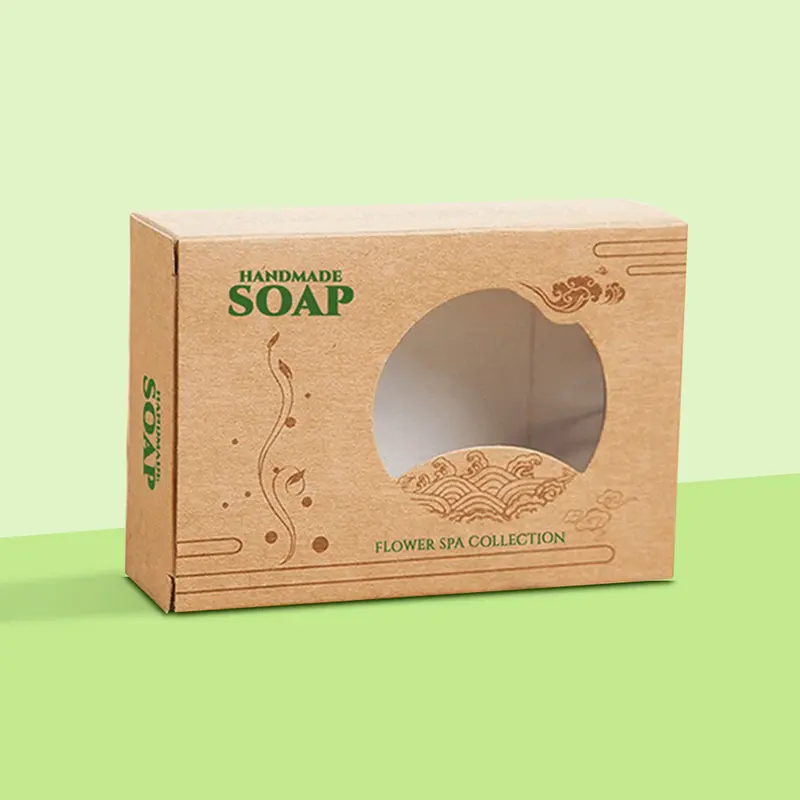 Sustainable Packaging 6
 Recycled and recyclable stocks for secondary packaging.
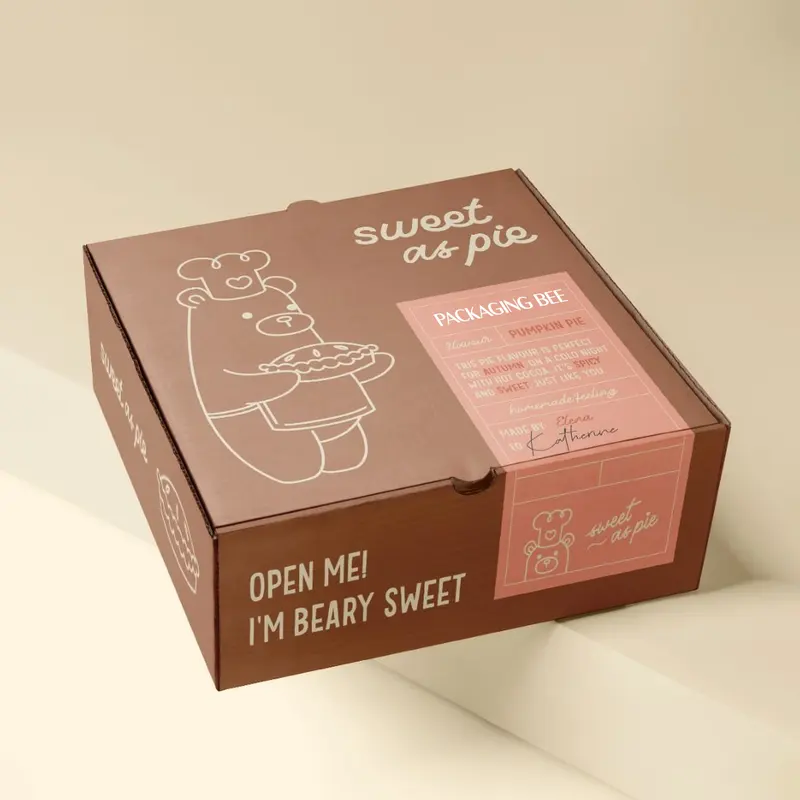 Custom Labels 16
 Single-origin changeovers without reprinting the bag.
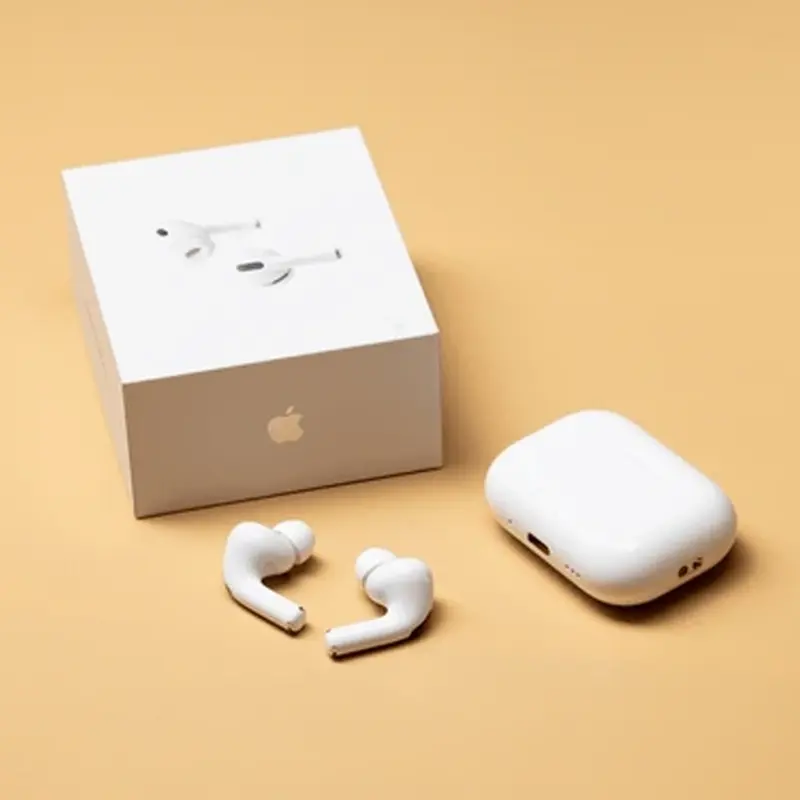 Electronics Packaging 9
 Fitted protection for the hardware sector.
Ground delivery into Seattle typically takes 5 to 7 business days, and the distance means there is less slack in that window than there is on a short eastern run. The metropolitan area takes palletised freight without difficulty.
If your reorder point is set on a national average lead time, it is probably a few days short for Seattle. Worth adjusting rather than discovering during a busy season.
Tell us the time between roast and consumption, and whether you sell whole bean or ground. Those two facts determine how much barrier you genuinely need.
Tell us also which environmental claim you want to print. We will say plainly if the barrier requirement and the claim cannot both be met.
Get a price
Tell us the time from roast to cup and the claim you want to print. We will be straight about what is achievable.
No obligation
Tell us what you are packing, how many you need and where it should land.
Answers
Specification, freight and ordering detail for buyers in Seattle.
Not currently, and it is better to be straight about it. The materials that block oxygen and moisture best are multi-layer laminates, which are hard to recycle for exactly that reason. Mono-material films are recyclable through store drop-off but give a shorter shelf life.
It depends on the specific film and your coffee, but expect a meaningful reduction against a full laminate. If your coffee reaches customers quickly, the difference may not matter commercially at all.
For freshly roasted beans, almost always. Coffee off-gasses CO₂ for days after roasting and a sealed bag without a valve will inflate. It is a standard option.
Yes, considerably. Ground coffee has vastly more surface area and stales much faster, so it needs a better barrier for the same perceived freshness.
We manufacture through our production partners and ship direct — there is no office or warehouse in Seattle. Production runs through our manufacturing partners and ships to your address.
Ground freight is typically 5 to 7 business days after the 3 to 5 business days of production. The distance leaves little slack in that window, so set your reorder point against the top of it rather than the bottom.
Only if your customers can actually compost it, which usually means industrial facilities rather than a home heap. It also gives the shortest shelf life of the options. For many roasters a recyclable film does more real good.
A flat 100 units on any format, which suits single-origin runs well.
Yes. Print a common base bag and apply a variable label per origin. It is much cheaper than a separate print run for each release.
From $0.30 per piece at large volumes. Barrier films and valves both add cost, and we will quote the material options side by side so the trade-off is visible.