Coffee and specialty beverage
Bags, boxes and sleeves where barrier performance protects the product and recycled content carries the brand position. The two requirements have to be reconciled.
Washington · United States
Washington buyers ask about recycled content more than any other state we ship to, and they store stock in a climate that punishes uncoated board. Those two facts sometimes pull in opposite directions.
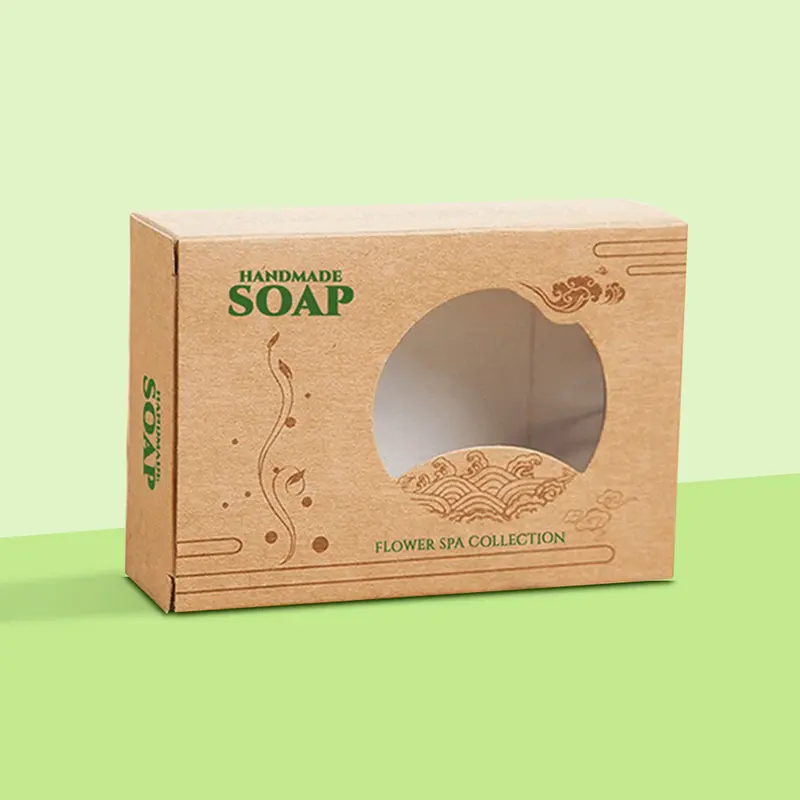
Recycled paperboard has shorter fibres than virgin stock, which makes it slightly less stiff and slightly more absorbent at the same caliper. In a dry warehouse that difference is academic. In the Pacific Northwest, where ambient humidity stays high for much of the year, it becomes visible: a recycled carton stored uncoated through a Seattle winter will feel softer than a virgin one beside it.
That does not mean choosing between recycled content and performance. It means specifying them together — a recycled board with a moisture-resistant coating, or a slightly heavier recycled caliper. Either keeps the environmental claim intact and the pack rigid.
A coffee sector with national reach, technical outdoor goods and a hardware industry account for most enquiries.
Bags, boxes and sleeves where barrier performance protects the product and recycled content carries the brand position. The two requirements have to be reconciled.
Packaging for equipment that customers expect to be minimal and recyclable, but that still has to survive a carrier network.
Device and accessory packaging with fitted inserts, where presentation and protection carry equal weight.
Processing and direct-ship operations needing moisture-resistant and cold-chain-capable formats.
Washington briefs ask for less packaging more often than briefs from anywhere else — no void fill, no plastic window, no unnecessary outer. That is a legitimate goal and usually achievable, but only if the pack is sized precisely to the product.
Reducing material without reducing the gap between product and wall is how damage rates climb. The order of operations matters: size tightly first, then remove what is no longer needed.
Weighted toward recycled and barrier formats.
Sustainable Packaging 6 Where most Washington enquiries start, and where the claims need care.
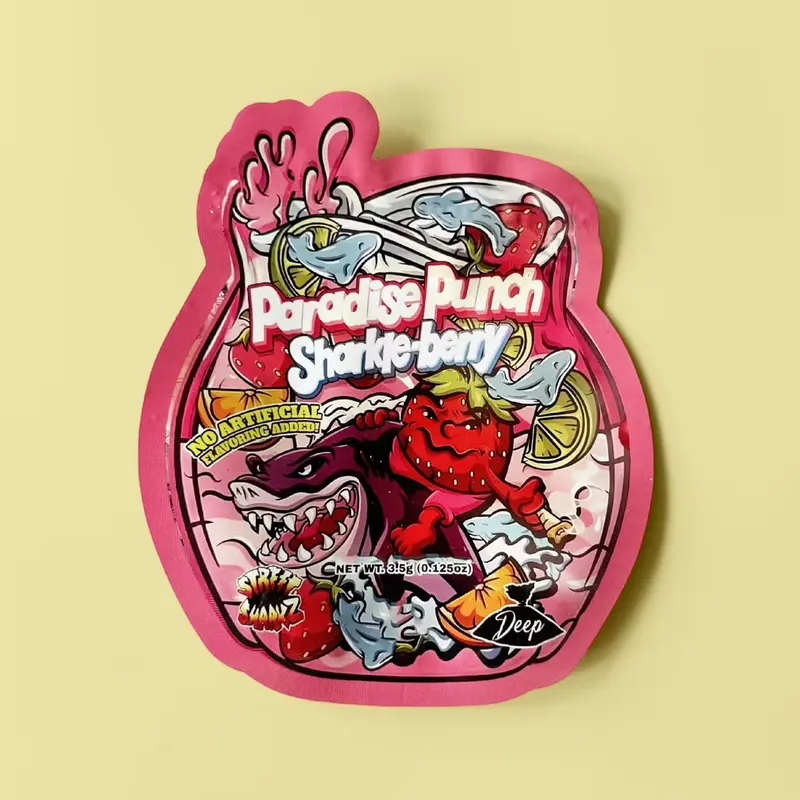 Custom Pouches 27
 Barrier formats for coffee and specialty beverage.
 Electronics Packaging 9
 Fitted protection for the state’s hardware sector.
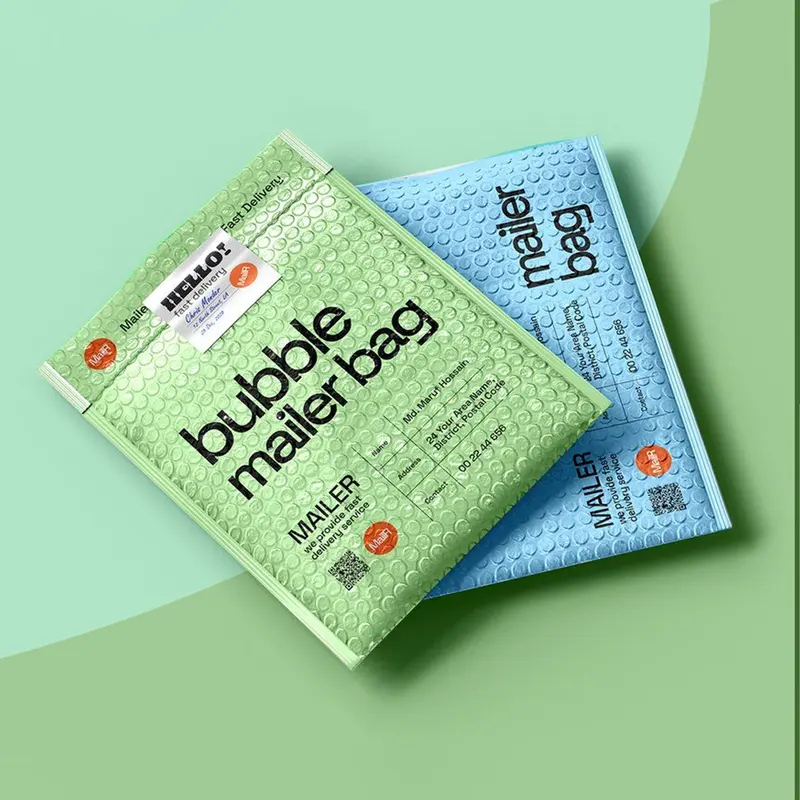 Custom Mailers 32
 Minimal shipping formats for direct-to-consumer brands.
Work through these before committing to a recycled specification.
Ground freight into Washington typically takes 5 to 7 business days, and the distance means the window has little slack in it. Seattle and Tacoma both take palletised deliveries without difficulty.
The extra transit time is worth planning for rather than working around. If your reorder point is calculated on a national average lead time, it is probably a few days short for Washington.
Tell us the environmental claim you want to make, because it constrains the material set before anything else does. We will say plainly if a claim is not supportable at your price point rather than letting it through.
Send product dimensions rather than current box dimensions, especially if the brief is to reduce material.
Get a price
Tell us the environmental claim you want to make and how the stock will be stored. We will specify a material that supports both.
No obligation
Tell us what you are packing, how many you need and where it should land.
Answers
Specification, freight and ordering detail for buyers in Washington.
Slightly, at the same caliper. Recycled fibres are shorter, so the board is marginally less stiff and takes on moisture a little faster. In the Pacific Northwest that becomes noticeable over a winter of uncoated storage. A coating or a heavier caliper resolves it.
Not necessarily. An aqueous coating generally keeps paper recyclable through kerbside collection; a plastic film laminate usually does not. If recyclability is the claim you intend to print, tell us and we will stay on the aqueous side.
Yes, and it works best when the pack is sized tightly to the product first. Removing material from an oversized box raises damage rates. Reduce the gap, then reduce the material.
We manufacture through our production partners and ship direct — there is no office or warehouse in Washington. Production runs through our manufacturing partners and ships to your address.
Ground freight is typically 5 to 7 business days after the 3 to 5 business days of production. There is little slack in that window at this distance, so build your reorder point against the top of it.
Yes. Coffee needs an oxygen and moisture barrier to hold freshness, which constrains the material set considerably. We will be straightforward about where a barrier requirement and a recyclability claim conflict.
A flat 100 units on any format. That is enough to run a recycled specification through a wet season as a storage test before committing.
We can state the recycled content of the board we supply and provide the mill documentation behind it. We do not issue certifications ourselves, and we would rather give you the underlying evidence than a claim you cannot substantiate.
Only if your customers can actually compost it. Certified compostable stock generally needs industrial facilities, which are not universally available. If kerbside recycling is the realistic route for your buyers, a recyclable stock does more good.
Recycled paperboard is usually within a few percent of conventional. Certified compostable runs materially higher. Prices start from $0.30 per piece at large volumes and we quote each option so you can see the real difference.