Min. 100 units · 3–5 days
Sushi Boxes
Custom Food Packaging
Specify thisCustom Food Trays
Bespoke sushi Trays manufactured to order, with material and finish chosen around how the product ships.
No obligation
Name, email, phone and what you are packing and the volumes you run. Attach artwork if you have it. We reply with a specification and a written price, usually within one business day.
Depth matched to piece height stops movement. This is the one tray format where too deep is worse than too shallow.
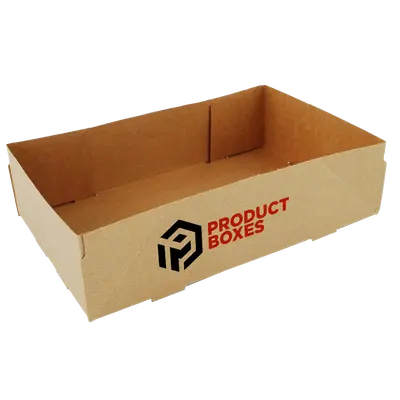
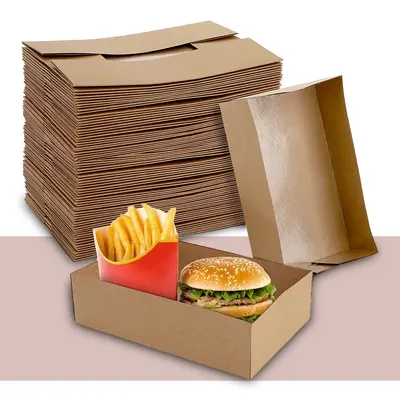
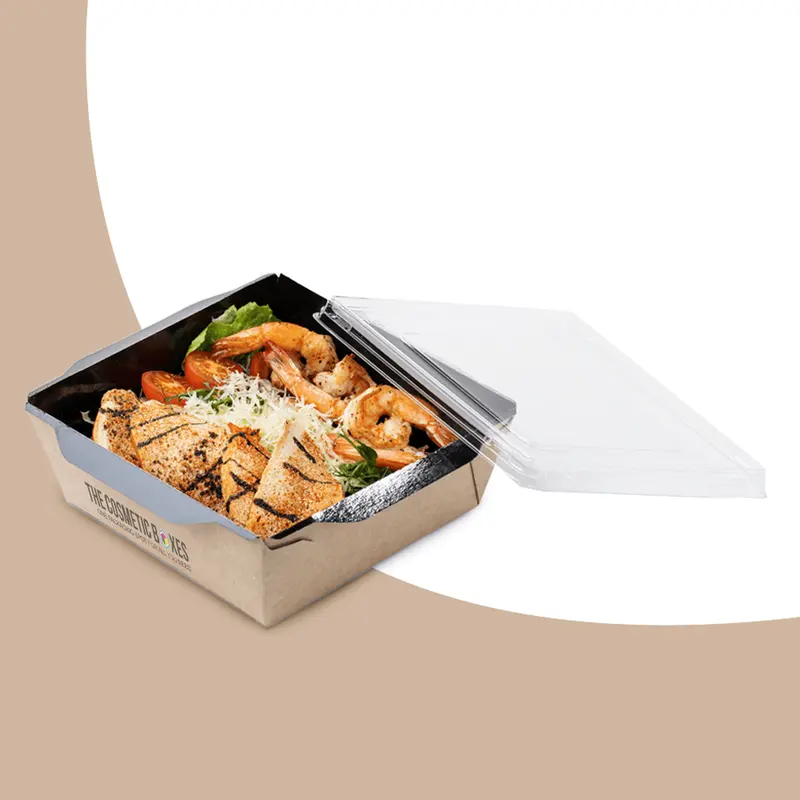
Sushi Trays are die-cut and folded from grease-resistant board into an open-top tray, with locking corners that hold the shape under warm food.
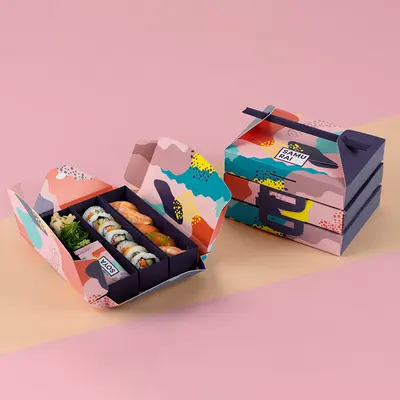
Sushi Trays hold a precise arrangement viewed through a lid before it is bought. That is the starting point for the specification, because depth matched to piece height stops movement. This is the one tray format where too deep is worse than too shallow.
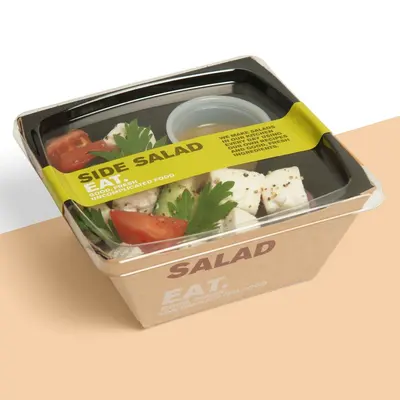
In service they are used for chilled retail display, judged entirely through the lid at the point of purchase.
Sushi Trays are specified for chilled retail display, judged entirely through the lid at the point of purchase. Depth matched to piece height stops movement. This is the one tray format where too deep is worse than too shallow.
Depth matched exactly to piece height. This is the one tray format where too deep is worse than too shallow.
The options we would consider for this format are below; depth matched to piece height stops movement. This is the one tray format where too deep is worse than too shallow.
The tray is deeper than the pieces and they slide, so the arrangement is disturbed before the customer sees it.
Depth matched to piece height stops movement. This is the one tray format where too deep is worse than too shallow.
Shallow rectangles, commonly 8 × 5 × 1¾ in, with the depth matched to piece height.
Send the contents rather than a box size. A standard tray is bought and the pieces are made to fit it, when the tray should be sized to the pieces.
The tray is deeper than the pieces and they slide, so the arrangement is disturbed before the customer sees it.
Paperboard also absorbs moisture from the air until it equalises with its surroundings. If stock sits more than about six weeks in unconditioned space, a moisture-resistant coating is worth its small premium.
A black or dark tray makes the food read; light trays wash it out under retail chiller lighting.
Each finish below is a separate pass on the press or the finishing line, which is why they are quoted individually rather than bundled.
Ask for an unprinted sample if the question is fit, or a printed prototype if the question is colour. They answer different things.
Sample costs are normally credited against the production order.
Send the product dimensions, the quantity and your deadline. What comes back is a board grade, a structure, a print method, a lead time and a written price — not a number on its own.
You approve the quote, we send the dieline, prepress proofs it, and production follows. The proof stage is where changes are still free.
Reference
| Product | Sushi Trays |
|---|---|
| Category | Custom Food Trays |
| Construction | Die-cut with locking corners |
| Barrier | Grease-resistant coating |
| Ships as | Flat or pre-formed and nested |
| Materials | Grease-resistant SBS board, Kraft board with grease barrier, Corrugated E-flute, Clay-coated news back |
| Printing | Offset lithography, Flexography, Digital press |
| Finishes | Grease-resistant coating, Matte finish, Uncoated kraft |
| Minimum order | Minimum order is 100 units on any format, and unit cost falls sharply as the quantity rises. |
| Lead time | 3 to 5 business days after artwork approval |
| Shipping | Across the US, UK, Canada and Australia |
Specification builder
Set what you know, leave the rest. Everything here travels with your request, so nothing gets retyped.
Drag to rotate
What you get
Shallow rectangles, commonly 8 × 5 × 1¾ in, with the depth matched to piece height.
The tray is deeper than the pieces and they slide, so the arrangement is disturbed before the customer sees it.
Specified for chilled retail display, judged entirely through the lid at the point of purchase.
Depth matched to piece height stops movement. This is the one tray format where too deep is worse than too shallow.
This format sits in our custom food trays range, alongside 11 other made-to-order formats.
Answers
Specification, minimums and lead times for sushi trays.
We specify food-contact compliant boards and inks where the pack touches food directly. Tell us whether contact is direct or through a liner for sushi trays, because it changes which stocks are available to you.
A grease-resistant coating or a greaseproof liner. Untreated board will always strike through eventually with hot, oily food — that is a property of the material rather than a quality fault, and it is inexpensive to design out.
That depends on board grade, contents weight and how long the stack stands. Send us the stack height and the weight above the bottom unit and we will specify to it rather than guessing at a grade.
With the right board and coating. Moisture from hot food softens an under-specified tray faster than grease does, so we usually recommend both a heavier caliper and a grease-resistant coating for hot service.
Yes. We can send a plain unprinted sample so you can check the fit and structure, or a printed prototype for colour and finish. Sample costs are normally credited against the production order. Worth running a few through your actual line rather than checking them by hand: fill speed and hot contents find fit problems that a desk check does not.
Send the current specification or a physical sample and we will quote to match it rather than proposing an alternative you would then have to re-approve internally. Tell us the coating on the pack you are matching too. Grease and moisture resistance are not visible in a sample and they change which stocks we can quote.
All 50 US states, the United Kingdom, Canada and Australia, on the same timeline everywhere: 3 to 5 business days of production after artwork approval, then 5 to 7 business days in transit. Every run is made to order and shipped directly to your address rather than pulled from stock, so you receive current production rather than whatever has been sitting in a warehouse. Freight is costed separately by weight, volume and destination. If stock is going into a kitchen or a service counter rather than a warehouse, tell us — case sizes that a single person can lift and store matter more there than pallet efficiency.
Every run is cut to your dimensions — there are no stock sizes here. Send the product measurements rather than a box size and we will build the food tray around them, then send a dieline template you can design onto.
We issue a dieline template sized to your product, prepress checks your artwork against it, and a proof comes back for sign-off. Nothing runs until you approve that proof, and food trays then take 3 to 5 business days.
Yes. Once a first run is approved we hold the board, structure, dimensions, print method and finishes against your account, so a reorder references the same specification exactly rather than being re-derived. The board and coating are held together, so a reorder cannot quietly arrive on a stock with different grease resistance.
Recycled grades are available across most of the substrates we run for food trays. Recycled content, kerbside recyclability and certified compostability are three different claims though, so tell us which one you intend to print.
A print-ready PDF or a vector file, with fonts outlined and any raster images at 300 dpi at final size. We supply the dieline to design onto, and prepress checks bleed, safe area and crease clearance before issuing a proof. The dieline we supply carries the crease positions, so keeping type clear of a crease is easier to solve at layout than at proof.
Related formats
Next step
Send the fill size and the volumes you run. We reply with a full specification and a written price, usually within one business day.