Restaurants and delivery
Cartons and trays that must stack in a courier bag, resist grease and stay closed when carried at an angle.
Chicago · Illinois
A Chicago restaurant pack has to survive a courier bag, a flight of stairs and a Chicago winter between the kitchen and the table. Most packaging failures here happen in that last mile.
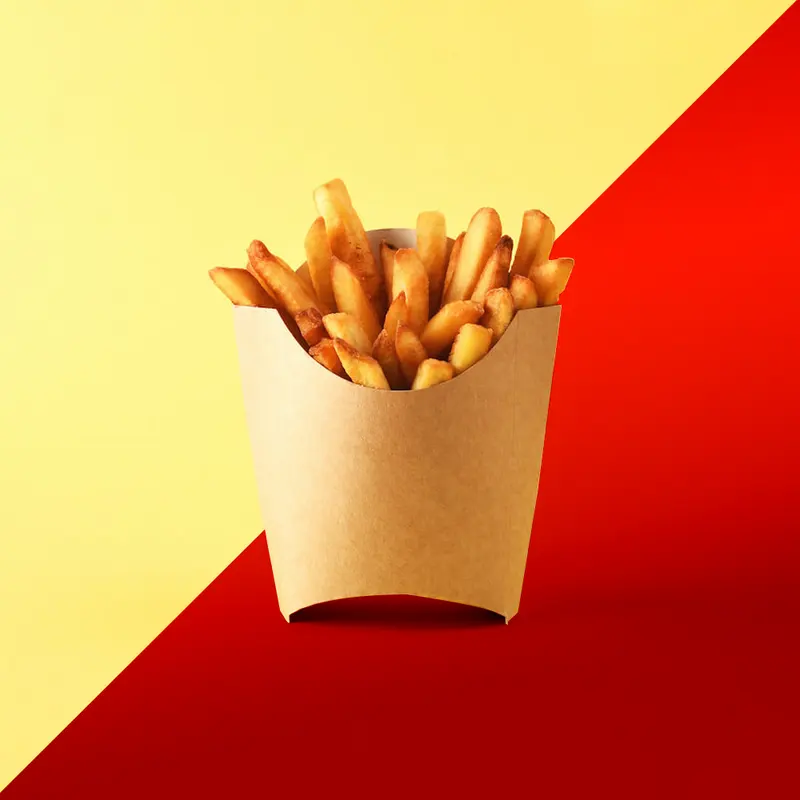
Chicago’s restaurant density is matched by its delivery volume, and delivery is where packaging is genuinely tested.
Cartons and trays that must stack in a courier bag, resist grease and stay closed when carried at an angle.
Presentation boxes with windows and inserts, where the product has to arrive looking as it left.
Carriers and sleeves for takeaway service, needing condensation resistance as standard.
Retail formats that also need to survive a distribution chain, since many sell wholesale too.
Kitchen-to-counter is easy. Counter-to-table via a courier bag is not. Packs are stacked at angles, carried in insulated bags that trap steam, set down hard, and opened by someone who is already disappointed if anything has shifted.
The three failures we are asked to solve are almost always the same: grease striking through to the outside, a closure that opens under weight, and condensation from trapped steam softening the board. Each has a straightforward answer, but they need specifying rather than assuming.
What actually goes wrong between the kitchen and the customer.
| Failure | Cause | Specification that fixes it |
|---|---|---|
| Grease strike-through | Untreated board against hot food | Grease-resistant coating or greaseproof liner |
| Lid opening in transit | Closure sized for a flat surface | Locking tab or tuck designed for angled carriage |
| Soggy base | Trapped steam condensing inside | Vented structure or moisture-resistant board |
| Crushing in a stack | Board too light for the load above | Heavier caliper on the base and walls |
Worth doing before committing to a full run.
Built for the last mile.
Custom Food Packaging 34 Takeaway cartons and containers specified for delivery rather than counter service.
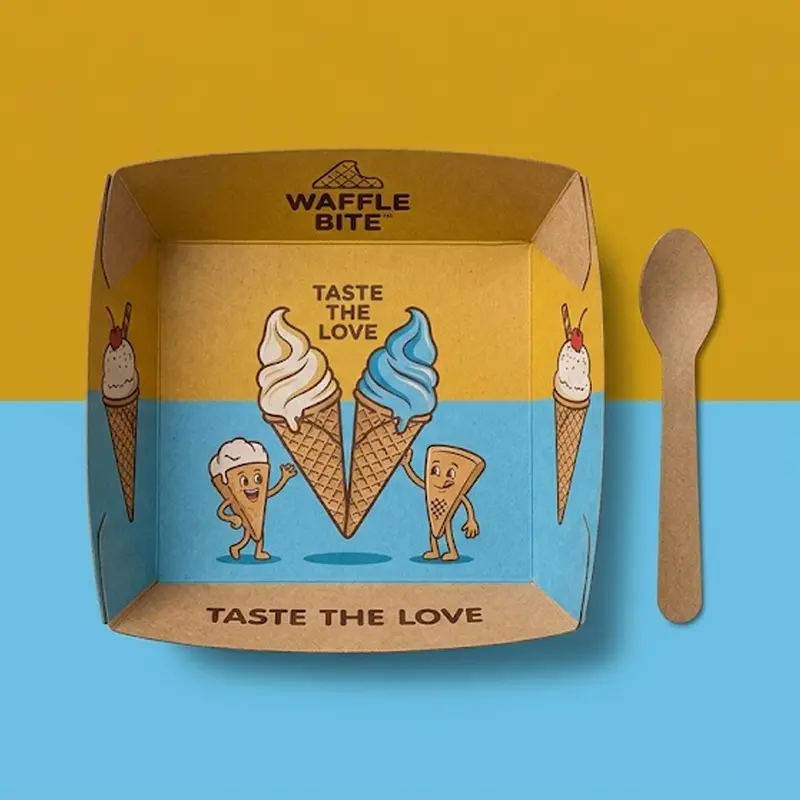 Custom Food Trays 12
 For heavy and hot contents that punish a light board.
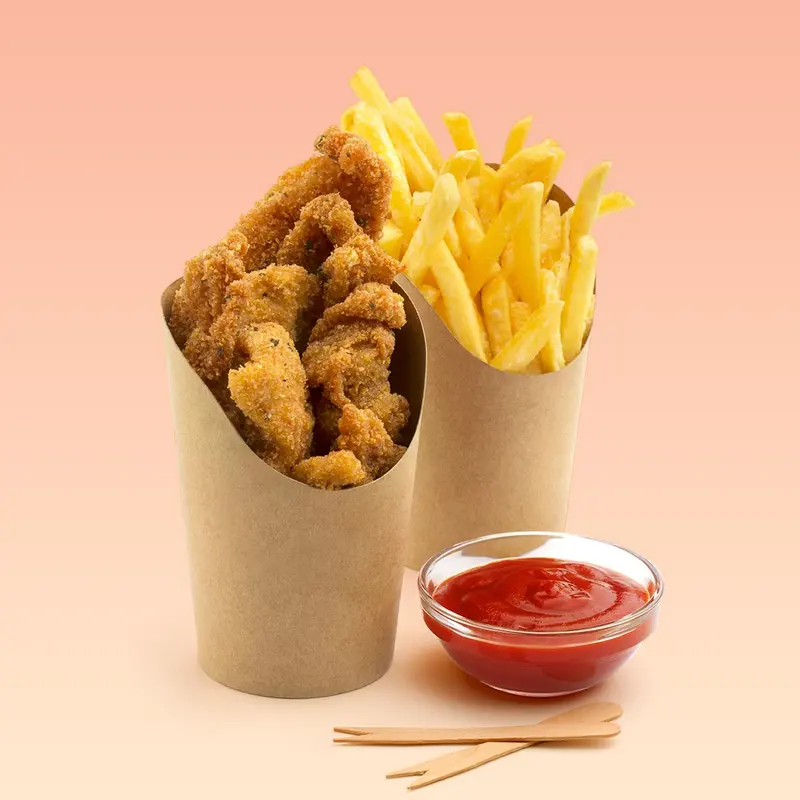 Custom Printed Cups 22
 Hot and cold drinks, including condensation-resistant builds.
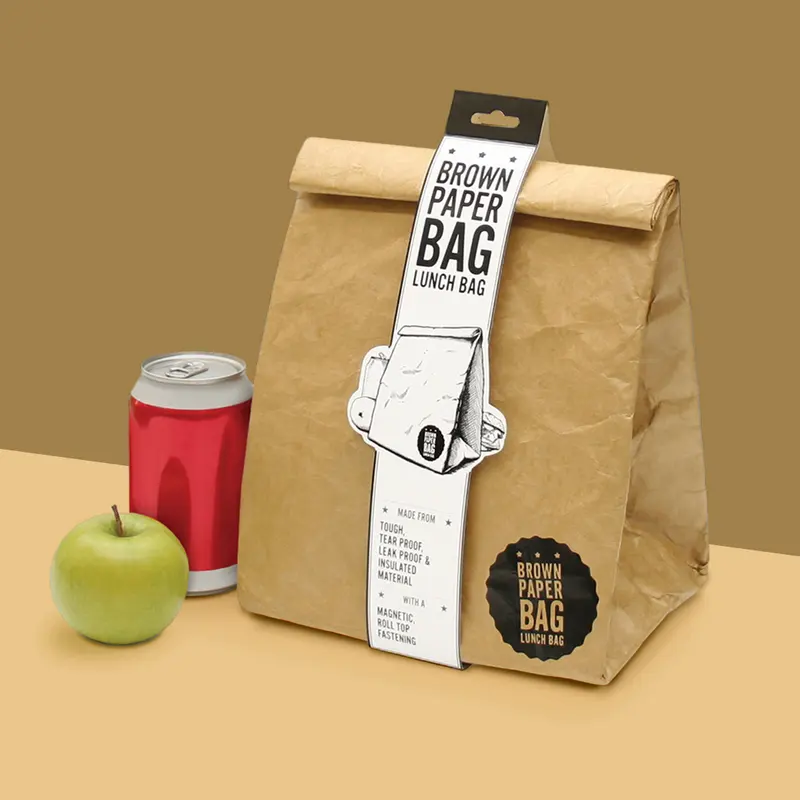 Custom Bags 27
 Carry-out bags strong enough for a full order at an angle.
Ground freight reaches Chicago in 5 to 7 business days, and the city is one of the easiest destinations in the country for palletised consignments.
Kitchen storage is the real constraint. Restaurants rarely have room for a pallet of packaging, so we frequently split a run into scheduled drops. Tell us your storage capacity and delivery frequency and we will schedule around it.
Tell us the hottest and greasiest thing that will go in it, and whether it travels by courier. Those two facts decide most of the specification.
If you run seasonal menus, keep one structure and vary the print. It costs far less than tooling a new pack each time the menu changes.
Get a price
Tell us the hottest, greasiest thing on your menu and how it travels. We will specify the board, coating and closure around it.
No obligation
Tell us what you are packing, how many you need and where it should land.
Answers
Specification, freight and ordering detail for buyers in Chicago.
Specify a grease-resistant coating or a greaseproof liner. Untreated board will always strike through eventually with hot, oily food — it is a material property rather than a quality issue, and it is inexpensive to design out.
A closure designed for angled carriage rather than a flat counter. Locking tabs and deeper tucks both hold under weight. It is a structural change, so it needs to happen at dieline stage.
Trapped steam condensing on the inside. A vented structure lets it escape; a moisture-resistant board stops the base softening. Which one is right depends on whether venting would let the food go cold.
We manufacture through our production partners and ship direct — there is no office or warehouse in Chicago. Production runs through our manufacturing partners and ships directly to your address.
Yes, and it is common for restaurant work. We produce the run and schedule drops against your storage capacity rather than sending everything at once.
Production is 3 to 5 business days after artwork approval, then 5 to 7 days freight. Chicago is one of the easiest destinations to schedule into, because carrier capacity into the city is rarely the constraint.
A flat 100 units on any format, which is enough to test a pack through real deliveries before committing to a season’s supply.
Yes, and it is much cheaper than a new structure. Keep the same box and change the printed artwork, or use a plain base with a printed sleeve for very frequent changes.
Yes. Tell us whether the food touches the board directly or sits on a liner, because it changes which stocks are available to you.
From $0.30 per piece at large volumes. Grease-resistant coatings add a small amount; heavier board for hot, heavy contents adds more. Both are cheaper than a remade order.